


The Parlor Palm has been a Victorian-era favorite for its elegance, tolerance of low light, and easy-care nature. Its feathery, arching fronds bring a tropical feel to dim corners, making it ideal for beginners and low-light homes.
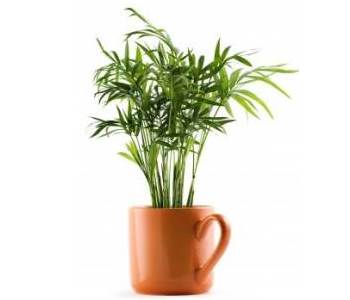
Thrives in low to medium indirect light. Avoid direct sun. Perfect for north-facing windows or interior rooms.
65–80°F (18–27°C) ideal. Minimum 50°F (10°C) at night.
Water when top inch of soil feels dry. Overwatering is the #1 killer. Reduce significantly in winter. Ensure excellent drainage.
Average home humidity is fine. Mist occasionally in dry winter air.
Any well-draining potting mix (soil or soilless).
Feed every 2 weeks spring through fall with diluted liquid fertilizer.
Only when root-bound (every 2–3 years). Palms dislike disturbance. Use a heavy pot to prevent tipping.
By seed (commercial growers). Home propagation is impractical.
Areca Palm Height Potential: Species Verification for Shade Planning
Can You Plant a Corn Plant and Parlor Palm Together? Better: Separate Pots in One Cachepot
Kentia Palm Stagnant Growth: Light, Water, Sand Amendment
Lady Palm (Rhapis excelsa): Elegant, Slow-Growing, and Perfect for Tight Spaces
Ponytail Palm: Growing the Elephant Foot Palm as a Long-Lived Houseplant
Parlor Palm (Chamaedorea elegans): The Classic Victorian Houseplant
Areca Palm (Dypsis lutescens) – Air-Purifying, Pet-Safe Indoor Palm
Peony Root Rot: Black Leaves on Newly Planted Peony
Choosing a Poolside Palm for Southern California: Non-Invasive, Low-Mess, Small Scale
Ionopsis & Psygmorchis pusilla: Twig Epiphytes—Challenging but Rewarding
Choosing a Reliable Indoor Palm for Bright Light
Lady Palm Placement: Avoid Direct Sun, Watch for Spider Mites
Copyright © www.100flowers.win Botanic Garden All Rights Reserved