


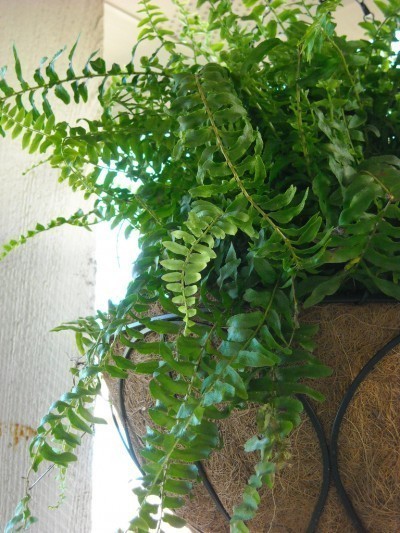
Medium light—bright but not directly sunny, typical of east windows, west windows with sheer curtains, or a few feet back from a south window—is the sweet spot for the widest range of houseplants. These adaptable species tolerate some direct morning or late-afternoon sun but prefer filtered or reflected light for most of the day.
Classic rosette of fuzzy leaves with nearly continuous blooms in pink, purple, blue, or white. Warm temperatures (65–75°F / 18–24°C), high humidity, evenly moist soil—water from below to avoid leaf spots. Feed with dilute fertilizer at every watering. Sensitive to cold drafts and water on foliage.
All prefer average warmth, evenly moist soil, light regular feeding. Tuberous and Rieger types are often treated as seasonal; cane and rhizomatous types are long-lived.
Bold, apple-green, strap-like fronds up to 3 ft long forming a central rosette—excellent for bathrooms. Needs high humidity, average warmth, consistently moist soil. Slow but steady grower.
Iconic feathery, arching fronds. 'Dallas' is more compact; 'Fluffy Ruffles' has frilly edges. Even moisture, average temperatures, high humidity. Sheds leaflets if allowed to dry out.
Segmented stems; tubular flowers in pink, red, white, or orange (bloom timing varies: Thanksgiving, Christmas, Easter). Average to warm temps; let soil dry between waterings; reduce water in winter. Cool nights (50–55°F / 10–13°C) in fall trigger buds.
Leathery leaves painted in orange, yellow, red, and green. Medium to warm temps, high humidity. Color strongest in bright light; leaves drop if too dark or too dry.
Large, white-and-green variegated leaves on cane-like stems up to 3 ft. Average temps, medium-high humidity. Let soil surface dry between waterings. Sap is irritating—keep away from pets/children.
Textured, quilted leaves with deep bronze veins. Fast-growing, bushy with pinching. Cool to warm temps, high humidity. Dry between waterings.
Easiest orchid for home growers. Arching spray of long-lasting flowers (up to 18 months per spike). Warm days, cool nights. Water thoroughly, then let drain completely—never sit in water. Monthly orchid fertilizer year-round.
Medium light gives you the largest plant palette with the fewest compromises—ideal for building a diverse, thriving collection.
Aloe Vera Indoor Care: Light Supplementation and Watering Correction
“No-Water” Plants: The Truth About Air Plants
Exotic Low-Light Houseplants: ZZ Plant and Snake Plant
Identifying Jack-in-the-Pulpit: A Connecticut Woodland Find
Corn Plant Blooms After 11 Years: Why Now?
Indoor Garden Supplies: Tools & Gadgets for Easier Plant Care
Lighting for Indoor Plants: Find the Perfect Spot (or Supplement)
Identifying Plants in a New Garden: Low-Cost Strategies
Lowe's "Plant Light" for Carnivorous Plants: Is 1600 Lumens Enough?
Mounting High-Output Fluorescent Lights for Nepenthes: Vertical Hanging and Glare Control
Reviving a Declining Schefflera After a Move
Best Low-Light Desk Plants Under 2 Feet
Copyright © www.100flowers.win Botanic Garden All Rights Reserved