


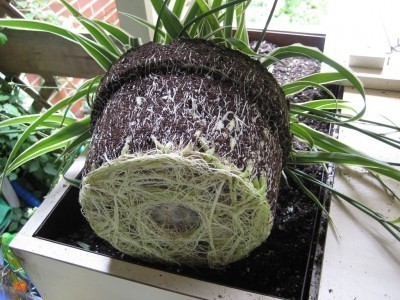
Repotting keeps houseplants healthy by refreshing soil and giving roots room to grow. Whether moving to a larger pot or top-dressing a mature plant, proper technique ensures a smooth transition.
For large, unrepottable plants: top-dress by removing top 1–1.5 inches of old compost and replacing with fresh, avoiding root damage.
Repot annually for young plants, every 2–3 years for mature ones. Your plants will reward you with vigorous growth.
Managing Multiple Phalaenopsis Keikis: Staking, Potting, and Patience
Stabilizing a Large Norfolk Pine Without Repotting
How to Choose the Perfect Houseplant for Your Space & Lifestyle
Rotating Houseplants: Preventing Lopsided Growth for Healthier Plants
Hardening Off Houseplants: Moving Plants Outdoors for Summer
Growing New Houseplants from Plantlets: Offsets, Spiderettes & Suckers
Repotting Root-Bound Miniature Cactus: Timing and Technique
Emergency Repotting: Saving a Phalaenopsis from Root Rot in a Cache Pot
ZZ Plant: Don't Divide – Prune Instead
Why You Shouldn't Plant Directly in a Brass Pot
Straightening a Leaning Ficus benjamina Without Repotting
Snake Plant (Sansevieria) Repotting: Timing, Mix, and Fungus Gnat Larvae
Cleaning Houseplants: Methods for Healthier, More Attractive Foliage
Copyright © www.100flowers.win Botanic Garden All Rights Reserved