


Botanical Name: Peperomia caperata


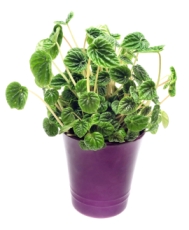
A Piperaceae family member, this compact plant has short stems covered in heart-shaped, deeply ridged leaves—green with a reddish blush and dark green veins. Slender flower spikes resembling rat's tails appear in summer/fall.
Peperomia is easy to grow and usually trouble-free.
How to Flush Salts: Pour plenty of room-temperature water through soil, letting it drain for several minutes. Repeat. Empty drainage tray.
Textured leaves and low mounding habit make it ideal for dish gardens and terrariums.
Controlling Moss in Shady, Damp Flower Beds: Iron-Based Products or Diluted Bleach Spot Treatments
Soil Erosion Control: Four Factors and Practical Fixes
Container Watering Made Simple: No Gadgets Needed
Yellow Crusty Soil in Indoor Pots: Salt Buildup Diagnosis and Leaching Fix
Watering Your Garden: Best Practices for Healthy Plants
Sprinkling: Pros, Cons, and Measuring Delivery
Understanding Soil Drainage: Why Slopes Don't Guarantee Healthy Roots
Gardening in Oily Sand: Improving Water Penetration
Why Sandy Soil Repels Water and How to Fix It
Eliminating Odor from Indoor Potted Plants
Toadstools and White Spores in Garden Border
Fixing Soil That Won’t Absorb Water in Northern Nevada
White Crust on Potted Citrus: Salt or Mold?
Severely Underwatered Cactus: Shot Glass Every 2 Months Is Starvation
Copyright © www.100flowers.win Botanic Garden All Rights Reserved