


Plants belong indoors as much as out. Winter confinement or no outdoor space? Bring the garden in. Apply outdoor plant design principles—thoughtful placement, form, texture, color, proportion—to create invigorating indoor landscapes, whether a windowsill or light-filled room.
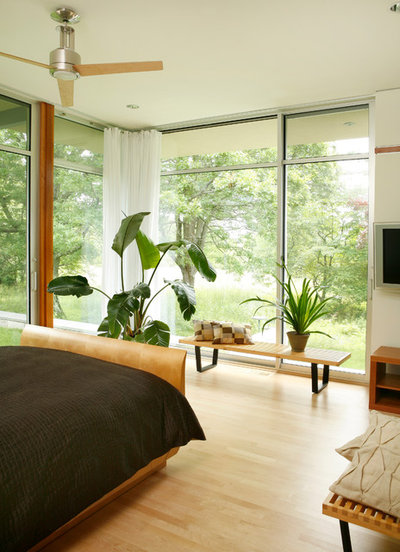
Lasley Brahaney Architecture + Construction: 1. Proportion: Scale matters. Assess room size before nursery trip. Plant must fit room and placement. Oversized overwhelms; tiny gets lost. Bird-of-paradise here suits high ceiling/large windows.
Tip: Relate to outdoor plants visible through windows for cohesive indoor-outdoor connection.
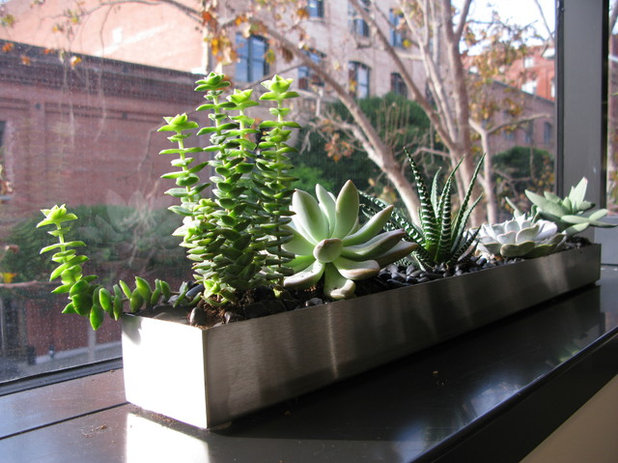
Hey Nice Garden: Windowsill garden = single narrow planter with several small plants (succulents) or row of small pots at varying heights.
Tip: Use planter catching drainage to protect windowsill.
Garden Design Essentials: Proportion and Scale
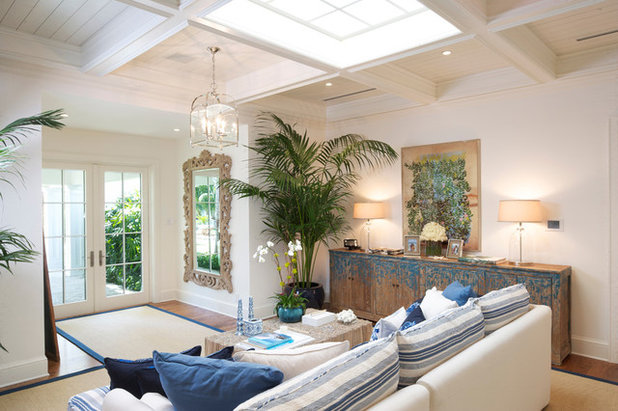
Bon Vivant: 2. Form: 3D plant shape. Consider shape filling space: weeping, columnar, round, pyramidal, vase-shaped.
Tip: Consider ceiling plane a plant creates. Vase-shaped palm arching over corner sideboard.
Garden Design Essentials: Shape and Mass
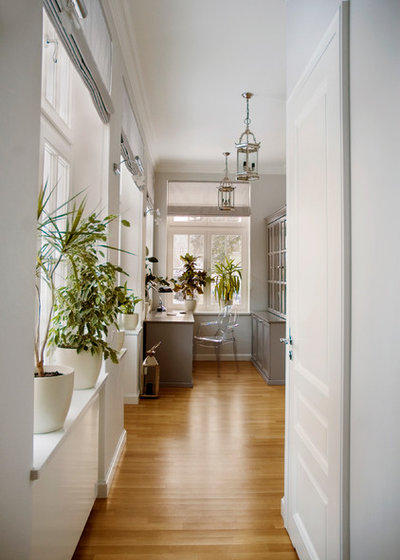
maja_krajewska: 3. Texture: Surface coarseness/fineness. Strappy, fuzzy, spiky, bold—contrast and interest. Long window panel? Mix foliage textures for interesting passage.
Tip: Same-color pots highlight different foliage types.
Garden Design Essentials: Texture
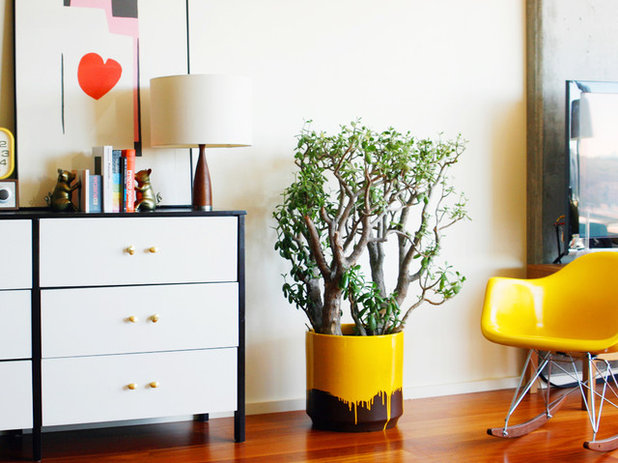
Dabito: 4. Color: Conspicuous landscape element. Unites or chaos. Same for indoor plants/vessels. Bold shade echoing room color (mustard pot echoing chair).
Garden Design Essentials: Color
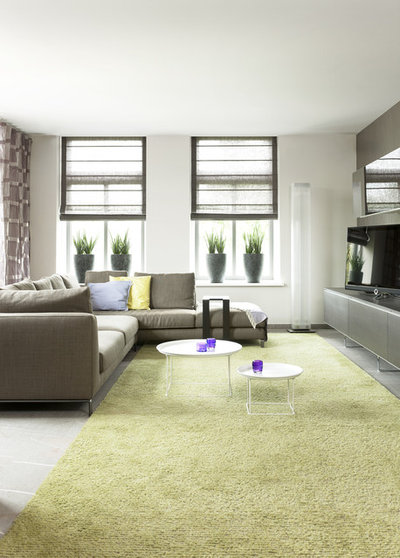
HUISSTYLING: 5. Repetition: Repeated elements for pattern/sequence. Dictated by aesthetic. Modern? Row of identical plants on windowsill for clean look.
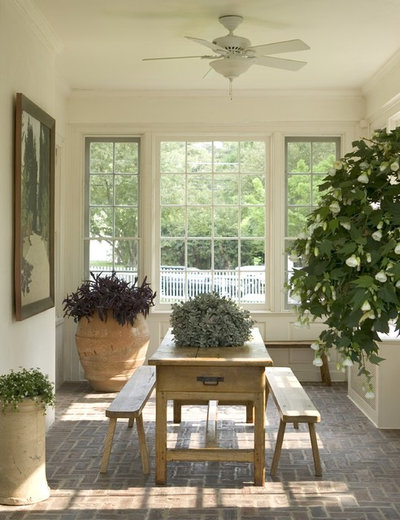
Dennison and Dampier Interior Design: Not same plant? Similar form (round) varying sizes/textures = less obvious but pleasing.
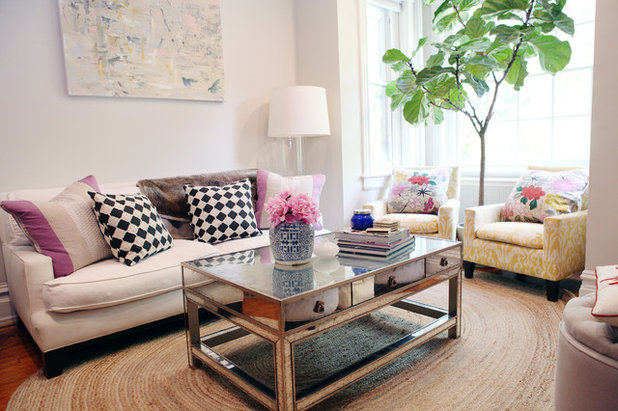
6. Focal point: Plant demanding attention. Cozy corner with two chairs? Large specimen (fiddle leaf fig Ficus lyrata) draws eye.
Tip: Large indoor trees need lots of natural light. Near south-facing window if possible.
Garden Design Essentials: Emphasis and Focal Points
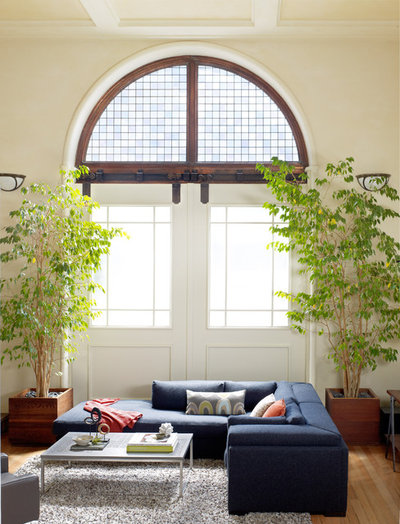
Kristina Wolf Design: 7. Balance: Equal plant mass visual weight each side of centerline. Doors/windows = symmetrical opportunity. Identical plants flank doorway = frame + outdoor link. Asymmetrical can be balanced: various sizes each side, similar total mass/visual weight.
Tip: Size/shape matter. Grand entry accommodates large plants.
Garden Design Essentials: Balance
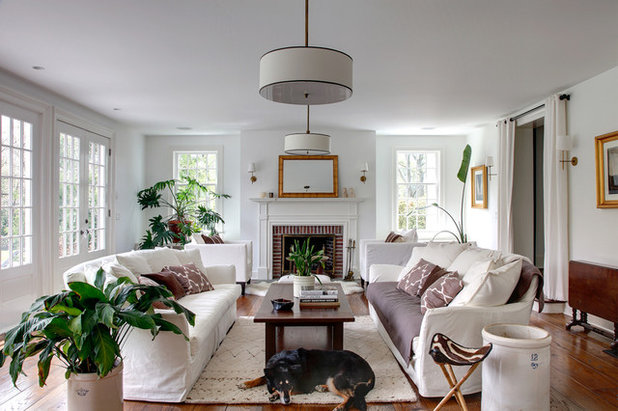
Joseph Bergin Architect PC: Intersperse varying heights, textures, colors throughout room. Green accents tie it together. Tall here; bold there—you can do it.
More: 8 Essentials for Healthy Indoor Plants, More Houzz guides to growing houseplants
Planting Tomatoes in the Garden: Techniques for Strong Roots and Heavy Yields
How to Grow a Backyard Vegetable Garden: Planning to Harvest
How to Create an Organic Garden: Step-by-Step Guide for Healthy Harvests
How to Plant a New Garden: From Soil Prep to Harvest
How to Build a No-Dig Garden Bed: Organic, Low-Maintenance, & Free
Front Yard Landscaping: Step-by-Step Design and Installation
Indoor Trio and Outdoor Bog for Upstate NY
Indoor Banana Plant Care: High Light, Humidity, Constant Moisture, and Summer Outdoors
Purple Garden Design: Royal Hues from Lilac to Near-Black
How to Plant Seeds: A Step-by-Step Guide for Successful Germination
Design a Charming Cottage Garden: Plants, Structures & Style Tips
Creating a Zen-Inspired Garden: Beyond Japanese Clichés
How to Plan an Unforgettable Garden: Embrace Your Site’s Soul
Copyright © www.100flowers.win Botanic Garden All Rights Reserved