


Sleep deprivation is a modern epidemic. While humans can survive weeks without food, we last only about 11 days without sleep. Certain houseplants don't just beautify a bedroom—they actively purify air, regulate humidity, and emit compounds that promote relaxation and deeper rest. Here are ten science-backed choices.



NASA research confirms this evergreen vine absorbs airborne toxins—benzene, formaldehyde, xylene, toluene—and neutralizes oxidative pollutants. Its dense foliage cools the room via transpiration. Tolerates low light; keep soil evenly moist.
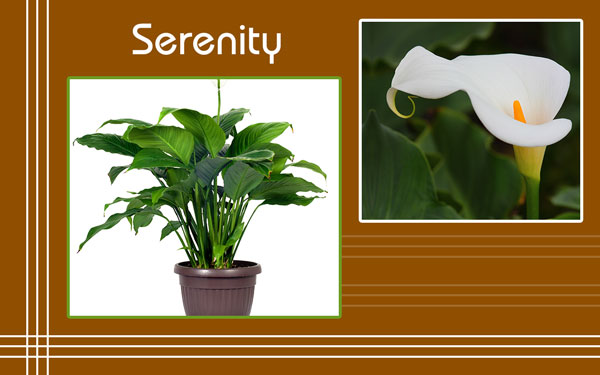
NASA's Clean Air Study found peace lily removes benzene, ammonia, and formaldehyde. Its white spathes add elegance; studies suggest it enhances deep sleep cycles. Prefers bright indirect light; water when leaves droop slightly.
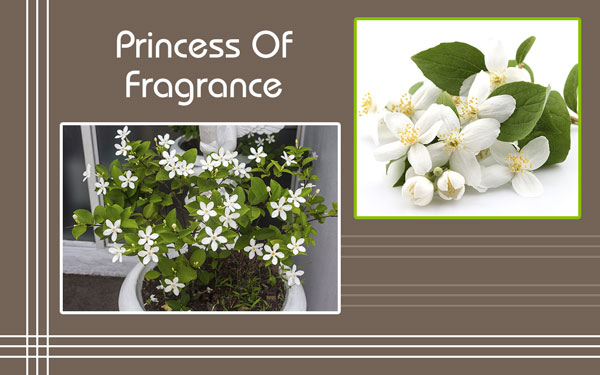
The sweet fragrance reduces anxiety, lowers heart rate, and improves sleep quality. Research links jasmine scent to increased GABA activity (a calming neurotransmitter). Also supports metabolism and circulation. Needs bright light; keep soil moist.
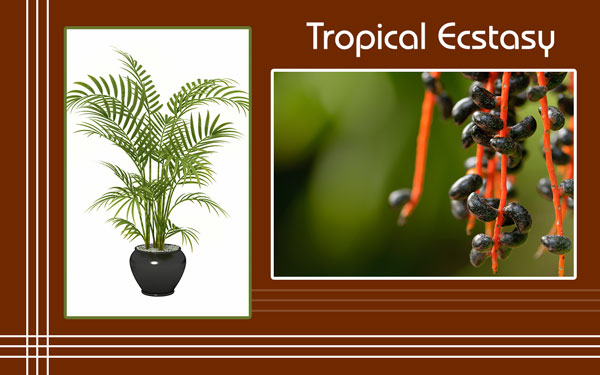
Excellent at filtering formaldehyde, xylene, and toluene. Adds tropical texture and humidifies dry indoor air. Thrives in bright indirect light; water when top inch of soil is dry.
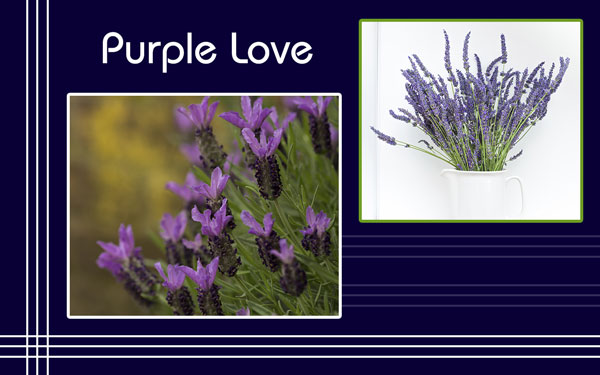
Clinically proven to lower blood pressure, heart rate, and cortisol. The aroma increases slow-wave (deep) sleep. Needs full sun (south window) and well-drained soil; let dry between waterings.
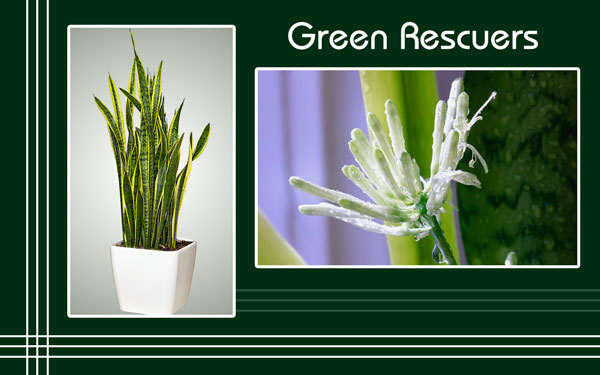
One of few plants that performs CAM photosynthesis—releasing oxygen at night. Removes formaldehyde, benzene, xylene, toluene. Nearly indestructible; tolerates low light and irregular watering.
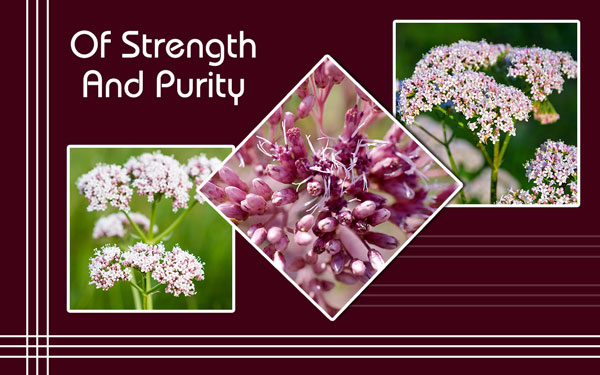
Centuries-old herbal sedative. Root compounds (valerenic acid) increase GABA. Flowers emit a sweet, sleep-inducing fragrance. Also eases anxiety, headaches, and digestive upset. Needs 6+ hours sun; rich, moist soil.
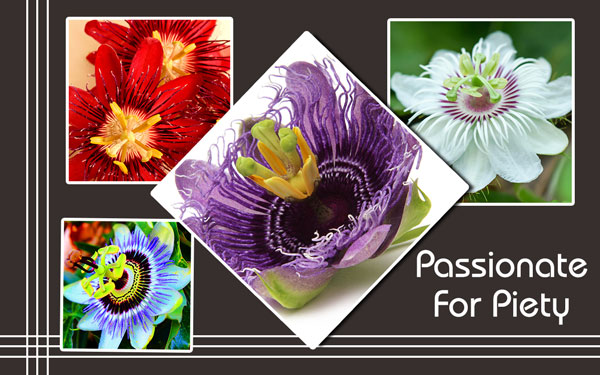
Traditional remedy for insomnia, anxiety, GI distress, and nerve pain. Flavonoids (chrysin, vitexin) modulate GABA receptors. Striking exotic flowers. Vigorous vine—provide trellis; full sun to part shade.
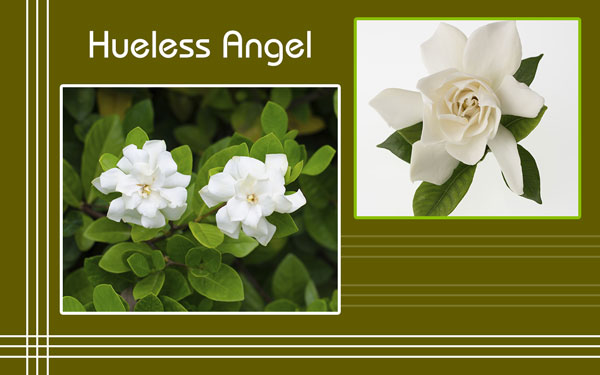
Intoxicating fragrance reduces stress and muscle tension. Contains geniposide, studied for neuroprotective effects. Demands high humidity, acidic soil, bright indirect light, and consistent moisture—rewarding for attentive growers.
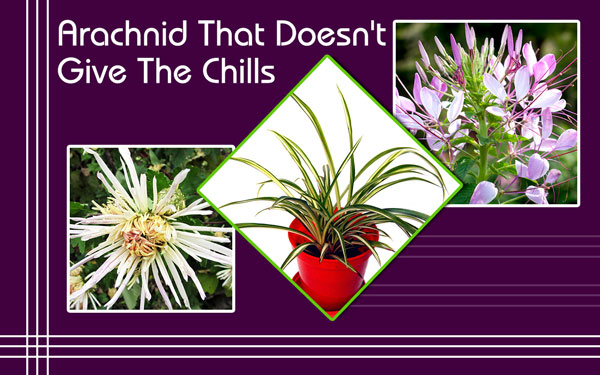
Removes carbon monoxide, formaldehyde, xylene, and airborne carcinogens from household products (paints, adhesives, cleaners). Produces plantlets for easy propagation. Bright indirect light; water when top soil dries.
Plants are a natural, beautiful complement to good sleep hygiene—consistent schedule, dark cool room, limited screens. Let nature help you rest.
Black Sooty Mold on Crepe Myrtle: Aphids, Ants & Organic Fix
Indoor Gardening for Everyone: Growing Houseplants Successfully in Any Space
6 Low-Light Houseplants That Thrive in Dark Corners
Flowering Houseplants: Color and Fragrance for Indoor Spaces
The Romance of Foliage: Designing a Lush Indoor Garden
Overwintering Tender Plants: Turning a Sunroom into a Winter Sanctuary
Plants for the House & Garden: Bridging Indoors & Outdoors for Year-Round Enjoyment
Eradicating a Mealybug Infestation That Spread Across Multiple Plants
Best Low-Maintenance Houseplants for Every Light Condition
Best Houseplants by Type: Flowering, Foliage, Herbs & Succulents for Every Home
Best Non-Flowering Houseplants: Foliage Stars for Low-Light, Low-Maintenance Homes
Succulent Houseplants: Best Indoor Varieties & Care Essentials
Copyright © www.100flowers.win Botanic Garden All Rights Reserved