


Evergreen shrubs form the structural framework of gardens year-round. Mastering identification by leaf and flower characteristics allows confident plant selection, proper care, and deeper appreciation of garden diversity.
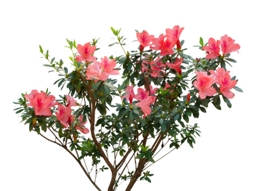
Correct ID ensures appropriate placement, pruning, fertilization, and pest management. It also prevents accidental removal of desirable plants and helps create cohesive designs with compatible species.
Leaves provide the most consistent year-round clues. Examine systematically:
Flowers offer seasonal confirmation. Key features:
| Shrub | Flower Description | Image |
|---|---|---|
| Azalea | Simultaneous bloom; funnel-shaped; white, pink, red, purple; often fragrant | 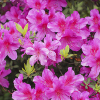 |
| Blue Hydrangea | Pom-pom clusters (mophead) or flat lacecaps; color shifts with soil pH | 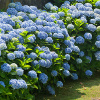 |
| Forsythia | Bright yellow, 4-petaled bells on bare stems; early spring | 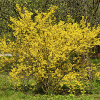 |
| Banksia | Elongated cylindrical spikes; tightly paired flowers at right angles to woody axis | 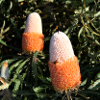 |
| Rose | Classic rose form; single to fully double; vast color range; often fragrant | 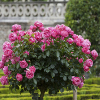 |
| Butterfly Bush | Dense panicles 10-15cm long; white, pink, purple, orange, yellow; strongly scented; nectar-rich | 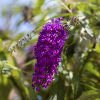 |
| Oleander | Terminal clusters; 5-petaled funnel; pink, red, white, yellow; toxic | 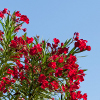 |
| Rhododendron | Large trusses of bell-shaped flowers; white, pink, red, purple, yellow; often spotted | 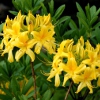 |
| Protea | Largest flower in genus; distinctive cone-like center with colorful bracts; long-lasting | 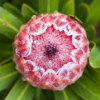 |
| Scotch Broom | Pea-like golden yellow flowers covering arching stems; summer bloom | 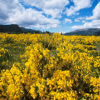 |
White-Flowering Shrubs for Morning Sun/Afternoon Shade (Zone 9)
Identifying Purslanes: Annuals That Self-Seed
Evergreen Shrubs Turning Rust Color: Mite Damage vs. Salt Injury
Sending Flowers to Romania: A Complete Guide to Floral Delivery
Maintaining Columbine Flowers for Season-Long Beauty
How to Identify a Eucalyptus Tree: Key Characteristics
Evergreen Shrubs for Shade: Best Picks for Low-Light Gardens
Identifying American Holly Trees: Key Features and Characteristics
How to Grow Zinnias: Vibrant Cut Flowers All Summer Long
How to Grow Chamomile: Varieties, Planting & Harvest Guide
How to Order Flowers Online: Convenience, Quality, and Surprise Delivery
How to Grow Cannas: A Complete Guide to Planting and Care
How to Dry Annual Flowers: 5 Methods for Lasting Beauty
How to Dry Flowers: Pressing and Air-Drying Methods for Beautiful Preserved Blooms
Copyright © www.100flowers.win Botanic Garden All Rights Reserved