


Sustainable gardening begins with understanding microclimates—pockets where temperature and climate differ from your neighborhood's general conditions. Your yard likely hosts several: a windy, dry exposed area; a shady, moist corner. Sun exposure and terrain are the primary drivers.
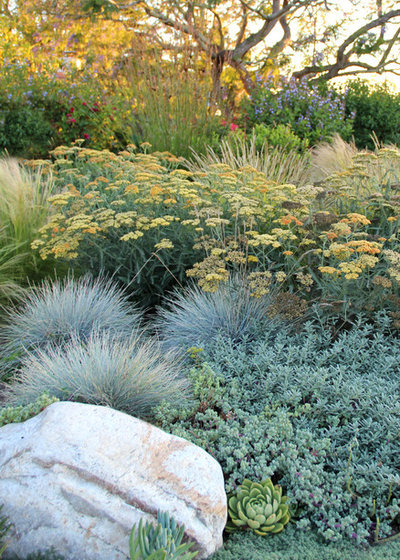
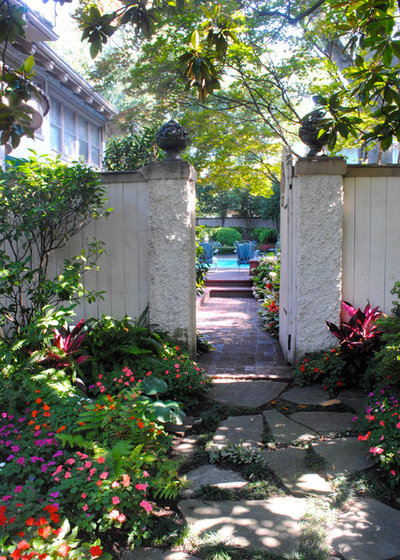
Cardinal direction and daily sun hours define exposure. Full-sun plants need 6+ hours (preferably 8+) of direct light. Map your garden at different times, noting full sun, partial sun, and full shade areas. A landscape professional can provide detailed site analysis.
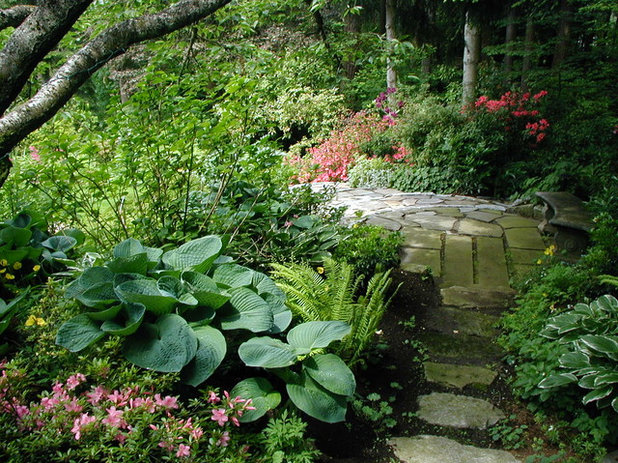
North-facing: Coolest spots—least radiant heat, direct light. Snow melts last here. A few degrees cooler year-round. Avoid frost-sensitive plants in warm-climate north exposures.
South-facing: Abundant sun—risk of excessive heat, dry conditions, foliage burn. Plant heat-tolerant full-sun species or shade with deciduous trees (summer shade, winter light).
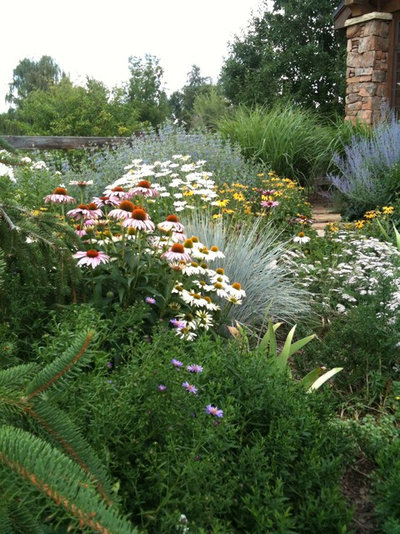
East-facing: Morning sun (6+ hours), easily shaded from scorching afternoon heat by well-placed trees—ideal for many plants.
West-facing: Most challenging—intense afternoon heat builds radiant heat on surfaces, radiating back by late afternoon. Plants wilt and languish. Perfect for heat-loving, drought-tolerant species. Amend soil with organic matter and mulch heavily.
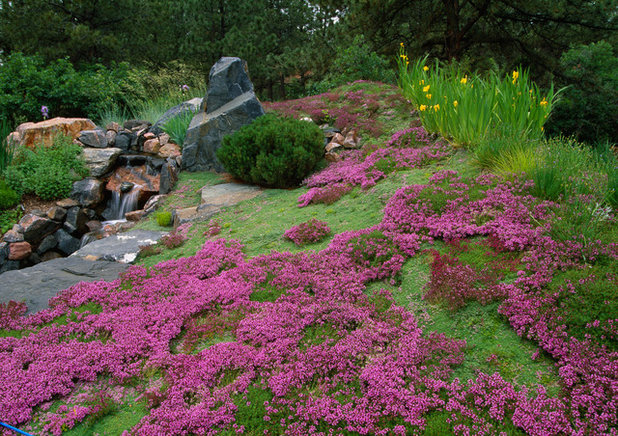
Ground form affects air circulation and intensifies sun exposure effects.
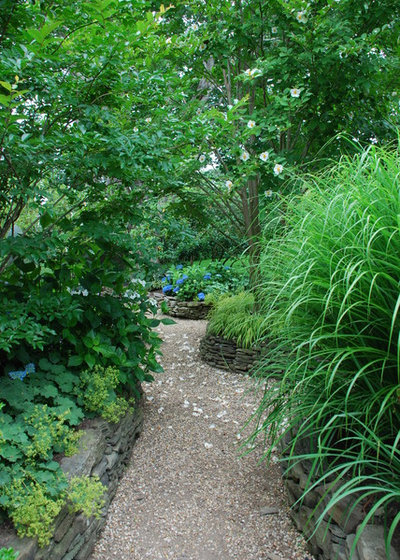
Buildings, sheds, hedges, and large trees modify microclimates. Roof overhangs create rain shadows. Shade trees cool entire areas; removal warms them. Dense hedges act as walls, affecting sun and wind. Paving retains, reflects, and releases heat—dark surfaces warm more than light. Inventory your hardscape and observe plant performance nearby across seasons.
Understanding your landscape's microclimates is the foundation of resilient gardening—right plant, right place means thriving with less work.
Choosing the Right Grass for Your Landscape: A Guide to Types, Climates, and Uses
Optimal Vegetable Garden Placement: Sun, Shelter, and Accessibility
Landscaping with Roses: Design, Planning, and Variety Selection
Design a Family-Friendly Landscape Everyone Will Love
Fall Landscape Preparation: Winterize Now for Spring Success
Roses in the Landscape: Choosing the Right Type for Every Garden Role
Miniature Garden Landscaping Ideas: Tiny Worlds, Big Creativity
Best Plants for Landscape Edging: Soft Borders with Big Impact
Design a Cooler Landscape: Shade, Light Colors & Airflow for Summer Heat
How to Site and Size a Rain Garden for Maximum Impact
5 Reasons to Hire a Landscape Design-Build Firm for Your Project
Copyright © www.100flowers.win Botanic Garden All Rights Reserved