


Good weather begs to be enjoyed outdoors—but without an inviting space, there's little incentive. Deck additions are among today's most requested home projects, fueled by durable materials, smart tech, and unique shade options. Here's your complete guide to finally getting one.
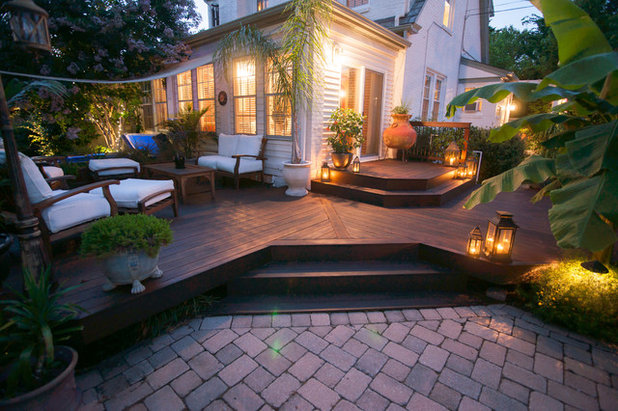
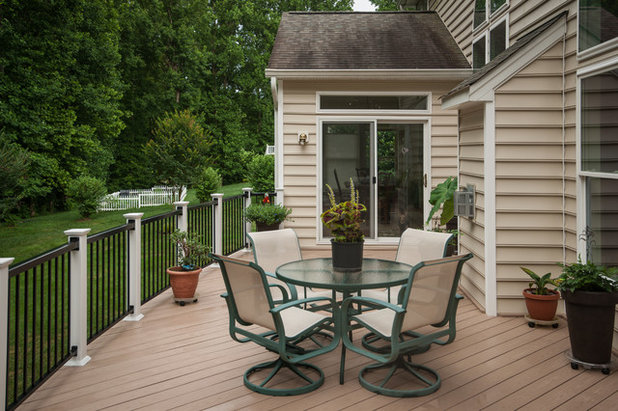
Deck: Elevated platform (wood or composite). Ideal for sloped yards needing flat areas, or homes high above grade/atop basements—can be built as high as needed. If your home sits >14 inches off ground, a platform deck fits.
Patio: Ground-level hardscape (concrete, pavers, flagstone, wood). Sloped lots require costly retaining walls for level surface. If your door opens at grade, a patio works.
Many combine both: a deck stepping down to a patio.
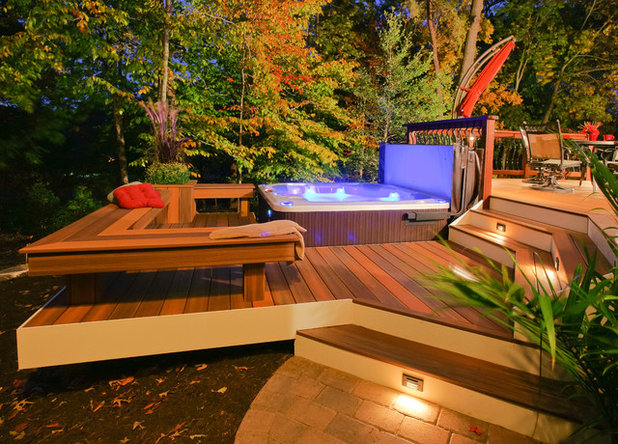
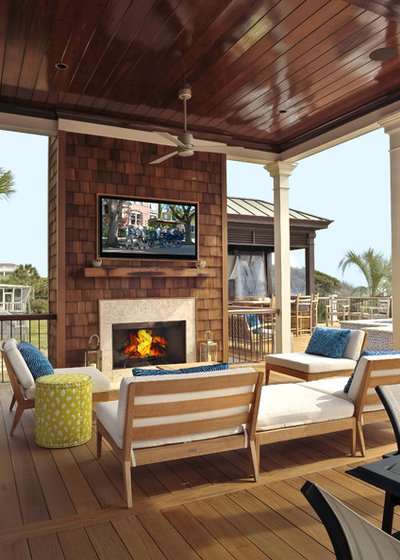
Most want multipurpose zones for eating, cooking, hanging out. Budget allowing, consider: outdoor TV, fireplace, fire pit, hot tub, kitchen, water feature. Purpose drives size, safety, traffic flow. Party host or couple? Kids? Avoid too small or too large. Privacy matters—arbor, pergola, latticework prevent the "stage" feeling.
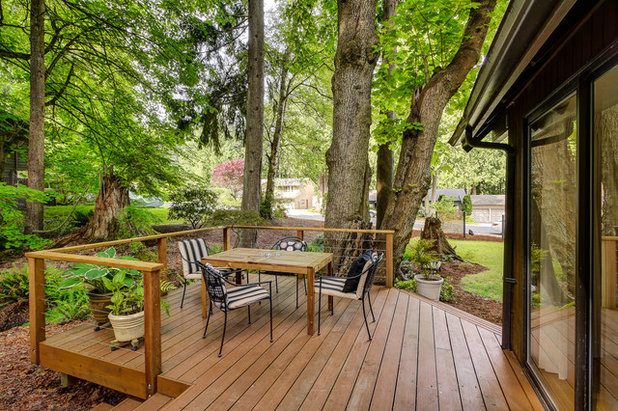
Existing door to the deck site? Great. No door? Adding one in a load-bearing wall spikes costs. For dining, locate near the kitchen—"you don't want to climb stairs for salt," says 20-year deck builder Clemens Jellema.
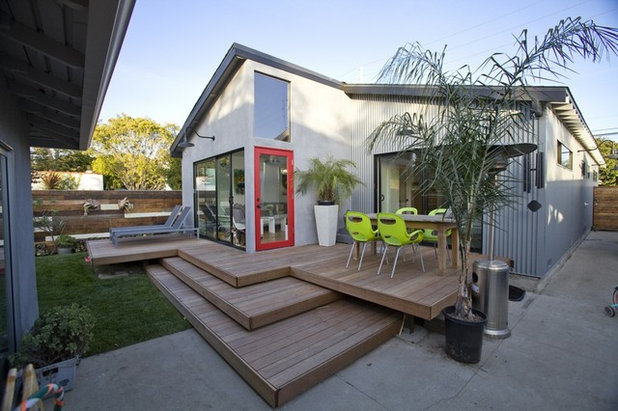
A pro recommends styles, materials, colors that blend or complement your home.
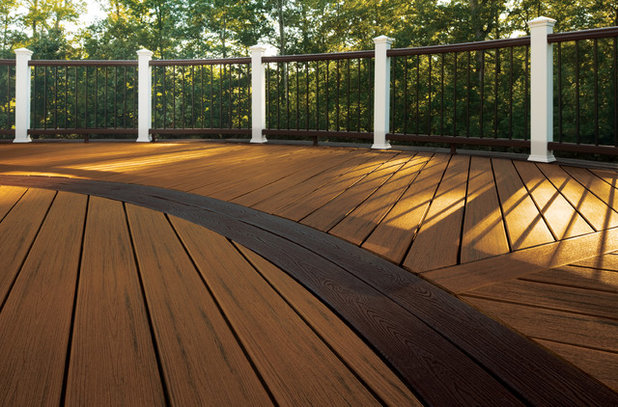
Historically wood dominated; now composite leads. Many HOAs once banned composite (too plasticky); now many ban wood (neglected decks weather poorly in 5–6 years).
Composite: Engineered wood fibers + plastic (often recycled bags). Newer capped boards resist stains/fading. 40–50% pricier than wood but 20–25-year warranties, low maintenance, wood-look variety, colorfast. Clean with detergent and hose. Long-term cost can equal or beat wood.
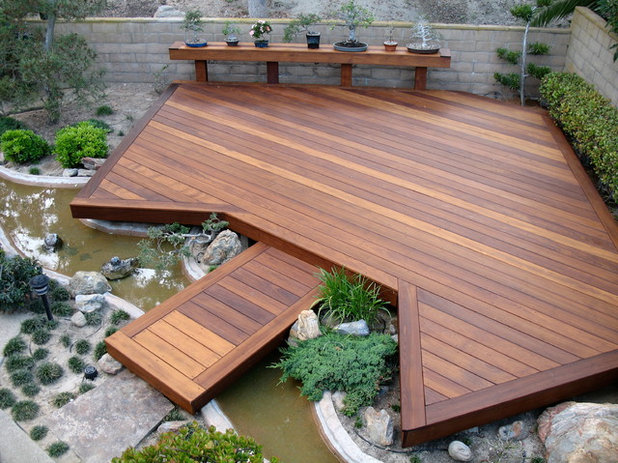
Wood: Less expensive upfront but weathers, driving maintenance. Untended wood rots, warps, cracks, splinters, pops nails. Maintained wood is beautiful—Ipe (Brazilian hardwood) is naturally durable, weatherproof, now priced near composite. Power wash and re-oil after pollen/leaf fall (bacteria food). Availability varies regionally—redwood/cedar on West Coast, scarce East. Check HOA restrictions.
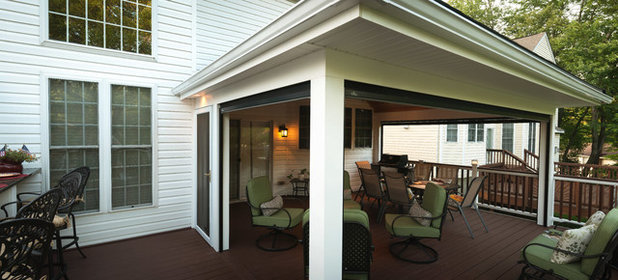
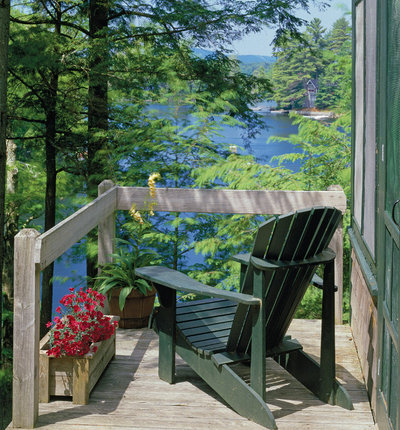
Shade: Umbrellas to pavilions, screened porches. Elaborate = expensive. Decks 8–9 ft up can convert below to dry storage/entertaining with integrated drainage panels.
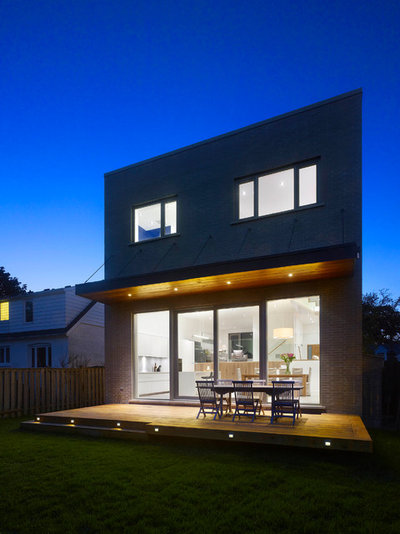
Lighting: Ambient for lounging, task for cooking, safety for stairs/railings.
Cost: Varies by location. D.C. area: 300–500 sq ft composite ~$20K–$30K; 12×18 ft townhouse ~$10K–$15K. Houzz Real Cost Finder: SF ~$14K; Austin ~$6,848; Little Rock ~$4,392. Multi-level with hot tub/pavilion: $50K–$60K. Jellema once built a $120K deck (pre-recession). Decks recoup 70–80% at sale.
Pro deck designer-builder: measures, photographs, discusses needs, suggests integration, knows codes/permits. Uses lasers for level, correct fasteners. 3D software maps traffic flow and furniture placement. "You want people drawn to the deck evenings and weekends—that's success." Specialize: deck pros for decks, patio pros for patios. Outdoor kitchens need plumbing/gas; entertainment/lighting needs electrician.
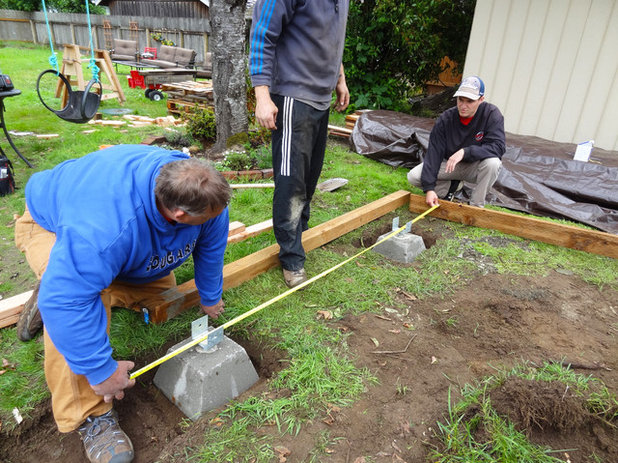
65% of decks are owner-built to save money, but often without permits—problematic at sale (inspection reveals code violations). DIY is possible if skilled, but much goes into a proper deck. Given 80% cost recoup, a pro is often worth it.
Permit likely if: >200 sq ft, >30 inches high, retaining walls >3 ft (engineer >5–6 ft). Codes vary by county—cable railings allowed in some, prohibited in others. Septic/well affects placement. Pros read site plans, assess setbacks, create permit drawings. "Hard for a homeowner to permit, plan, and build to code—not worth it."
Nice weather is obvious, but deck projects let you rethink the whole backyard—many builders coordinate with landscapers, pool pros. 300–500 sq ft: 1–2 weeks. Add porch/pavilion/gazebo: +1 week. Simple townhouse deck (100–300 sq ft): 3–4 days. Variables: seismic requirements (CA), permit speed (hours to months), flood zones, tree removal, septic/well. A good pro assesses all from your site plan.
Setting Up a Stable Aquatic Bladderwort Pond: Aeration and Biology
Hoodia for Weight Loss: Safety Concerns with Blood Pressure and Psychiatric Medications
Mystery Vining Plant: Likely Tradescantia, Let It Trail
Mystery Mother's Day Plant: Braided Trunk, Narrow Leaves, Purple Flowers
UFO LED Grow Light: Compact, Efficient, and Powerful for Indoor Gardens
Teak Garden Furniture: The Complete Buyer's Guide
Grasshopper Infestations: Identification, Damage, and Control Methods
Organic Gardening Mastery: Essential Techniques for Healthier Harvests
Understanding Greenhouse Bases: Why They’re Not the Same as Foundations
The Fascinating History of Roses: From Wild Species to Modern Hybrids
Organic Horticulture Essentials: Climbing Plants, Soil Care, and Natural Solutions
Cockroach Biology & Control: What Every Homeowner Should Know
Complete Guide to Growing Hibiscus: Tropical Beauty for Any Climate
Copyright © www.100flowers.win Botanic Garden All Rights Reserved