Stone is the skeleton of the garden—providing structure, texture, and a sense of permanence that plants alone cannot. From boulder accents to flagstone patios, landscaping stones transform flat yards into dimensional landscapes with year-round presence.
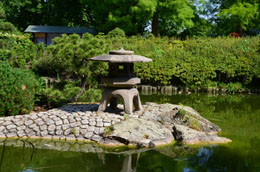
Why Stone Landscaping?
- Zero maintenance: No water, pruning, fertilizing, replacing
- Four-season structure: Visible and beautiful in winter
- Drainage solutions: Permeable surfaces, dry streams, French drains
- Microclimate creation: Heat retention, wind breaks, shade
- Design anchor: Organizes plantings; provides contrast
Major Stone Categories for Landscaping
Boulders: The Anchors
- Sourcing: Quarries, stone yards, excavation sites (often free/cheap)
- Selection: Weathered faces, interesting shapes, local stone preferred
- Placement: Bury 1/3-1/2; cluster in 3s, 5s; relate to landform
- Safety: Rounded tops; stable base; away from play/fall zones
- Creative uses: Carved addresses, natural seating, sculpture bases
Flagstone: The Versatile Flat Stone
- Types: Sandstone (warm tones), limestone (cool grays), bluestone (blue-gray), quartzite (hard, sparkling)
- Thickness: 1-2" (patios on concrete), 2-3" (dry-laid), 3"+ (driveways)
- Shapes: Irregular (natural), cut (dimensional), pattern (pre-cut kits)
- Applications: Patios, walkways, pool decks, stepping stones, wall caps, waterfall spillways
- Joints: Sand, polymeric sand, mortar, gravel, groundcovers (thyme, sedum)
Marble & Limestone: Refined Elegance
- Marble: Crystalline, translucent; white, cream, pink, gray, green; polishes high
- Limestone: Sedimentary, softer; cream, buff, gray, blue; fossil impressions
- Uses: Fountains, statuary, bench seats, step treads, wall veneer, planters
- Considerations: Acid-sensitive (stains, etches); slippery when polished; seal recommended
Pebbles & Gravel: The Textural Carpet
- Sizes: Pea gravel (3/8"), 3/4", 1-2", 2-4" (cobble)
- Colors: River mix (earth tones), single-color (white, black, red, gold)
- Uses: Paths, mulch, dry streams, pond bottoms, driveways, Zen gardens
- Edging mandatory: Steel, stone, concrete, pavers
- Stabilization: Honeycomb grids for slopes/driveways; binding resins
Lava Rock: Lightweight & Porous
- Properties: Volcanic; red/black; lightweight; porous; insulates roots
- Uses: Mulch (permanent), planter drainage, lightweight fill, biofilter media
- Design: Red lava + white marble + green grass = tricolor drama
- Note: Sharp edges; floats in floods; difficult to remove
Rock Garden Design Concepts
Alpine/Rockery Garden
- Mimics high-elevation: lean soil, excellent drainage, sun
- Plants: Saxifraga, Sempervivum, Dianthus, Phlox, dwarf conifers
- Stones: Angular, stratified placement; scree slopes
Japanese Rock Garden (Karesansui)
- Symbolic: rocks = mountains/islands; gravel = water
- Raked patterns; minimal plants (moss, pine, maple)
- Stones: Weathered, asymmetrical, carefully selected
Desert/Xeric Garden
- Boulders + gravel + succulents (agave, yucca, cactus, sedum)
- Dry stream washes; mineral mulch; heat-loving plants
- Stones: Rounded (water-worn) or angular (fractured)
Woodland/Rock Outcrop
- Mimics natural ledge: mossy boulders, ferns, shade perennials
- Stones: Local, moss-covered, partially buried
- Plants: Hostas, heuchera, foamflower, wild ginger, native ferns
Design Principles for Stone
- Local stone first: Geologically authentic; lower carbon footprint
- Vary scale: Boulders → cobbles → gravel → sand (natural hierarchy)
- Bury bases: 1/3 minimum; looks grown, not placed
- Cluster odd numbers: 3, 5, 7; asymmetrical triangles
- Relate to architecture: Match house foundation, chimney, patio stone
- Plan for plants: Planting pockets, soil depth, irrigation access
Installation Practicalities
- Equipment: Skid steer, mini-excavator for boulders; hand-place smaller
- Delivery: Dump on protection (plywood, tarps); stage near placement
- Base prep: Critical for patios/walls; compacted aggregate
- Drainage: Behind walls, under patios, around plantings
- Safety: Steel-toe boots, gloves, back technique, spotters for large stone
Stone is the garden's memory—outlasting gardeners, trends, even structures. A well-placed boulder becomes a landmark; a flagstone patio hosts generations of gatherings; a dry stream handles storms beautifully. Choose stone that belongs to your place, place it with intention, and let it do the heavy lifting of landscape structure.


