


Aeration is a cornerstone of effective lawn care, allowing water, air, and nutrients to penetrate compacted soil and reach grass roots. While power aerators exist, a manual lawn aerator offers a cost-effective, practical alternative for many homeowners. This guide covers everything you need to know about manual aerators, from types and benefits to proper usage techniques and timing.
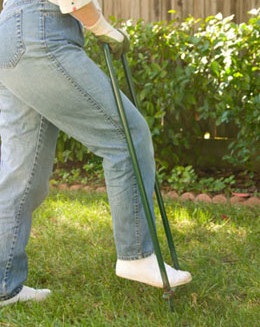
Manual aerators are ideal for smaller lawns and homeowners who have the time and physical stamina for the task. They're significantly less expensive than powered models—both to purchase and rent—and excel at reaching tight corners and confined spaces where large equipment struggles. If your lawn shows signs of compaction—water pooling, thinning grass, or hard soil—a manual aerator can restore its health and appearance without the cost of professional services.
Manual aerators fall into two main categories, each suited to different soil conditions:
These tools puncture the soil with solid tines, creating small holes by pushing soil aside rather than removing it. They work best in loamy soils but produce shallower holes that may not last as long. Spike aerators are simpler to use but can sometimes worsen compaction around the hole edges.
Core aerators remove small cylinders of soil and grass, creating deeper, longer-lasting channels for air and water movement. This type is superior for clay soils and provides more significant compaction relief. The extracted plugs break down naturally on the surface, returning nutrients to the lawn.
Most manual aerators feature a long handle with a crosspiece at the bottom and 2–4 hollow or solid tines. To operate:
Models with 3–4 tines require more effort to penetrate and withdraw; two-tine versions are easier to maneuver but cover less area per step.
Timing is critical for recovery and results:
Most lawns benefit from annual aeration; heavily trafficked or clay-heavy lawns may need it twice a year.
With the right tool and timing, manual aeration is a rewarding DIY project that delivers a thicker, greener, more resilient lawn.
Why Compost Alone Isn't Enough for a Healthy Lawn: Nitrogen Needs and Disease Risks
Pricing a 17,500 Sq Ft Sod Job: Don't Guess—Calculate
Reviving Lawn Burned by Weed Killer
Lawn Edging Solutions: Materials, Installation & Maintenance
Acorns on the Lawn: Harmless Nuisance or Real Problem?
Lawn Aeration Made Easy: The Key to a Lush, Green Lawn
Aerating Bermudagrass: Timing, Equipment, and Common Questions
Grub Damage in Late Summer: Identification and Next Steps
Controlling Moss in Shady Lawns: The Limestone Solution
Growing Grass in a Small, Heavily Shaded Yard
Fixing a Mixed Bermuda and Kentucky Bluegrass Lawn
Moon-Like Craters in Lawn Near Water May Indicate Tidal Influence
Visible Runners on Lawn: Causes and Renovation
January Lawn Care in Corona, CA: Fertilizer and Mowing Timing
Copyright © www.100flowers.win Botanic Garden All Rights Reserved