


(Editor's Note: Originally published January 27, 2008.)
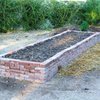
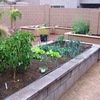
This method resembles Square Foot Gardening but with larger areas and less precise spacing.
Instead of single straight rows, plant wide rows. Advantages below with general creation instructions. You'll get more yield in less space with less maintenance. Rows can be as long as space allows.
We find 3-foot-wide rows optimal—easy to reach the center from either side. Till or spade soil 6–12 inches deep. Mix in ample compost, processed or well-rotted manure, or if unavailable, all-purpose vegetable fertilizer (10-10-10). Rake level to eliminate low spots where water collects and keeps soil cool. Mounding the planting area warms and dries soil sooner, bringing earlier maturity.
Plan garden layout on paper first, placing tall crops north to avoid shading shorter ones. This wide-row method adapts to small areas like flower and shrub beds—"intensified gardening," really the same concept. Crops planted close in various shapes suiting available space.
When young seedlings develop, thin and space properly. Otherwise, crops won't produce well. This is the hardest part for beginners. Grit your teeth and thin with an iron-toothed rake. Most raked seedlings are edible—great in salads or sautéed with oil and vinegar. The holes left allow air and water to reach remaining roots.
Raised beds can be made from diverse materials available locally. Side boards aren't mandatory—personal taste and budget. We don't use them (too cheap) and like the flexibility of moving beds yearly. But with a big rototiller; without one, side boards are advisable. Keep good planting records for crop rotation. Fewer diseases with this method, but sanitation always matters.
If you want to save space and time, plus easier harvesting, wide-row gardening may be right for you. Once you try it, you'll never go back to single rows!
Photos used with permission of ceeadsalaskazone3, Mary McP, and Dann_L. Thanks!
Reviving Waterlogged Raised Bed Tomatoes and Peppers
Organic Gardening Excellence: From Good to Great with Pro Strategies
Dutch Gardening: Big Impact in Small Spaces
Essential Garden Tools for the Avid Gardener: A Pro’s Shortlist
Selecting the Right Plants for Your Garden Conditions: Sun, Soil, and Design
Perfect Gardening Gifts: From Practical Tools to Living Presents
Plants for the Pergola: Climbers for Season-Long Romance & Color
Renovating a Neglected Raised Bed: Soil Restoration and Replanting
Proven Tips for the Perfect Organic Garden
The Organic Gardener: Embracing Biological Controls for a Healthier Garden
Build Your Perfect Garden with These Master Gardener Secrets
The Perfect Plants for a Successful Butterfly Garden
Cheesecloth in the Garden: Versatile Fabric for Frost, Heat, and Pest Protection
Copyright © www.100flowers.win Botanic Garden All Rights Reserved