


The holidays have passed, and the new year brims with possibility. Whether gardening is a resolution or a release, January chores can make you feel productive. Scan seed catalogs, prune deciduous trees, feed birds, or simply enjoy the winter vista. Here's how to get started in 2014, region by U.S. region.
Northwest | California | Southwest | Texas | Rocky Mountains
Central Plains | Great Lakes | Northeast | Mid-Atlantic | Southeast

Deciduous trees are dormant—time to sharpen pruning tools and tidy them up, writes landscape designer Karen Chapman. Pruning now avoids wasting the tree's food resources (sap) that would be lost if pruned in warm weather.
Get her Northwest January checklist

Early blooms appear. Flowering quince is one of the first to bloom, especially prized for forcing indoors. 'Pink Storm' is a bright pink variety. Many varieties exist—single or double flowers in white, pink, orange, red. An old-time red is a rural fixture, testament to its low-care survival.
Get his California January checklist

Plant trees, perennials, and shrubs this month. In Texas, plant evergreen and deciduous trees; in the desert Southwest, plant shade trees as early as possible. Bare-root trees should go in before leafing out. Southwestern gardeners can plant desert marigold (Baileya multiradiata), guara (Gaura lindheimeri), angelita daisy (Hymenoxys acaulis), and canyon penstemon (Penstemon pseudospectabilis). Texas gardeners can plant blackfoot daisy (Melampodium leucanthum), autumn sage (Salvia greggii), Mexican mint marigold (Tagetes lucida), and copper canyon daisy (Tagetes lemmonii).
Get her Texas and Southwest January checklist

Provide clean water and food for birds. High-quality seeds, peanuts, and suet are essential when natural sources are buried or depleted. Fresh water for drinking and bathing is crucial; keep birdbaths ice-free with a commercial heater.
Get her Rocky Mountains January checklist

Dream of spring flowers with the influx of plant and seed catalogs—a boon for the postal service and winter blues. Sow catalogs directly into snowdrifts to help visualize spring placements.
Get his Central Plains January checklist

The snow-covered garden reveals shapes and lines. The monochromatic setting shows off well-branched trees and shrubs like native redbud (Cercis canadensis). This simplicity helps see the garden's bones and plan spring/summer changes.
Get her Great Lakes January checklist
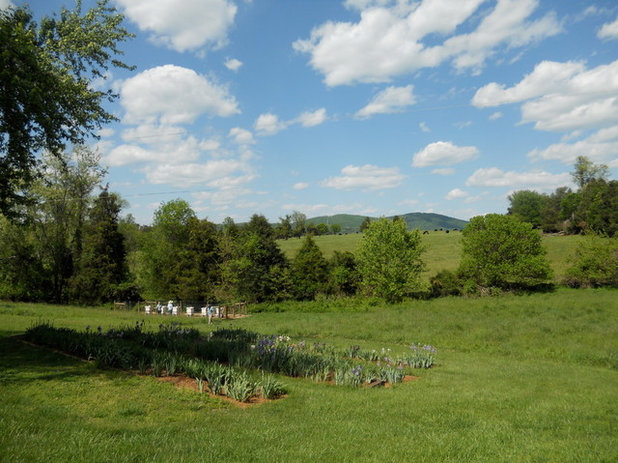
Support local beekeepers as honeybee populations decline. Bees need lots of flowers; wildflowers like goldenrod, aster, and Joe Pye Weed (Eupatorium maculatum) sustain hives. Bee balm (Monarda spp.) is a great perennial for woodland edges, meadows, and mixed borders.
Get her Northeast January checklist

Leave berries on plants for birds—vital food this month. If you used berries for decor, toss them back outdoors for wildlife.
Get her Mid-Atlantic January checklist

Layer organic mulch (compost, composted leaf mold, or manure) to keep plants warm through winter. Most helpful in vegetable gardens and garden beds.
October Garden Checklist: Regional Tasks from Soil Prep to Leaf Mulching
Quiz: Discover Your Garden Style Personality
April Garden Tasks by Region: What to Plant and Do Now
August Garden Tasks by Region: Planting for Fall and Winter
July Garden Tasks: Maintain, Harvest, Mulch, Water, Weed
Designing a Landscape for a New Home: From Plot Plan to Plant Selection
Rare Flowering Trees That Ignite Your Landscape
Smart Gardening Tips: Work Less, Grow More
Microgardening for Profit and Pleasure: Big Yields from Small Spaces
Attract Hummingbirds: Create a Complete Habitat in Any Garden
Copyright © www.100flowers.win Botanic Garden All Rights Reserved