


Annual flowers deliver reliable color, but repurchasing them every spring adds up. The good news? Many popular annuals root easily from cuttings, letting you carry favorites through winter and multiply your stock for spring planting. With minimal space and effort, you can enjoy a self-sustaining cycle of beloved blooms.
Focus on compact, shade-tolerant annuals that thrive as small indoor plants. Top performers include:
Avoid large, sun-loving annuals like sunflowers—they're impractical for indoor overwintering. When experimenting with other bedding plants, prioritize those with manageable size and moderate light needs.
Mid-to-late summer (August–September) is ideal. Plants are actively growing, and warm temperatures encourage rapid rooting. Plan for one "mother plant" now to yield 3–5 new plants by spring.
Pro tip: Use clean, sharp scissors for a precise cut just above a node—this reduces rot risk and prompts the donor plant to bush out from the remaining node.
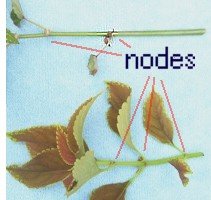
Nodes are the points on a stem where leaves or side shoots emerge—and where roots are most likely to form. When taking cuttings:
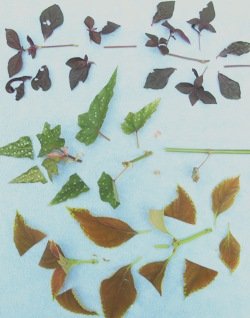
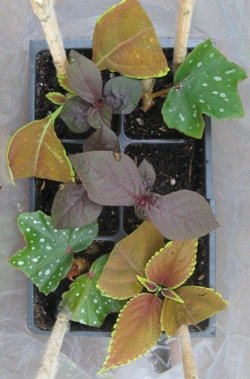
Bring plants indoors before frost. Treat as houseplants: water when soil surface dries, provide bright light, and pot up if they outgrow containers. Monitor water-rooted cuttings for rot.
In late winter (6–8 weeks before last frost), take fresh cuttings from your overwintered plants to multiply your stock. This second round gives new plants time to establish roots and bulk up before transplanting outdoors.
With a little planning, your annual garden becomes a perennial investment. Snip, root, repeat—and watch your plant budget shrink while your garden flourishes.
Essential Gardening Accessories: Tools, Supplies, and Family Involvement
Gardening Fundamentals: Watering, Pest Control, Soil, and Weed Prevention
Essential Gardening Tools and Supplies for a Successful Start
Hillside Garden Irrigation: Effective Watering on Slopes
Smart Garden Savings: 12 Ways to Cut Costs Without Sacrificing Beauty
Urban Gardening Solutions: 7 Strategies for Limited Spaces
Garden Tiller Mastery: Selection, Safety, and Soil Preparation
Landscaping Design Basics: 6 Principles for Beginners
Free Landscaping Guide: 6 Steps to Your Dream Garden
How to Care for Garden Tools So They Last for Generations
Copyright © www.100flowers.win Botanic Garden All Rights Reserved