


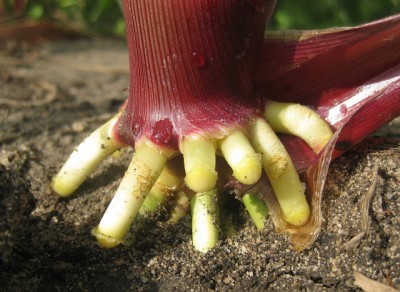
Most roots grow from a primary root system — but adventitious roots break the rules. They form on stems, leaves, rhizomes, or even old trunks, giving plants extraordinary abilities to spread, survive floods, and clone themselves. Understanding them unlocks easy propagation for many species.
Roots that arise from non-root tissue — stem nodes, leaf bases, cut surfaces. They're common in:
Triggered by low oxygen, high ethylene, or injury — they're a survival superpower.
Because roots are already forming, propagation is faster than traditional cuttings — no hormone needed.
Keep medium moist, humidity high, light indirect. Most root in days to weeks.
Plants with adventitious roots colonize tough sites (wet, rocky, shaded) and recover fast from damage. For gardeners, they're the easiest plants to multiply — nature did half the work already.
7 Expert Tips for Growing Robust Tomato Plants
Essential Indoor Gardening Tips: Light, Soil, Water, and Environment
How to Grow Turmeric Indoors: Complete Guide for Fresh Rhizomes
Ordering from Seed and Plant Catalogs: Smart Selection Tips
Propagating Alocasia (Elephant Ear) by Rhizome Division
Aerial Root Masses on Orchid Stem: Dendrobium Cane Propagation
Rescuing a Clearance Phalaenopsis: Repotting and Recovery
Selecting Healthy Nursery Plants: A Buyer's Inspection Guide
5 Smart Tips for Decorating with Indoor Plants
5 Pro Vegetable Gardening Tips for Better Harvests with Less Work
Copyright © www.100flowers.win Botanic Garden All Rights Reserved