


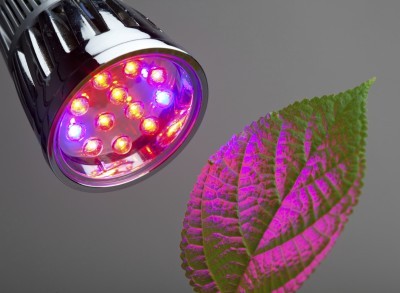
Both red and blue light are essential for indoor plants—neither is "better." White sunlight contains all colors; plants reflect green (appearing green) and absorb red/blue for growth.
Blue light drives chlorophyll production → strong stems and leaves.
Red light triggers flowering/fruiting; essential for germination, root growth, bulb development.
Outdoor plants in full sun get both naturally; indoor plants often need supplementation.
Source of Red Dye from Cacti: Cochineal Insects on Opuntia
Plant Growth: No Light vs. Artificial Light
Red-Brown Leaves on Nepenthes: Light Response, Not Disease
Choosing the Right Grow Light for Your Peace Lily (Spathiphyllum)
Chinese Evergreen Light Guide: Spotting Low-Light Stress Before It's Too Late
Dracaena marginata Care: Light, Water, and Pot Size
Planting for Fall Color: Shrubs, Perennials, and Grasses That Shine in Autumn
Best Light Color for Indoor Plants: Why Fluorescent Beats Incandescent
Rubber Plant (Ficus elastica) Leaf Drop: Pot-Bound Diagnosis and Pruning Guide
Plants for a Windowless Bathroom: Low-Light Options and Light Requirements
Plants for a Windowless Bathroom: Only Possible with Artificial Light
Best First Houseplants for Low-Light Condos
Caring for Your Bonsai: Six Essential Practices
Hints for Healthy Houseplants: Light, Humidity, Grooming & Pest Control
Copyright © www.100flowers.win Botanic Garden All Rights Reserved