



Roses in frost-free Zones 9 and 10 seldom need winterizing. Zone 11 roses need no protection and don't go dormant—they bloom until pruned.
In extra cold climates:
Step 1: In early fall, stop cutting roses and let plants form hips (seedpods) as they prepare naturally for winter.
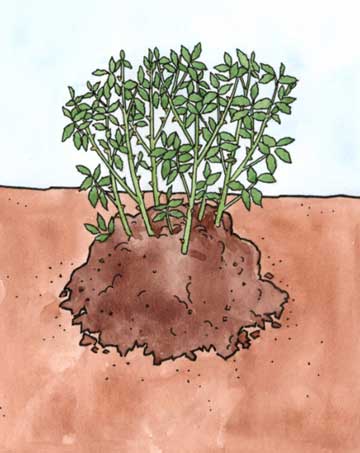
Step 2: After the first fall frost, protect plants from freeze-thaw damage by piling soil over the base; cover the bud union and up to ~2 feet. Use fresh topsoil or compost, not soil scraped from around the plant.
Prune overly long canes on bush-type roses to prevent wind damage. Expect some winter kill (canes dying back to bud union). Plan to prune dead canes in early spring.
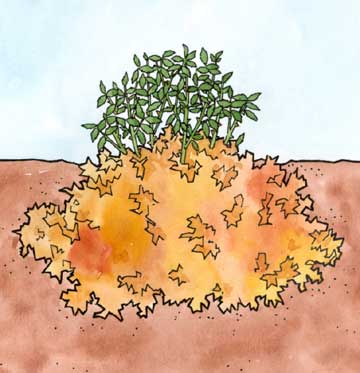
Step 3: After the first hard freeze, add mulch: Pile dry, shredded leaves or bark chips on the mounded soil. In spring, remove leaves/bark and soil pile; spread leaves and bark around the garden.
In areas with sub-zero temperatures and frigid, drying winds, take extra precautions:
Step 1: Wrap twine around canes to hold them erect. Use a garden fork to gently unearth roots. Dig a trench to one side large enough to contain the plant's height and width.
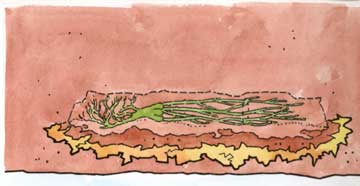
Step 2: Gently tip the plant and lay it in the trench. Cover with soil. Pile a 2-inch layer of shredded leaves on top. In early spring, carefully uncover and replant.
Hybrid Tea roses need:
Tree roses need:
Potted tree roses need:
Hybrid teas need extra protection in cold-winter areas.
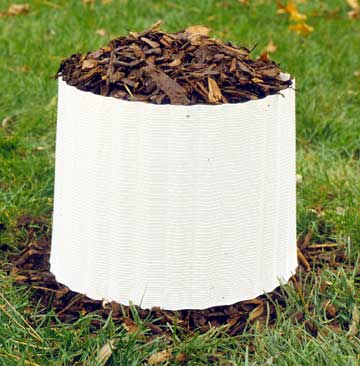
Rose cones: Purchase a reinforced plastic cylinder or styrene cone for each plant. Place over plant and fill with dry leaves, soil, or bark chips. Remove in early spring.
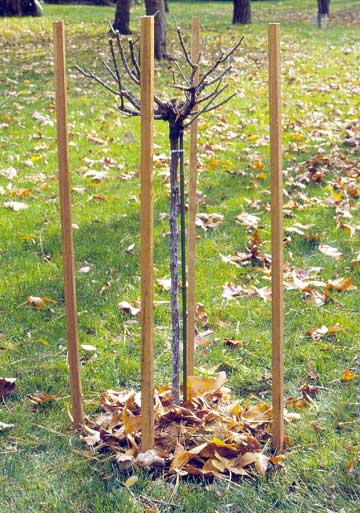
Step 1: In mild-winter areas, pile straw around the base of a tree rose (grafted on a tree-length stem).
Step 2: In cold-winter areas, use soil instead of straw. Place a framework of wooden stakes around the tree.
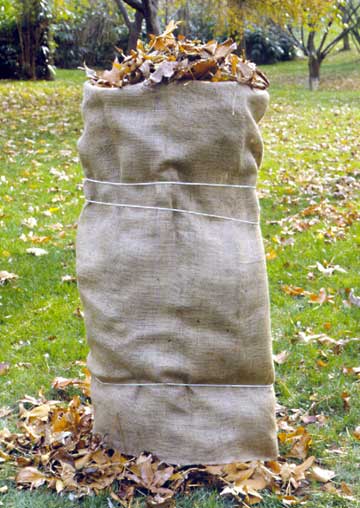
Step 3: Wrap a generous length of burlap around the stakes to enclose the tree. Secure with twine or wire. Fill enclosure with dry leaves or straw. In extremely cold areas, treat tree roses like other roses—bury in trenches (see above).
Overwinter potted tree roses and other potted roses by moving them to an unheated garage or sheltered spot against the south side of your house. Protect each plant, pot and all, in a roomy cardboard box packed with shredded newspaper, dry leaves, styrene pieces, or peat moss. Surround the box with hay bales.
Preparing Soil for a New Rose Bed: Organic Matter and Fertilizer Tips
Knock Out Rose Winter Protection in NE Pennsylvania Zone 5/6
Lava Rock for Roses in Clay Soil: Nutrients Over Acidity
5 Expert Tips for Planting Roses Successfully
Winter Protection for Container Plants: Moving Tender Exotics to Safety
Growing Roses for Beginners: Simple Steps to Your First Beautiful Blooms
Planting Depth for Grafted Roses & Replanting in Old Rose Soil
Roses Fail in Chronically Damp Soil—Use Raised Beds
Why Roses Fail in Coal Ash and Pine Tree Areas
Lime and Roses: The Truth About Soil pH
Winterizing Roses in Cold Climates: Mound, Mulch & Timing
Copyright © www.100flowers.win Botanic Garden All Rights Reserved