


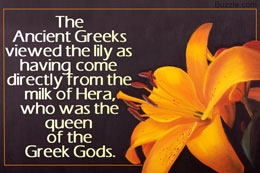
 While the word lily is used loosely by those who aren't familiar with the different kinds of genus, it is in fact true that some lilies have a little semblance to one another, but not entirely. This is misleading no doubt, but once you understand how the families differ, you'll know better when separating their kind.
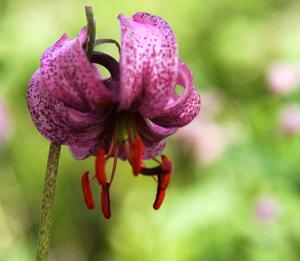 Turban Lily/ Sultan Lily
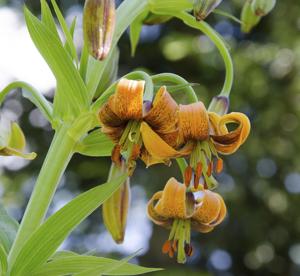
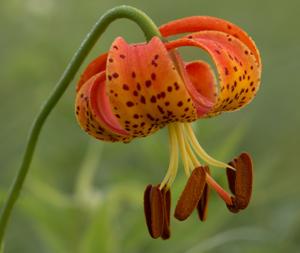 These speckled beauties grow well in weather conditions where humidity and heat aren't a bothersome factor. Cool and dry climatic conditions is what these hybrids require in order to flourish within garden spaces. They're supposedly not very pleasant-smelling but are moreover known for their beauty. Once planted, martagons take some time to get used to their location but with time, they will bloom with great vigor. They can be distinguished by their spotted, vibrant petals and whorled leaves. Martagon lilies need to be planted in well-drained soil that is either semi-alkaline or acidic - partial or full sunlight is favored. Other hybrids that fall in this group:
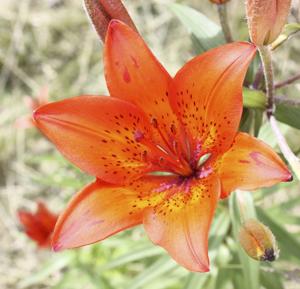 Leichtlins' Lily
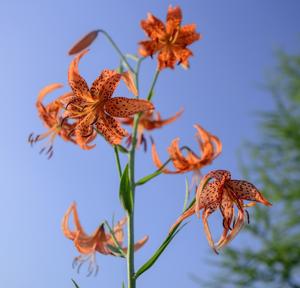 Nodding Lily
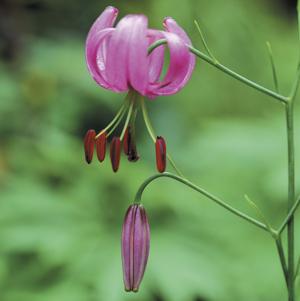 Korean Lily
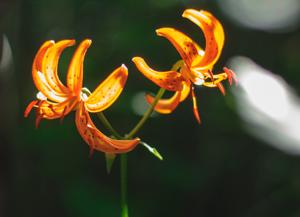 Toad Lily
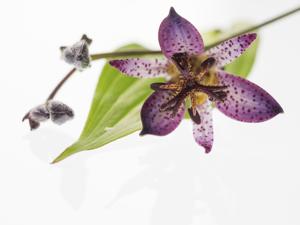 Seibold's Lily
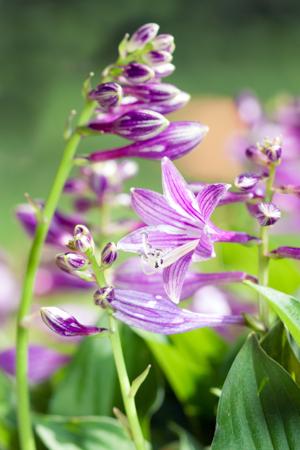 Siberian Lily
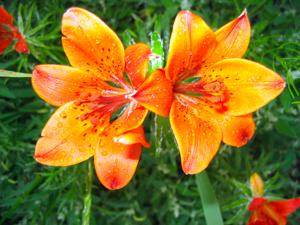 These flowers carry a glossy sheen that is distinct to their hybrid kind, where they do well during the months of June and July when planted. They carry some qualities that speak martagon, but there is a distinction that sets them apart. These lilies are mostly unscented, but the colors are an array to behold. They need plenty of sunlight to keep them growing abundantly, where shaded spots wouldn't work for the Asiatic hybrid. The trumpet-aurelian group contains a mix of some hybrids from the Asiatic group, where they are usually trumpet-shaped with recurved or flat-faced blooms. These particular hybrids come with scented varieties unlike the pure Asiatic kind. Other hybrids that fall in this group:
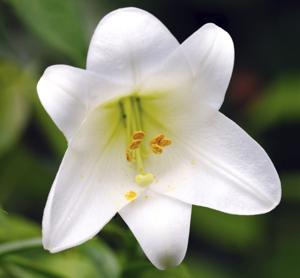 Philippine Lily
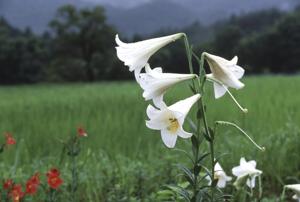 Queen of the Lilies
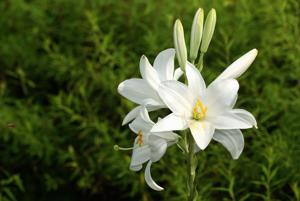
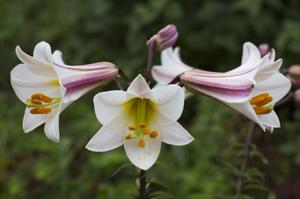 These flowers are usually seen in colors of white, and when mixed with another kind, can produce other shades like pale yellow. Their trumpet-shaped heads are what makes them a unique kind amongst the many groups, where they bloom well during the early or midsummer seasons. Partial sunlight works just fine for these hybrids, where alkaline soil is well tolerated; they grow well as potted plants. While they aren't accustomed to being grown indoors, the Easter Lily in particular can be nurtured with great care to blossom in one's home. They're fragrant too, making them a much-needed garden addition. Other hybrids that fall in this group:
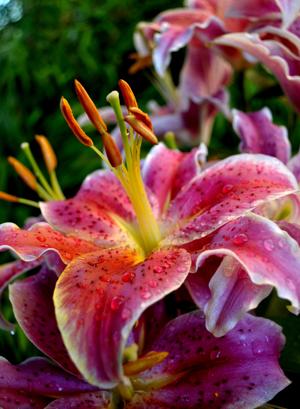 Stargazer Lily
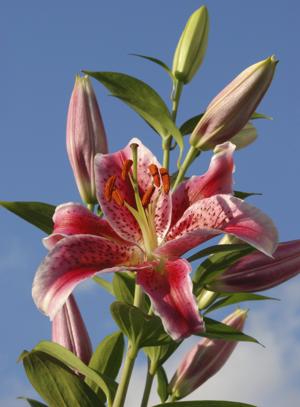 Nothing like a little oriental splendor in one's garden - this group is not a hybrid that is easy to grow in one's garden, but the sight of them can make any green-thumb enthusiast go weak in the knees. While they are an exotic kind of lily, they are nonetheless a possible addition to any garden location. If you're lucky to get your hands on these seeds, then you're in for a treat. Some varieties are easier to grow than others, where they do well in rich hummus soil that is acidic in nature - they thrive during the mid- to late-summer seasons. These flowers can sometimes reveal yellow stripes along the petal surface or a generous show of red spots. They require a good helping of water every so often, and adequate mulch. With great care and attention, the oriental hybrids promise to impress passersby. Other hybrids that fall in this group:
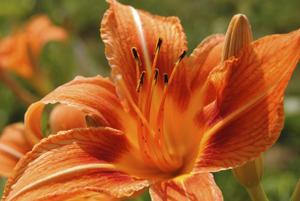 Madonna Lily
 Carniolicum Lily/ Golden Apple
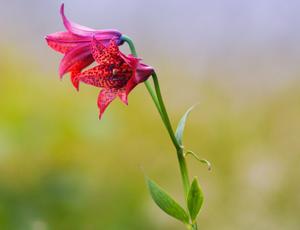
 The flowers are a breathtaking variety of colors that range from yellow-orange to crimson, and tan to pale yellow. While white varieties are a common feature with a wax-like glean that is evident, the colorful hybrids are a gladdening sort. They can withstand cold weather conditions and do quite well during the fall season, where they can be planted to produce low evergreen leaves before they're in full bloom. Candidum lilies also fair well during the early and midsummer seasons and need semi-alkaline soil when planted. Other hybrids that fall in this group:
 Michigan Lily
 Alpine Lily
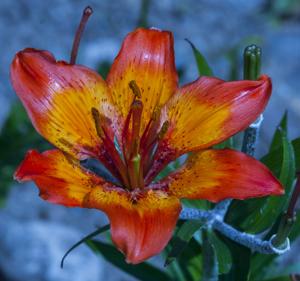 Leopard Lily
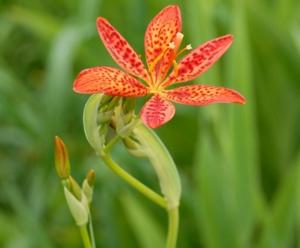 Columbia Lily
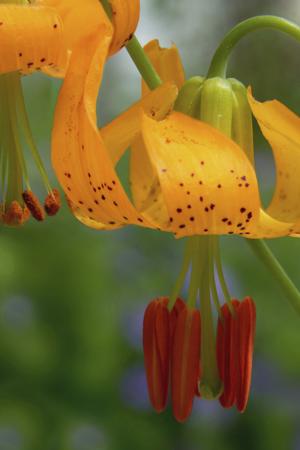 Lemon Lily
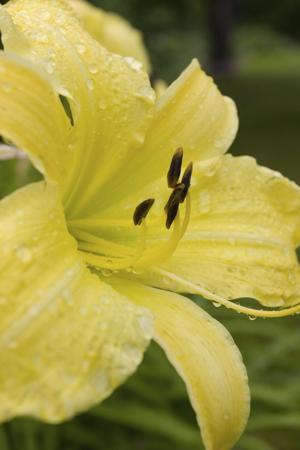 Red Canada Lily
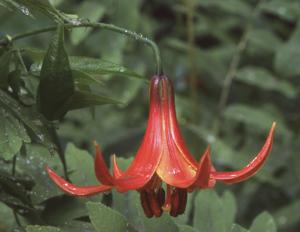 Swamp Lily
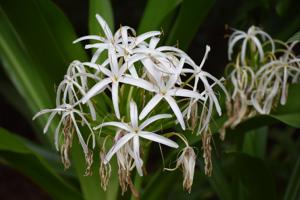 Wood Lily
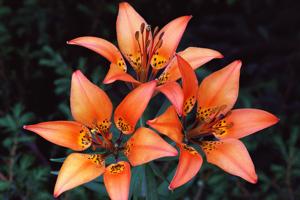 Snake Head Fritillary
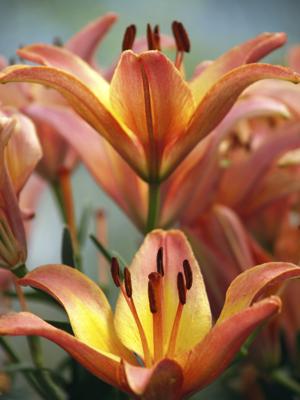
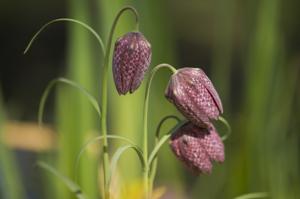 These lilies grow especially well in extreme heat conditions in a partial shade setting. The colors of these hybrids are an exuberant array of fiery reds, oranges, and yellows, wit the odd white variety. The flowers are sometimes either funnel-shaped or recurved, where they grow well during the early to midsummer seasons - they need to be planted in acidic soil. While they're known to grow amok once planted, the task of taking care of them initially is a tad tough but eventually worth it. Other hybrids that fall in this group:
Copyright © www.100flowers.win Botanic Garden All Rights Reserved