Seeds are the fundamental unit of plant reproduction — and human civilization. From the grains that built empires to the heirloom tomatoes in your garden, understanding seed types empowers better growing, cooking, and conservation choices. This guide navigates the complex world of seed classification, moving beyond simple "vegetable vs. flower" categories into the distinctions that actually matter for germination, genetics, and end use.
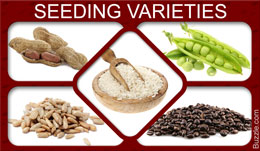
Fundamental Biological Classification
By Reproductive Strategy
- Angiosperm seeds (enclosed): Flowering plants — seeds develop within ovary (fruit). Includes all vegetables, fruits, grains, most flowers.
- Gymnosperm seeds (naked): Conifers, cycads, Ginkgo — seeds exposed on cone scales. Not typically grown from seed by home gardeners.
- Spores (non-seed): Ferns, mosses, fungi — single-celled, no embryo or stored food. Different propagation entirely.
By Seed Structure (Monocot vs. Dicot)
| Feature | Monocots (1 cotyledon) | Dicots (2 cotyledons) |
|---|
| Examples | Corn, wheat, rice, grasses, lilies, onions | Beans, tomatoes, peas, sunflowers, oaks, roses |
| Seed leaves | One, often narrow | Two, often broad |
| Root system | Fibrous | Taproot (usually) |
| Leaf venation | Parallel | Netted |
Practical Classification: How Seeds Are Marketed and Used
1. By Genetic Origin — The Most Critical Distinction
Open-Pollinated (OP)
- Pollinated naturally (wind, insects, self)
- Breed true: saved seed produces same variety
- Includes all heirlooms + modern OP varieties
- Essential for seed saving
Heirloom (Heritage)
- OP varieties passed down ≥50 years (definitions vary)
- Often regionally adapted, exceptional flavor
- No legal definition — verify source reputation
Hybrid (F1)
- Controlled cross of two distinct parent lines
- Uniform, vigorous, often disease-resistant (heterosis)
- Do not breed true — saved seed segregates unpredictably
- Must repurchase annually for consistent results
- Not GMO — traditional breeding technique
Genetically Modified (GMO/GE)
- Lab-inserted genes from unrelated organisms
- Primarily commodity crops: corn, soy, cotton, canola, sugar beet, alfalfa
- Not available to home gardeners (contractual restrictions)
- Distinct from hybrid — different technology entirely
2. By Intended Use — Overlapping Categories
Planting Seeds (Propagation)
- Vegetable seeds: Annual/biennial food crops (tomato, bean, carrot, lettuce)
- Fruit seeds: Perennial woody plants (apple, peach, berry) — often grafted, not seed-grown
- Flower seeds: Annuals, biennials, perennials for ornamental use
- Herb seeds: Culinary/medicinal (basil, parsley, echinacea)
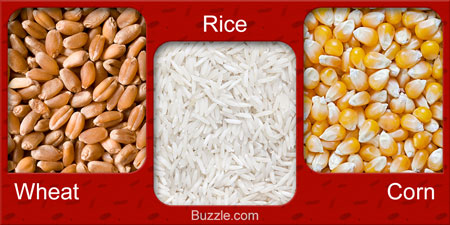
- Grain/Cereal seeds: Staple crops (wheat, corn, rice, barley, amaranth)
- Cover crop/Green manure: Soil building (clover, vetch, rye, buckwheat)
- Lawn/Grass seeds: Turf species (fescue, bluegrass, Bermuda, zoysia)
- Native/Wildflower seeds: Ecological restoration, pollinator habitat
Edible Seeds (Direct Consumption)
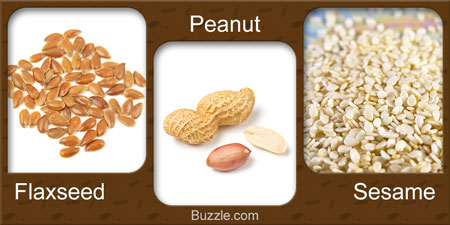
- Raw edible: Sunflower, pumpkin, sesame, hemp, chia, flax, pine nuts
- Require cooking: Beans (kidney, pinto, black), grains, quinoa, amaranth
- Sprouting seeds: Alfalfa, broccoli, radish, mung bean, lentil — eaten at germination
- Beverage seeds: Coffee, cacao, tea (Camellia), guarana
- Spice seeds: Coriander, cumin, fennel, mustard, cardamom, pepper
- Oil seeds: Canola, sunflower, safflower, flax, perilla
Feed Seeds
- Bird seed: Sunflower (black oil, striped), millet, nyjer, safflower, cracked corn
- Poultry/Livestock: Corn, soy, wheat, barley, sorghum, field peas
- Wildlife plots: Clover, chicory, brassicas, grain mixes
3. By Treatment/Processing
- Raw/Untreated: No chemical coating — preferred for organic
- Treated: Fungicide/insecticide coating (colored) — prevents damping-off
- Pelleted: Clay-coated for uniform size — easier mechanical/hand sowing
- Primed: Pre-hydrated to germination threshold — faster, more uniform emergence
- Inoculated: Legume seeds coated with Rhizobium bacteria for nitrogen fixation
Seed Quality: What Actually Matters
Germination Rate vs. Vigor
- Germination %: Legal minimum on packet (e.g., 75% for tomato)
- Vigor: Speed, uniformity, stress tolerance — not on label
- High vigor = better stands, earlier harvest, disease resistance
Purity and Weed Seed Content
- Analysis label shows: pure seed %, other crop %, weed seed %, inert %
- Noxious weed seeds listed separately — should be zero
Freshness: The Hidden Variable
- Most vegetable seeds viable 2-5 years if stored cool/dry/dark
- Onion, parsley, parsnip: 1 year only
- Test old seed: 10 seeds in damp paper towel, count sprouts in 7-14 days
Selecting Seeds for Your Context
For Seed Savers
- Choose OP/heirloom varieties
- Understand isolation distances (prevent unwanted crossing)
- Learn wet vs. dry seed processing
- Store at 40°F, <40% RH in airtight containers
For Beginners
- Start with large, fast seeds: beans, peas, squash, sunflower, radish
- Hybrids OK — more forgiving, uniform
- Buy from regional seed companies (adapted varieties)
For Specific Climates
- Short season: Early-maturing, cold-tolerant varieties
- Hot/humid: Disease-resistant (especially fungal) varieties
- Arid: Drought-tolerant, deep-rooted types
- Cool maritime: Bolt-resistant, powdery mildew resistant
Ethical and Ecological Considerations
- Support regional seed companies — they maintain adapted genetics
- Avoid invasive species — check state noxious weed lists
- Consider organic seed — supports chemical-free production systems
- Participate in seed swaps/libraries — builds community resilience
- Respect PVP (Plant Variety Protection) — don't propagate protected varieties commercially
Seeds carry genomes, histories, and futures. Whether you're selecting a tomato variety for flavor, a cover crop for soil health, or sunflower seeds for snacking, understanding the type in your hand transforms you from a consumer into a participant in the ancient, ongoing dialogue between plants and people. Choose with intention — what you sow shapes what grows, on your plate and in the world.


