


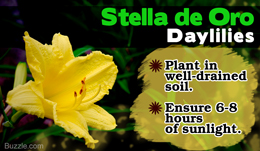
 Stella de Oro belongs to the daylily genus Hemerocallis. This name is derived from the Greek term 'Hemera', meaning 'day', and 'kallos', meaning 'beauty'.Having a plush landscape of flowers is a beautiful sight to see. Many who love gardening know the beauty of daylilies, and I bet every plant lover has at least one species of this family blooming in their gardens. Among the species of the daylily flowers, the Stella de Oro makes a favorite. What makes this flower so interesting?
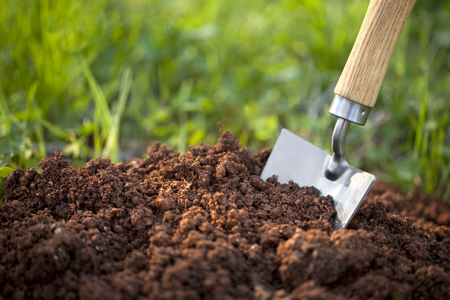 These plants do not need any specific kind of soil, they grow well in any type of soil. But yes, they need a bed with well-drained soil. The soil should have a pH level between 6 and 6.5, which should make it neutral to slightly acidic. Adding manure to the soil to a level of 2 - 4 inches can benefit their growth. Some regions may have acidic or basic soil, in these cases, you can get a soil test done. To balance the soil, you can add lime if the soil is acidic, or sulfur, depending on the pH level of the soil. These lilies need 6 to 8 hours sunlight everyday. They can survive bright light, however, they require a little shade during sunny and hot afternoons.Watering
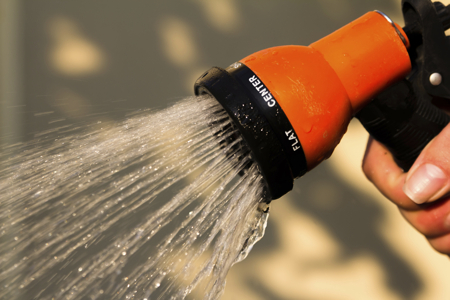 Make sure the soil is immediately moistened after the planting is done. After planting daylilies, watering them at least once a week is advised, until the plants are well established, and there is new and healthy growth. After they grow well, water them often in case of insufficient rainfall. In the blooming season, increase the frequency of watering these daylilies.Mulch
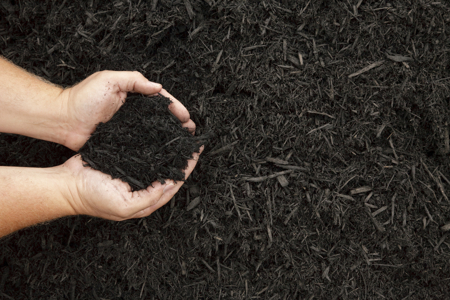 For daylilies, it is advised to use a 2 - 3 inch-layer of mulch. This benefits the soil by combating the growth of weeds, and also moderates the temperature of the soil. Use an organic mulch like shredded bark, leaves, and pine needles, as they will enrich the soil with decomposition, and also enable good drainage. You might want to refill the mulch as it decomposes, or is displaced because of the wind.Nourishing and Fertilization
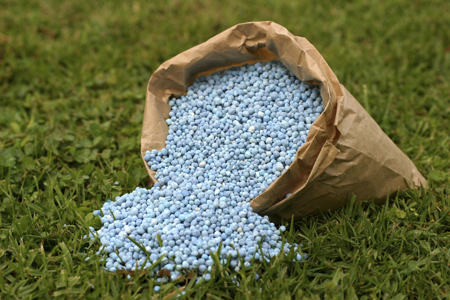 Fertilization of these flowers should ideally be done between early spring to mid-summer, as soon as you see new growth. The soil should be moist during the application of fertilizers. Opt for slow-release fertilizers that contain a moderate concentration of nitrogen and a high concentration of phosphorous. Dig the soil around the plant and mix the fertilizer with loose soil. Remember to water the soil after fertilization. Adding fertilizer twice a year will give abundant growth and bloom. So, fertilize in spring and then repeat in mid-summer. For good growth of the plant, you can also add organic compost or peat moss at the time of plantation.Grooming
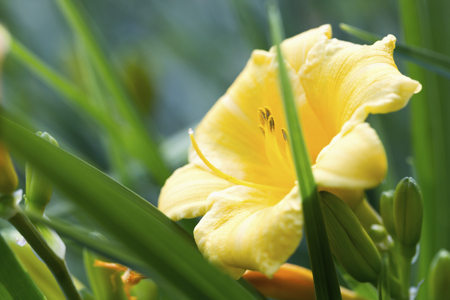 Pruning the flower stalk is advised if there is no blooming. This will promote new growth. Pinch the flower stalks at ground level. Remove any dead foliage and leaves from the plant regularly. Regularly remove the day's blooms. The bloom-scape should be trimmed to a few inches above the soil at the end of the blooming season. These lilies propagate themselves when the dead flowers drop to the soil, producing new plants from the seeds.DividingStella de Oro daylilies can go years without division. These plants can be best divided in fall to early spring. A sign that the plant needs division is - the flowering may decrease or the size of the flower may also decrease. It means that the soil is crowded, and the flower has exhausted and needs space.
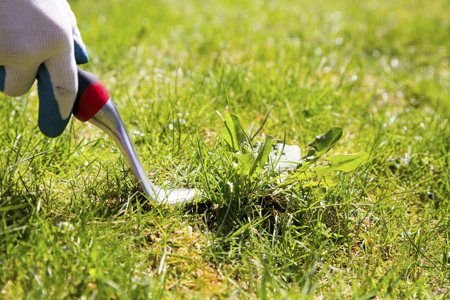 Weeds surrounding daylilies need to be removed immediately, as they suck up all the nutrients in the soil. Pests are unhealthy for the plant too. You might want to keep a check on some common pests that infiltrate these flowers, like slugs, aphids, spider mites, and snails. If the pest problem is grave, consider using a pesticide on the plant. Following these simple tips and procedures, rest assured, the Stella de Oro will bloom at its best.
Copyright © www.100flowers.win Botanic Garden All Rights Reserved