


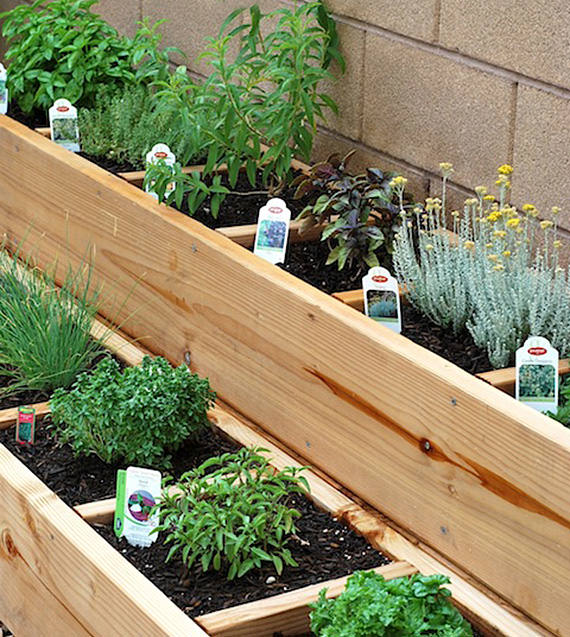
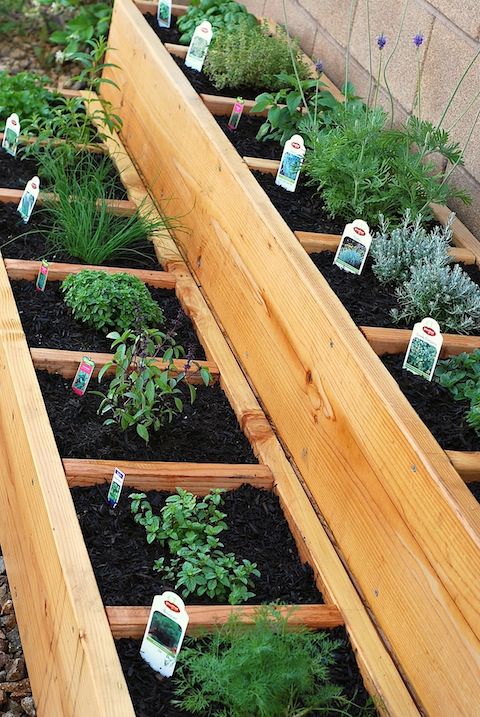
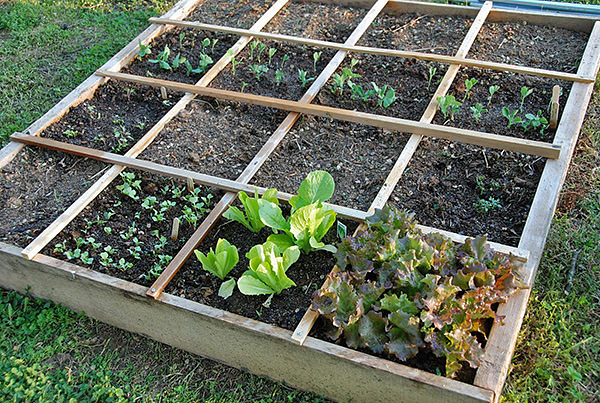
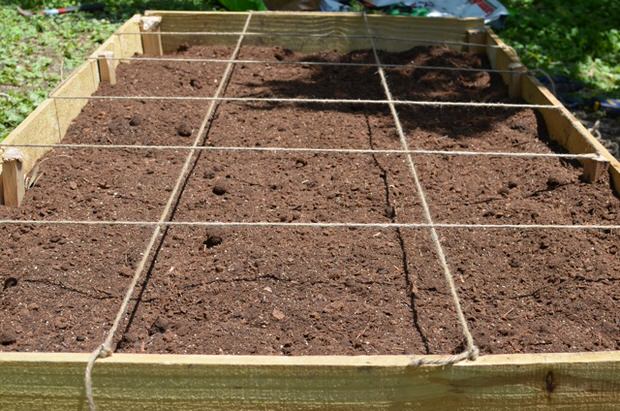
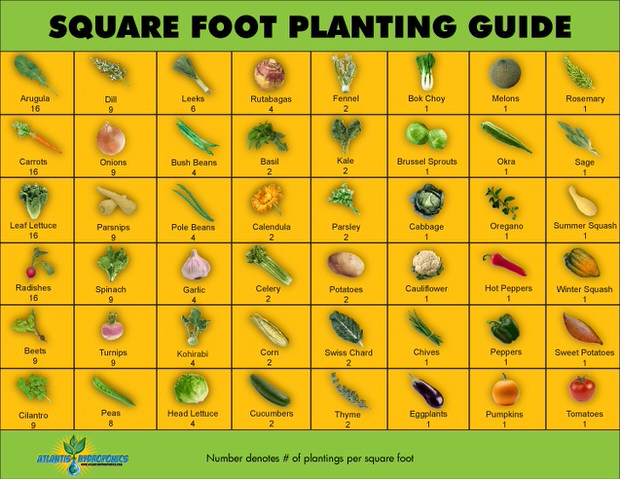
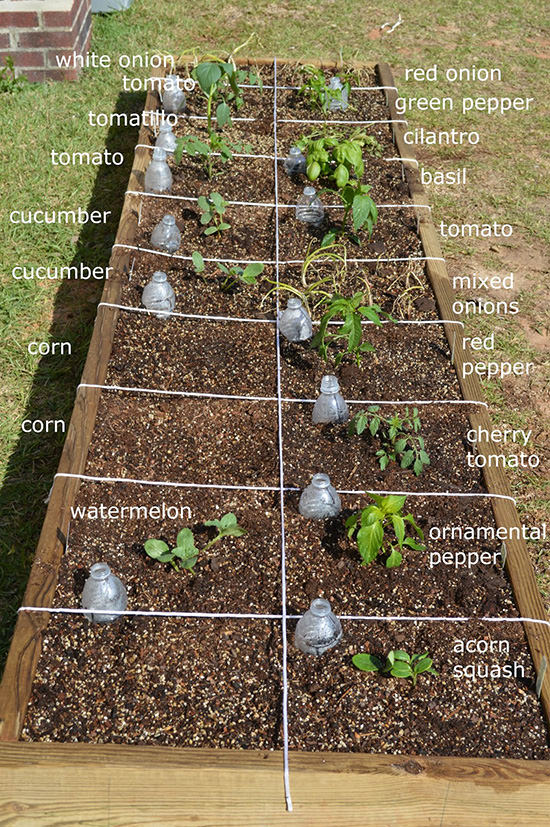
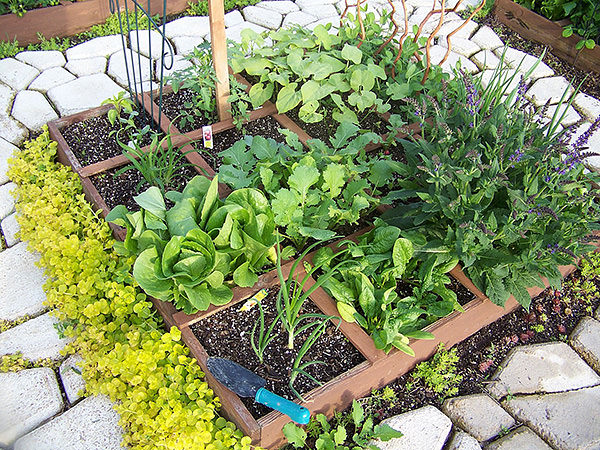
Square foot gardening (SFG) replaces rows with a 1-foot grid, packing more harvest into less space with less work. Ideal for vegetables, herbs, and greens, it’s perfect for beginners and small yards. Here’s the streamlined method.
Share your SFG experience in the comments!
10 Steps to Spring Garden Prep Success
Square Foot Gardening: Maximum Yield in Minimum Space
How to Grow a Vegetable Garden in Three Simple Steps
Square Foot Gardening: Grow More in Less Space
5 Easy Plants for a Romantic Entry Garden
30-Minute Garden Container Project: Sectioned Crate with Stones & Succulents
Essential Organic Gardening Tips for a Thriving Garden
Protect Your Garden in a Heat Wave: 8 Proven Strategies
Japanese Garden Plants: Essential Trees, Shrubs & Groundcovers for Authentic Design
Shade Garden Plants: Thriving in Low Light
Plan Your Vegetable Garden Early: The Blueprint for a Bountiful Season
4 Easy Steps to Start Your Own Vegetable Garden
Don't Build Square Foot Gardening Beds—Buy Vinyl Raised Beds Instead
Copyright © www.100flowers.win Botanic Garden All Rights Reserved