


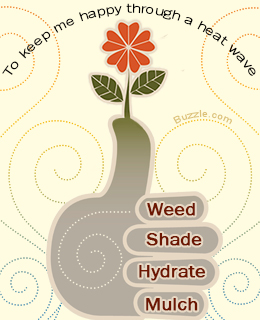
 Did you Know...... that the growth and nutrient requirement of plants decreases naturally during summer, and all they need is a bit of TLC to carry them through the harsh conditions.Gardens provide a cool, breezy space perfect for relaxation and a bit of me-time. Unfortunately, extreme weather conditions and record-breaking temperatures - a common occurrence these days, have the potential to wreak havoc on your garden.
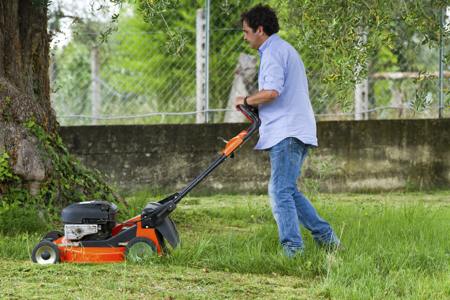 It is a good idea to keep the grass longer during the summer months. This has three advantages - two that are good for the garden, and one that is good for you. First, the longer leaf blades will help the soil retain moisture by shielding it from the sun. Two, it will keep the garden cooler, reducing the impact of the blazing sun. And three, it will cut your mowing time.
 Pruning might stimulate new growth, which is fine and dandy during spring, but the tender shoots and leaves become much more vulnerable to the elements. Limit it to only the dead, infested or decaying parts. A dead branch or a bunch of brown, rotting leaves are perfect candidates for pruning. Use a disinfected blade, as a new cut is an ideal entry point for bugs and pests. You may keep a few dead leaves near the roots, but do make sure they are rot-free. If you have an overgrown shrub or tree, prune it long before the high temperatures set in. The best time to prune a tree is during late winter, just before spring sets in.Construct a Sun-Screen
 The most important step to protect your garden would be to create a barrier between the hot sun and the plants. While most established, native plants may not need the shade, potted plants and newly established trees will need some protection. The shading will also reduce water loss through their leaves, as plants, like us, 'perspire' to stay cool. This also means the plant will need much less water to stay hydrated, an important consideration if you are facing a drought.
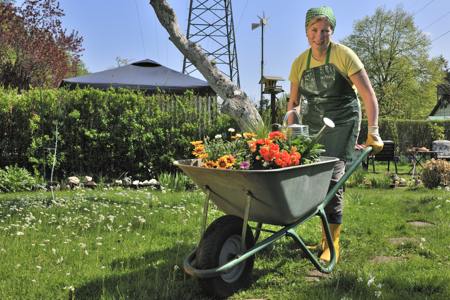 Once the canopy is set, move the delicate plants to the shade. You can also utilize the shade of tall trees or plants, or the house itself. Make sure you group the plant in a cozy manner, meaning they should be huddled closely, but have enough space to grow and breathe. Placing the plants closely will further lower the temperature around them and increase the humidity. Try to place the most delicate ones in the center, with the tougher ones around the edges.Get Rid of Weeds
 Weeds steal all the precious moisture and nutrients from your plants. Plus, they are hardy and manage to thrive even through the worst of conditions. Even worse, they attract pests, diseases and infections making your plants even more susceptible.
 Mulch helps the soil retain moisture by reducing evaporation of water. This means the plant will require much less water to thrive. It also suppresses the growth of most weeds and provides the plants or shrubs with nutrients. Mulch is an efficient organic and fully natural substitute for both, herbicides and fertilizers.
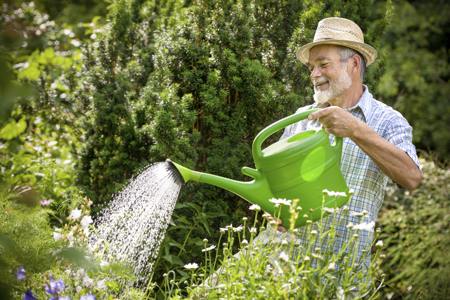 Water in the morning, before the heat sets in, ideally before 10 AM. This will make sure the plants stay hydrated during the sweltering heat and will also help in keeping the temperatures down. The next best option is late afternoon, after the worst of the heat is over, but before evening. This will ensure that the leaves stay dry during the night, which happens to be the preferred time for a fungus to take roots. Also, try to not get the leaves wet if you are watering after 5 PM.
 Disturbing the soil at this time will only release the trapped water. You want this moisture to stay in the soil to hydrate your plant as well as to keep the temperatures down. So do not carry out any activity which might disturb the soil, such as digging, weeding, planting or transporting plants. The newly transported plants or young seedlings are much more susceptible and vulnerable. If you have weeds, just cut off their heads, instead of pulling them out, so as not to disturb the soil surrounding them.In short, the best to protect your garden during a heat wave is to disturb it as little as possible, while ensuring that it is well-hydrated, cool and the plants have sufficient nutrients.
Copyright © www.100flowers.win Botanic Garden All Rights Reserved