


No matter where you live, being water-wise is smart gardening. In drought-prone areas, it's essential. While hydrangeas and roses are gorgeous, plenty of flowering plants don't drain water resources. These ten perennials for low-water gardens are beautiful as stand-alone plants and return yearly! (Perennials may die back in cold winters but return in spring.) At TGG, we have a high desert garden, so we've grown most of these or have direct experience—watch for our tips to help them look their best! These grow in most U.S. areas. Here are our picks!
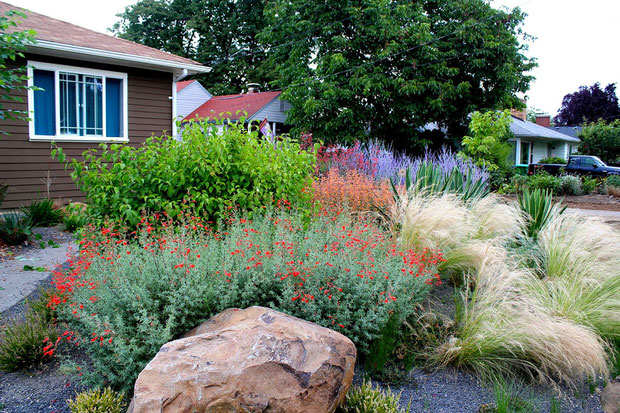
Photo by 'Creative Landscapes' showing red penstemon, Russian sage, and ornamental grasses.
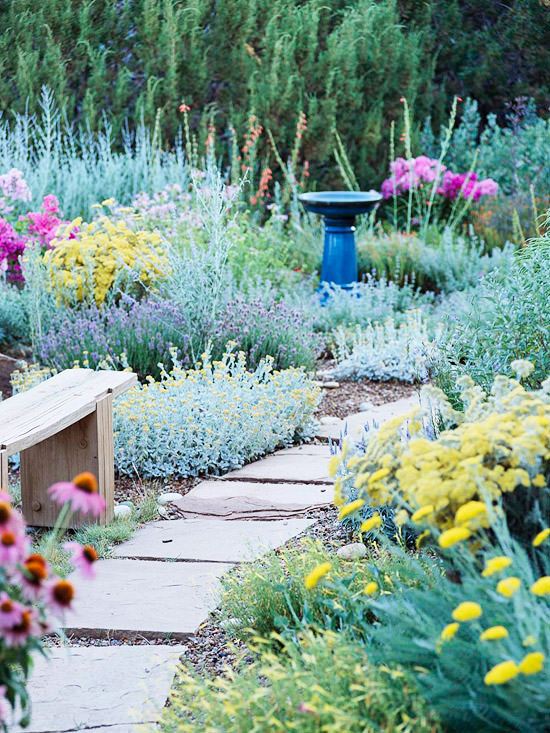
Photo by 'BHG' showing yarrow and coneflower foreground, Russian sage background.
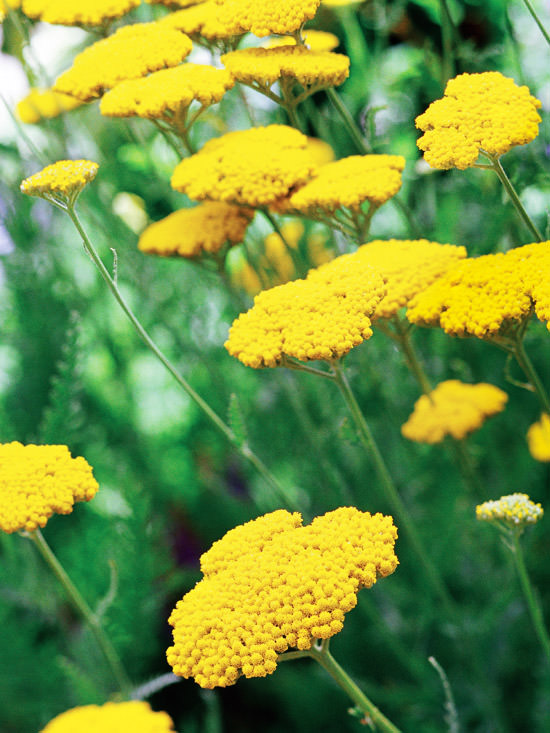
Long a favorite for strong architectural feel, long bloom time, low water needs, and attractive feathery foliage. Many varieties (pink, red, coral, white), but bold yellow 'Coronation Gold' is our favorite. Grows to 3 feet, great cut/dried flower, brightens any garden. Blooms all summer, full sun. Very easy.
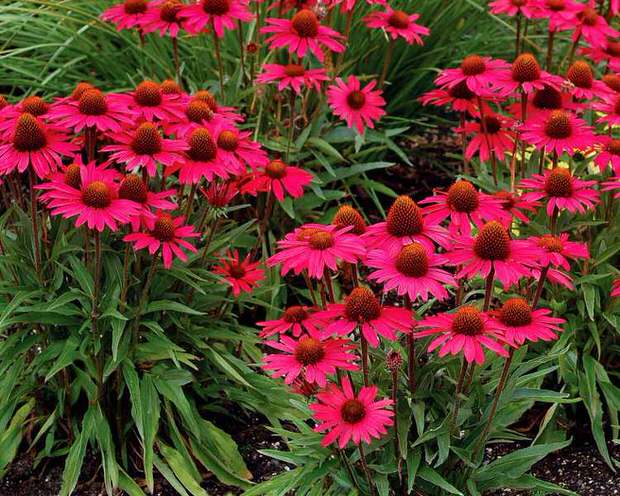
From wildflower to top perennial thanks to amazing hybrids. Minis (1 foot) to 4-foot varieties in every color from purple to white to green and sunset shades. Generally bloom mid-summer through fall (some start June). Full sun. Butterflies and birds love them! Great cut flower. Too many to pick one favorite, but 'Glowing Dream' is smaller at 18 inches, works in beds or containers, with incredible watermelon pink color!
TGG Tip: Cut back old flowers a couple times weekly for more blooms and neater plants.
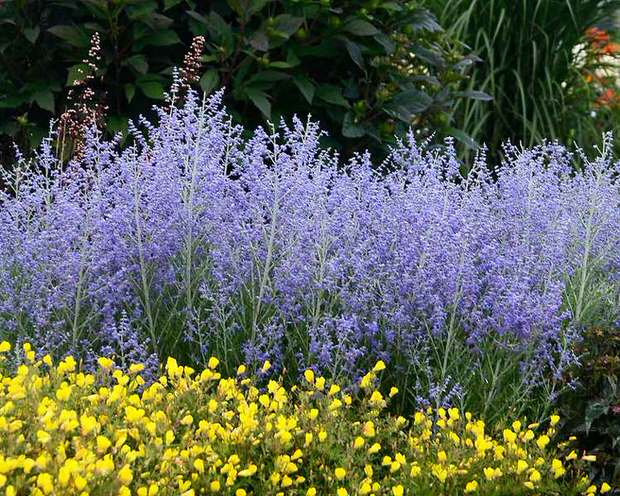
We love Russian sage—tough, beautiful blue backbone of drought-tolerant gardens. Note "prolific"—species gets large fast, requiring frequent cutting back (do in late fall, to 1 foot). Dwarf 'Peek-a-Blue' gives advantages with less downside. Amazing next to black-eyed Susan or yellow yarrow. Full to mostly sunny. Blooms mid-summer through fall.
TGG Tip: If larger version gets too big by mid-summer, cut back by two-thirds—it rebounds quickly for another late-summer flush.
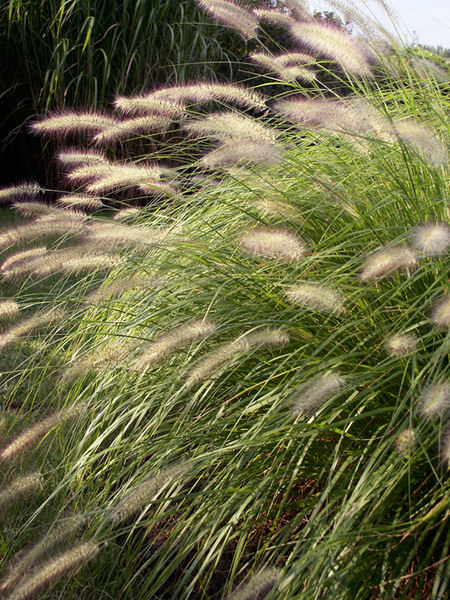
Ornamental grasses vary from thirsty sedges to drought-tolerant fountain grass. Our pick: 'Hameln'—well-behaved, neatly mounded with fine strappy foliage, 2 feet tall with white plumes early-mid summer. Easy in full sun, loves hot, dry spots. Doesn't reseed.
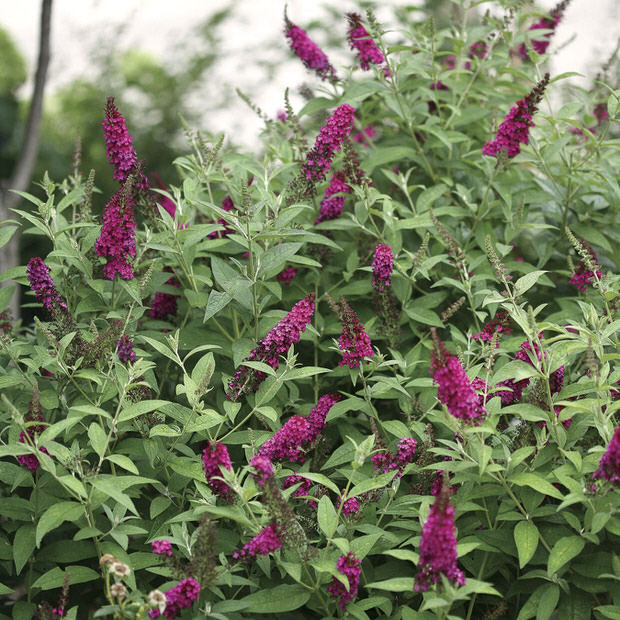
Controversial—some call it invasive. If invasive in your area, don't plant. But in many areas, especially arid western regions, it's an amazing landscape plant offering size and bloom in one season. Butterflies and hummingbirds love it, gorgeous in bloom, important nectar source. Check with local nursery if it's a pest in your area. Plant a cultivar, not the species. Cut flowers before they seed to prevent spread. Our choice: 'Miss Molly' for near-red blooms.
TGG Tip: Grows to 6 feet, but in late winter cut back to 1–2 feet. By June, you'll never know, and it repays with healthier plant and better blooms.
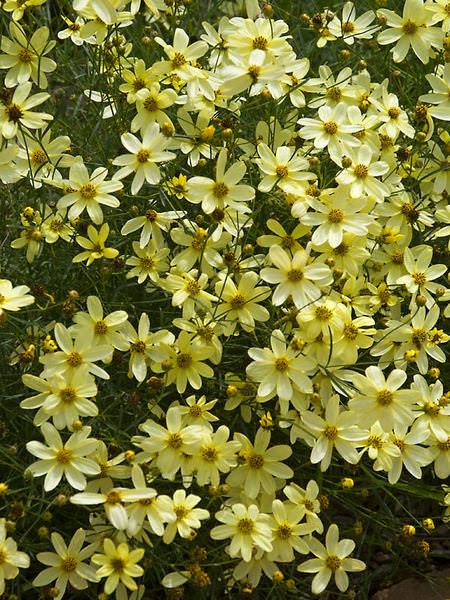
Happy, sunny daisy-like flower for hot, dry spots, blooming spring through fall. Several cultivars exist (including pink), but 'Moonbeam' has buttery yellow blooms. Full sun to part sun, 18 inches tall.
TGG Tip: Instead of deadheading individually, shear back ⅓ with garden shears—quickly reblooms.
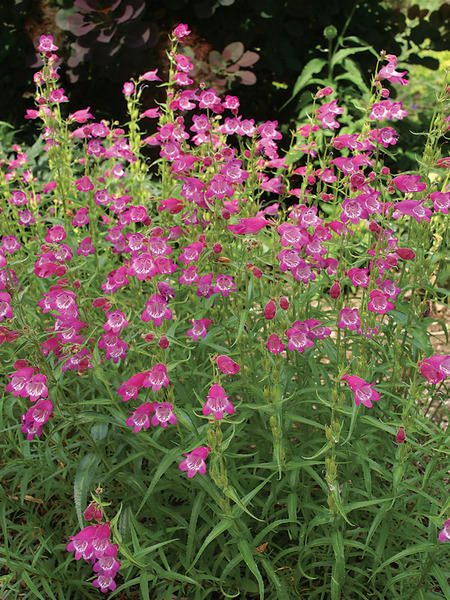
Native wildflower, many cultivars in reds, blues, pinks. Tubular flowers over semi-evergreen foliage—garden winner with coveted awards. Full to part sun, likes well-drained soil, blooms all summer. 18 inches to 2½ feet depending on variety. Hummingbirds can't resist! Our favorite: 'Red Rocks'.
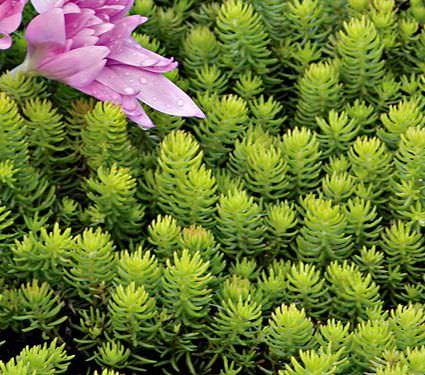
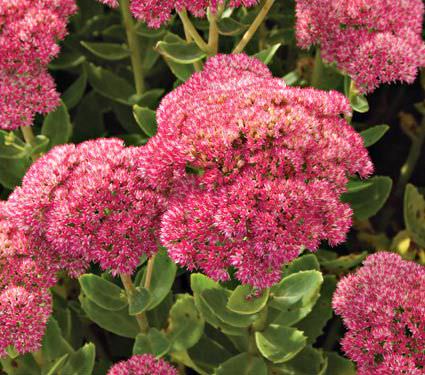
Fleshy leaves tolerate low water; star-shaped flowers cover plants late summer through fall. Two types: creeping sedums (amazing ground covers) and upright sedums (perfect for late-summer garden freshness). Upright varieties last into early winter for four-season interest; birds love them! Full sun to part sun. Favorite creeping: 'Angelina'—fresh green to yellow-green with yellowish flowers mid-summer, 4 inches high, spreads well but easy to remove. Upright choice: 'Autumn Joy'—flat pink flowerhead to 2 feet, flowers turn rust as season progresses, amazing with ornamental grasses in fall.
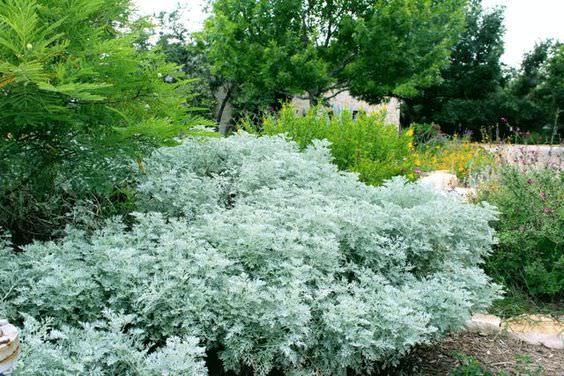
Near-perfect plant, grown mainly for foliage. Tolerates low water, poor soil, high humidity. Ferny, grayish-green leaves are perfect backdrop for flowering plants. Once established, needs very little water, very pest-resistant. Full sun to part shade. 'Powis Castle' grows into 3-foot mound. Aromatic.
TGG Tip: Flower stalks insignificant—cut off any that appear. Photo from 'Knibb Design'.
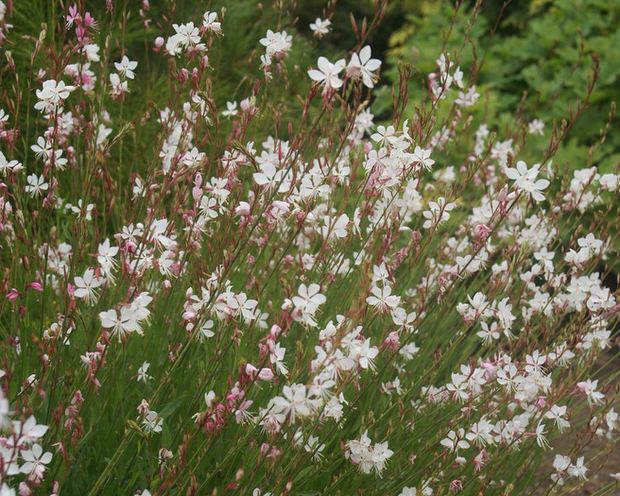
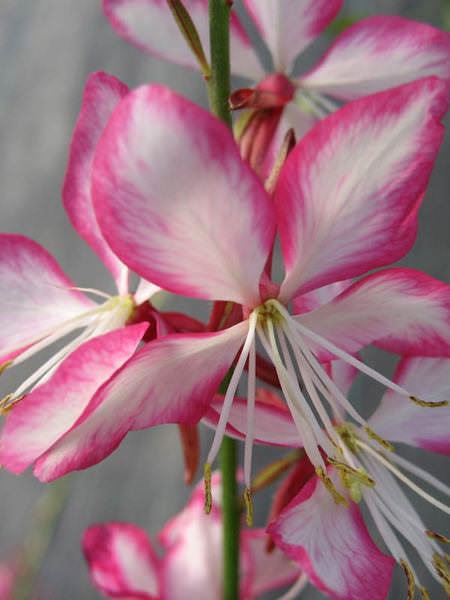
New favorite, used in high desert high-end gardens as elegant, modern color pops. Butterfly-shaped flowers held up to 3 feet on wand-like stems all summer. Needs good winter drainage. Tap root—be happy with placement before established. 'Whirling Butterflies' (mostly white with red sepal touch), but we love 'Siskiyou Pink' and 'RosyJane' too! Full to mostly sunny. Hummingbirds and butterflies love this!
If you can't make a drought-tolerant garden gorgeous with these picks, we can't help you! Have a favorite low-water plant? Comment!
Perennial Garden Design: Bloom Succession for Season-Long Color
Designing a Family-Friendly Garden for Young Children
Designing a Wildlife Pond Planting Plan: Seasonal Interest and Ecological Value
Creating Stunning Bog Gardens: Natural & Constructed
10 Solutions for Soggy Soil: Turn Wet Gardens into Lush Oases
Easy DIY Container Water Gardens: Mini Ponds for Any Patio
Annuals vs. Perennials: Choosing the Right Plants for Your Garden
Garden Ponds as Living Classrooms: Education Meets Ecology in Britain
Landscape Irrigation Surrey: Porous Pipe Systems for Beautiful, Low-Maintenance Gardens
Smart Design Ideas to Maximize Small Garden Spaces
Effective Animal Repellents for Gardens: A Complete Guide
Effective Deer Deterrents for Your Garden: Fencing, Sprays, and Plant Choices
Plans for Cutting Gardens: Two Designs for Summer-to-Fall Bouquets
Preparing Perennials for Winter: Mulching, Cleanup, and Planning Ahead
Copyright © www.100flowers.win Botanic Garden All Rights Reserved