


Native sedges (Carex spp.) offer subtle, grass-like beauty and critical ecological function: shading soil to suppress weeds, retaining moisture, and providing habitat for insects, amphibians, and spiders. Sprengel's sedge (Carex sprengelii), also called long-beaked sedge, is one of the most adaptable native sedges.
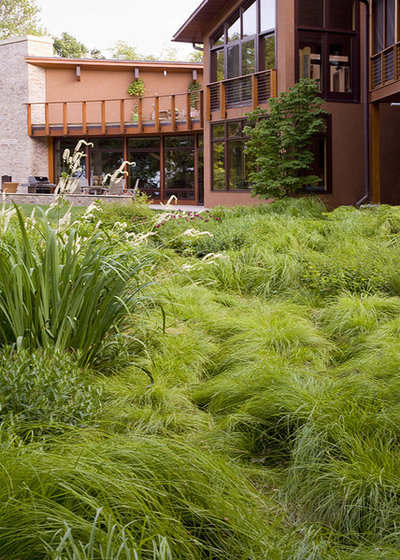
Quick Facts
Cool-season grower: emerges early in spring with a second flush in fall. Well-behaved clumper; seed heads weigh down leaf tips, creating a slightly arching, undulating form. Attractive before and after bloom. Color shifts to chartreuse in sun, darker green in shade. Naturally found in fertile, moist upland woods but highly adaptable.
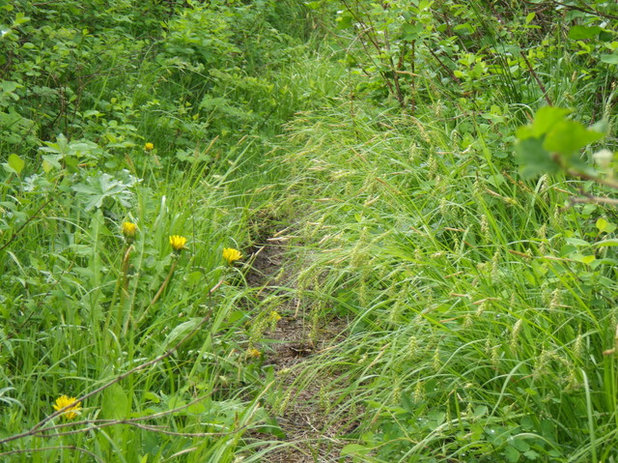

Photo by Matt Lavin
More:
Browse more grass guides on Houzz
Browse plants native to other U.S. regions
Great Design Plant: Bush Anemone (Carpenteria californica 'Elizabeth')
Great Design Plant: Partridge Feather (Tanacetum densum ssp. amani)
Paddle Plant (Kalanchoe luciae): A Striking Succulent for Gardens and Containers
Aeonium: Rosette Succulents with Dramatic Colors for Mild Climates
Veronica (Speedwell): Versatile Perennials for Sun, Shade, and Everything Between
Fan Aloe: A Sculptural Succulent for Dramatic Garden Structure
Peonies: The Old-Fashioned Perennials That Bloom for Generations
Globe Mallow: A Resilient Desert Beauty for Gardens
Dahlias: The Garden Divas That Master Every Disguise
True Lilies: A Guide to Lilium Species and Hybrids
Copyright © www.100flowers.win Botanic Garden All Rights Reserved