1. Home
  2. Question and Answer
  3. Houseplants
  4. Garden Articles
  5. Most Popular Plants
  6. Plant Nutrition

Backyard Birds: How to Attract and Support Hummingbirds in Your Garden

Hummingbirds—dazzling, aerial jewels found only in the Americas—transform any garden into a theater of motion and color. With over a dozen species summering in North America, learning to support these tiny dynamos connects your yard to a hemisphere-spanning web of migration and pollination.
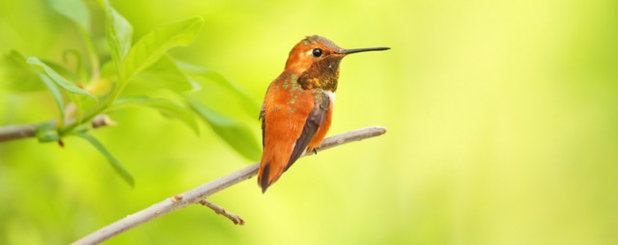
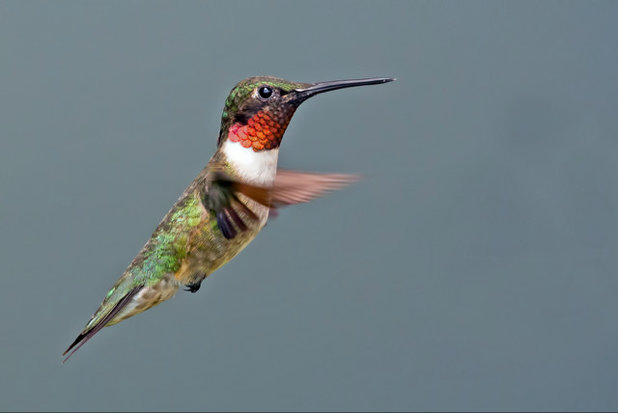
Male rufous hummingbird
Male rufous hummingbird. Photo by Tim J. Hopwood

Hummingbird Basics

  • Order: Apodiformes ("without feet"—how they appear most of the time)
  • Common yard species: Ruby-throated (Archilochus colubris), black-chinned (A. alexandri), Anna's (Calypte anna), rufous (Selasphorus rufus)
  • Distribution: East of the Mississippi: primarily ruby-throated. West: black-chinned, Anna's, rufous, and 8+ others. Texas, New Mexico, Arizona host the highest diversity.
  • Habitat: Open landscapes—yards, gardens, edges. Least common in dense forests.
Male ruby-throated hummingbird
Male ruby-throated. Photo by Brian Kushner
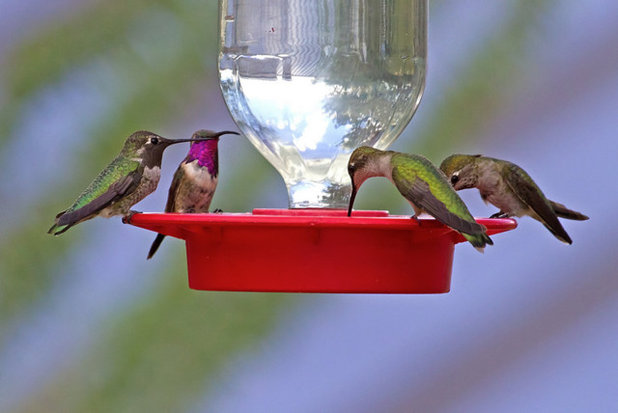
Multiple hummingbirds at feeder
Rare multi-male feeder gathering in Sierra Vista, AZ. Photo by Lois Manowitz

Migration Marvels

Despite weighing less than a penny (calliope hummingbird: 3 inches, 0.1 oz), these birds undertake staggering migrations. The rufous hummingbird flies ~3,900 miles one-way from Alaska to Mexico—78 million body lengths. Routes vary by species, region, and even season, with climate shifts altering timing and resource availability.

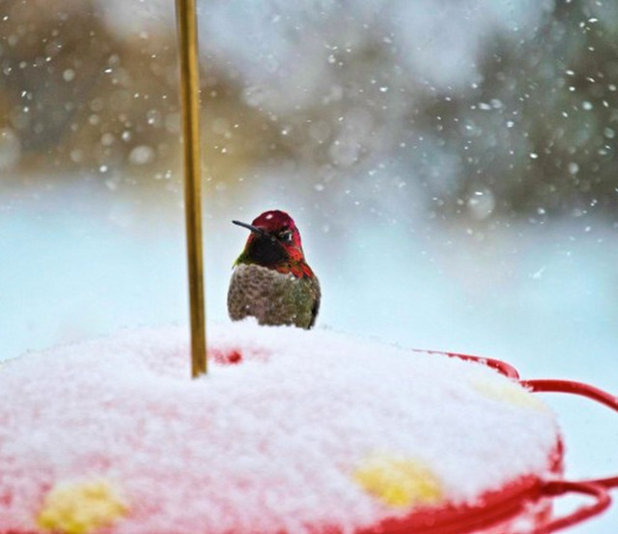
Most species retreat south in autumn, but Anna's hummingbirds have expanded their year-round range from California to British Columbia since 1960, capitalizing on feeders and winter-blooming plants.
Rufous hummingbird migration
Rufous hummingbird. Photo by Christy McFadden
Anna's hummingbird
Anna's hummingbird. Photo by Mike Wisnicki

Identification Tips

  • Males of the four common species are brightly colored; females are predominantly grayish and extremely difficult to distinguish where ranges overlap.
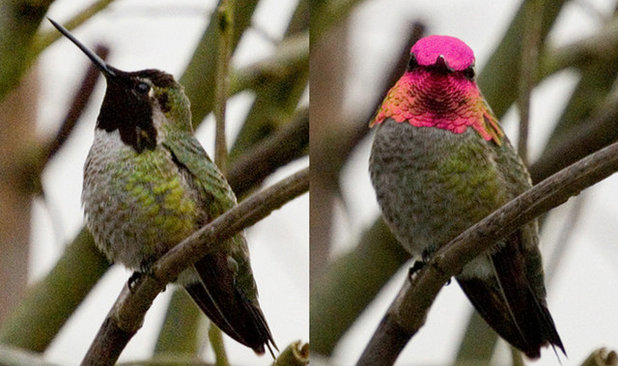
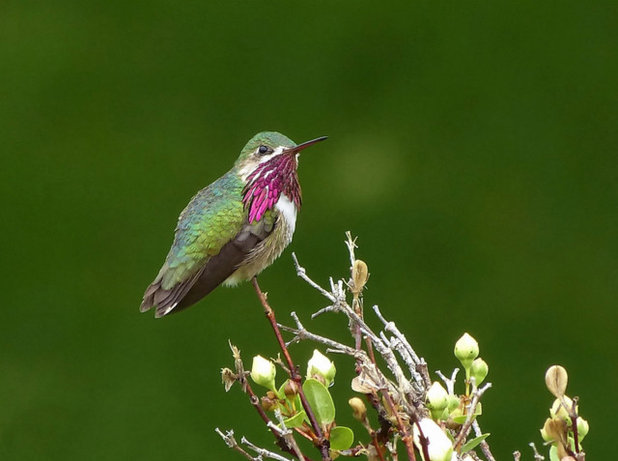
  • The male's iridescent throat patch is called a gorget. Anna's gorget extends over the head. Iridescence shifts dramatically with viewing angle—two photos seconds apart can look like different birds.
Male calliope hummingbird
Male calliope, North America's smallest bird. Photo by Metadata Man
Anna's hummingbird gorget angle
Same male Anna's, 20 seconds apart. Photo by Jeanne Kosciw

How to Attract Hummingbirds

1. Plant Native Nectar Sources

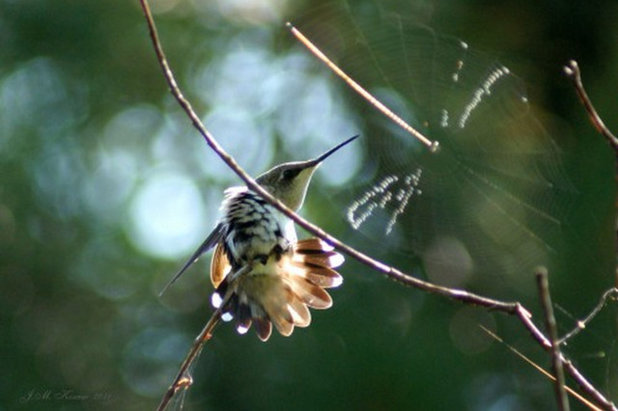
Nectar is the primary food; insects supplement protein needs. Ruby-throats catch mosquitoes, gnats, fruit flies, and small bees midair or glean from spiderwebs. Plant regionally native species that coevolved with local hummingbirds:
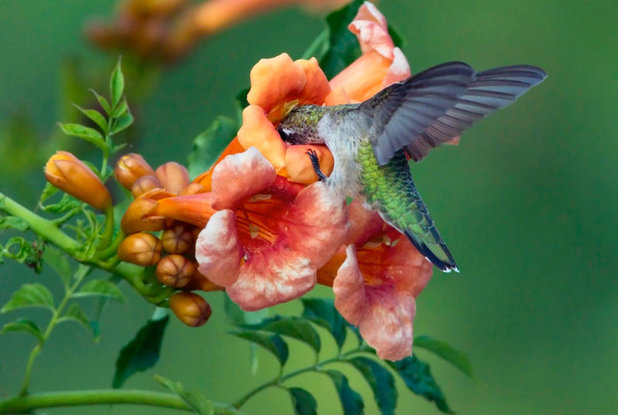
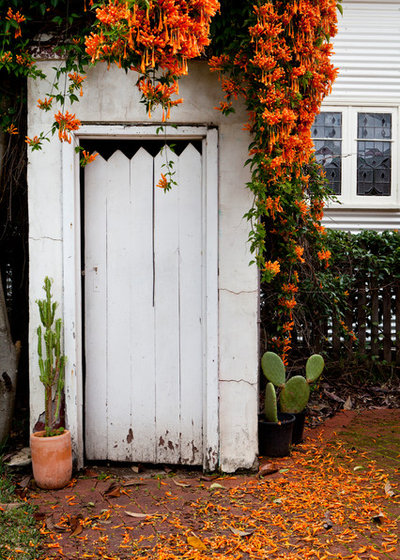
  • East (ruby-throated): Wild columbine (Aquilegia canadensis), trumpet creeper (Campsis radicans), wild bergamot (Monarda fistulosa), trumpet honeysuckle (Lonicera sempervirens), cardinal flower (Lobelia cardinalis)
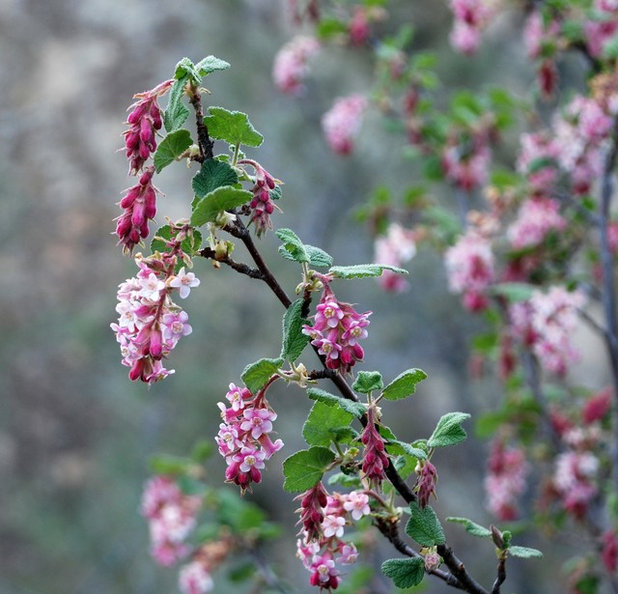
  • West Coast (Anna's): Pink chaparral currant (Ribes malvaceum), canyon gooseberry (R. menziesii), manzanita (Arctostaphylos spp.), eucalyptus (introduced)
  • West (black-chinned): Beardtongue (Penstemon spp.), larkspur (Delphinium spp.), sage (Salvia spp.), trumpet vines (Campsis/Lonicera spp.)
Female ruby-throated with insect
Female ruby-throated harvesting insects. Photo by Kelly Colgan Azar
Trumpet honeysuckle fall planting
Fall-planted trumpet honeysuckle. Photo by Twinkle and Whistle
Native plants for Anna's
Pink chaparral currant and manzanita. Photo by Pete Veilleux, East Bay Wilds
Beardtongue for black-chinned
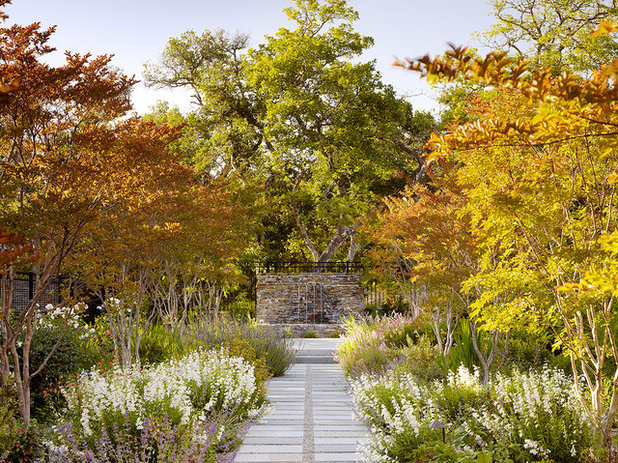
Beardtongue attracting black-chinned. Photo by Zeterre Landscape Architecture
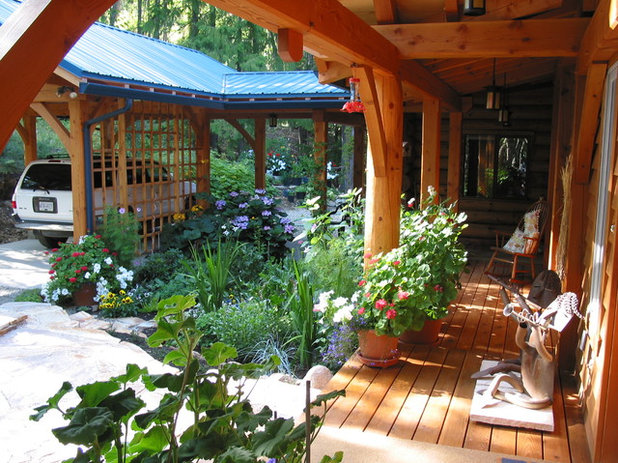
Hummingbird habitat
Photo by Hamill Creek Timber Homes

2. Use Feeders Wisely—Simple, Clean, Fresh

Feeders supplement habitat, especially during migration and in urban areas. But poor maintenance spreads disease and can kill birds.
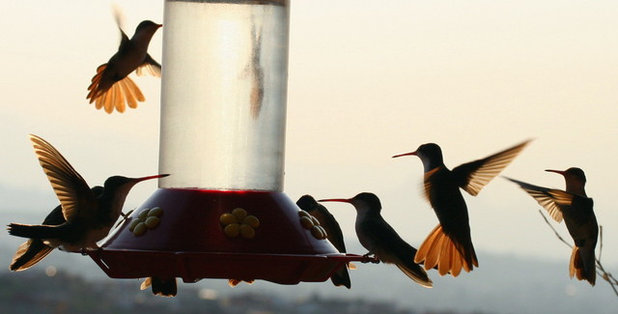
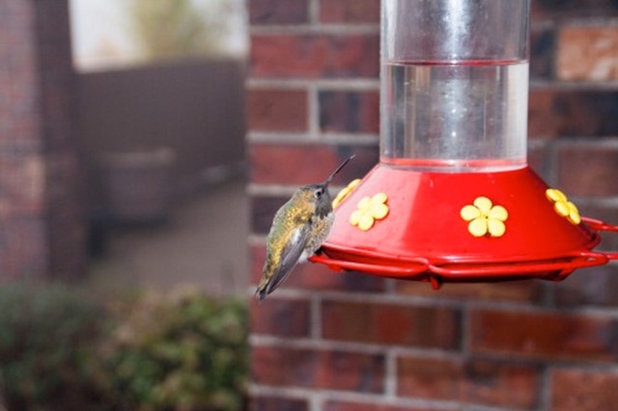
  • Choose simple feeders—easy to clean thoroughly. Complex parts harbor mold.
  • Solution: ¼ cup white sugar per 1 cup water. No honey, raw sugar, red dye, or commercial mixes with additives.
  • Clean weekly with hot, soapy water and a scrub brush (Cornell Lab recommendation).
  • Change solution every 2–3 days (daily in heat) to prevent fermentation.
  • If maintenance is too much, take it down. Neglected feeders do more harm than good.
Hummingbird feeder
Simple feeder design. Photo by rainy city
Female ruby-throated at feeder
Female ruby-throated. Photo by Jason Wessell

3. Provide Nesting Habitat

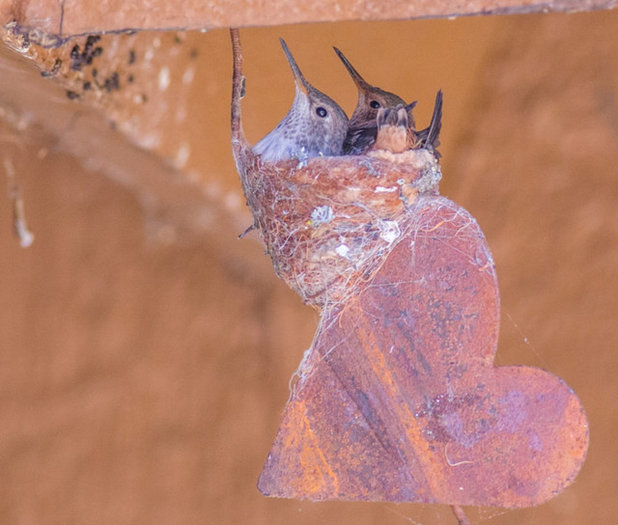
  • Females choose nest sites: horizontal branches 6–20 feet up, near nectar sources, on trees, shrubs, or human structures (rarely conifers).
  • Nests: compact deep cups of plant down, spider silk, lichens, cocoon fibers—stretching wider as nestlings grow. Cooler climates = thicker walls.
Female rufous on nest
Female rufous on nest. Photo by Anthony Gliozzo

With native nectar plants, clean feeders, and nesting habitat, your yard can become a seasonal or year-round hummingbird haven—even a nursery for the next generation of these extraordinary birds.

YardMap, a Cornell Lab of Ornithology citizen science project, helps people document and enhance bird habitat at home.

Copyright © www.100flowers.win Botanic Garden All Rights Reserved