


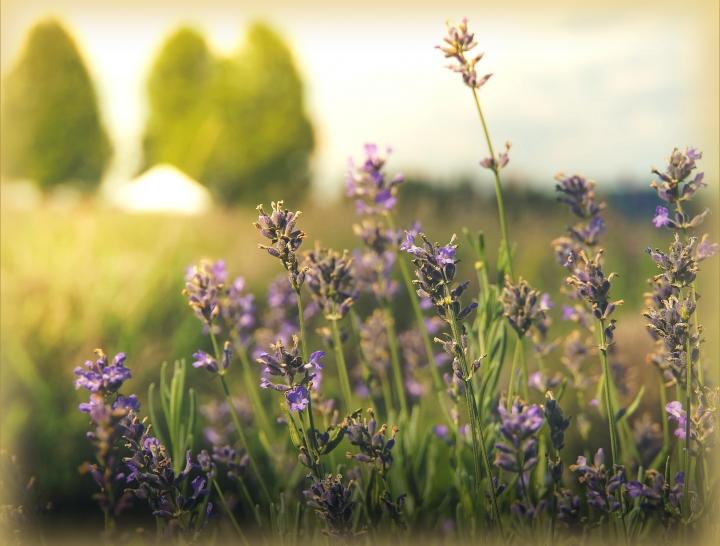
 Lavender photo by Pixabay
For the last ten days, spring has played tag with winter here—snowing four times between 70-degree days. Yet garden centers are brimming with bedding plants, and the calendar says it's planting time. Hopefully next week I can load up at the nursery. Meanwhile, I'm evaluating plants and drawing a planting map.
I have critter problems. Deer, rabbits, chipmunks, and wild turkeys roam freely in my rural area, damaging everything green. The trick is finding plants they avoid. I also prefer flowers that don't need deadheading. Confession: I'm a lazy gardener!
Below is my list of perennials and annuals that solve these problems—plants I hope to put in the ground in a week or two.
Most munchers avoid plants with thorny or fuzzy foliage and strong aromas like lavender. To protect prized flowers, place them in the center of beds near the house. Deer and rabbits nibble the outer edges of plantings farthest from buildings.
Rabbits avoid: calendulas, chrysanthemums, columbines, four o'clocks, foxglove, gladiolas, hollyhocks, impatiens, iris, larkspur, morning glories, nicotiana, snapdragons, sweet peas, and verbena.
Deer avoid: ageratum, begonias, chrysanthemums, columbines, coreopsis, cosmos, foxglove, iris, lavender, monarda, purple coneflower, rudbeckia, salvia, Shasta daisies, verbena, vinca, yarrow, zinnias.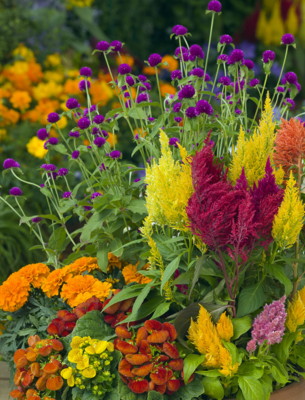
Surround favorite blooms with plants deer and rabbits hate to protect them. Photo courtesy of the National Garden Bureau.
Begonia, ageratum, lobelia, coleus, and alyssum need no deadheading. Neither do Flower Carpet and Knock-Out roses.
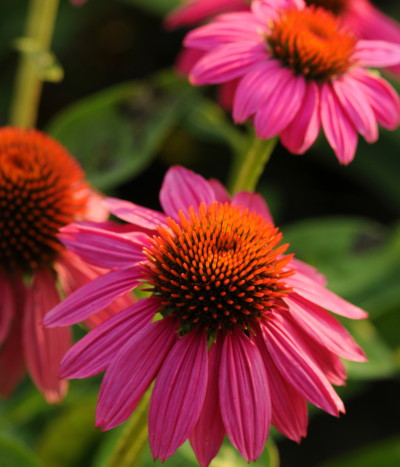
"Pow Wow" echinacea or coneflower is a tough, reliable bloomer in almost every climate. Photo courtesy of Ball Seed Co.
Cleome, impatiens, petunias, marigolds, and zinnias are annuals that perform well everywhere. Perennials guaranteed to bloom nationwide include 'Autumn Joy' sedum, coneflowers, coreopsis, rudbeckia, and yarrow.
Two favorites that grow everywhere and are tough: 'Silver Tidal Wave' petunia—one of the first Tidal Wave series. Its lavender-white flowers self-deadhead, need no pinching, and spread 3+ feet. Stems grow inches daily, creating three-foot-tall hedges ablaze with blooms.
My favorite perennial is 'Mardi Gras' helenium, a plant-and-forget perennial covered with orange flowers from July until frost. Hummingbirds, butterflies, and goldfinches love this powerful color punch.
I'm heading to my favorite garden center to buy. Tell me what you're planting this spring.
~ By Doreen G. HowardGet inspired by Robin Sweetser's backyard gardening tips. Robin has been a contributor to The Old Farmer's Almanac and the All-Seasons Garden Guide for many years. She and her partner Tom have a small greenhouse business and also sell plants, cut flowers, and vegetables at their local Farmer's Market.
Designing a Perennial Garden for Season-Long Color
How to Choose Garden Flowers for Continuous Bloom and Beauty
Perennials: The Gift That Keeps Blooming
Perennial Plants: Long-Lived Garden Staples
Designing with Annuals: Color, Texture, and Site-Smart Choices
20 Underused Annuals to Refresh Your Garden
Flower Botany Basics: Angiosperms, Gymnosperms, and Flower Structure
Snails Eating Everything: Persistent Baiting Needed
Designing an Alaskan Raised Bed Garden: Cold-Hardy Plants and Layout Tips
Growing Flowers in Your Garden: A Beginner's Guide to Beautiful Blooms
Best Flowers for Organic Gardens: Native Plants, Healthy Starts, and Soil Building
Perennial Care Guide: Keep Your Flowers Returning Year After Year
Annual Flowers You Can Grow: A Colorful Guide for Every Garden
Copyright © www.100flowers.win Botanic Garden All Rights Reserved