


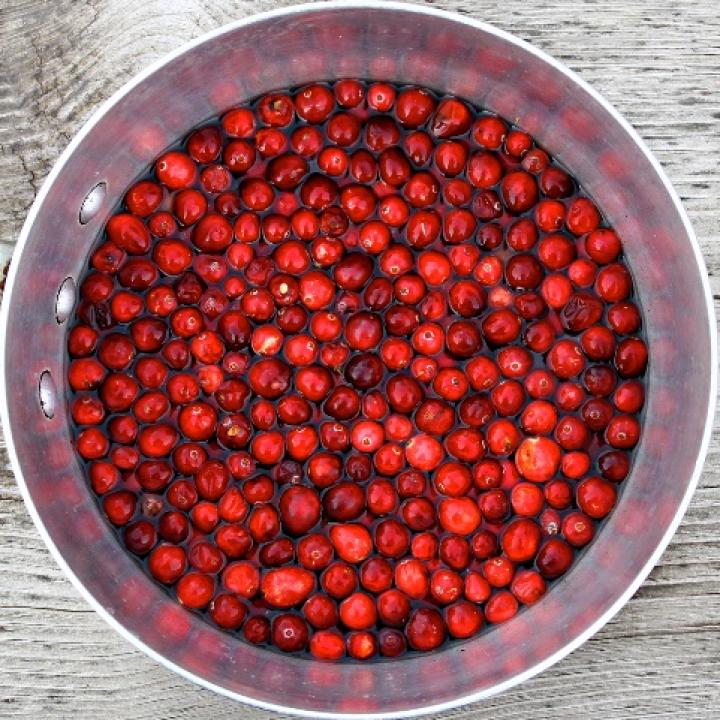
Cranberries (Vaccinium macrocarpon) are one of few native North American fruits grown commercially. Harvested Sept–Oct, fresh berries are only available through Christmas. Freeze extra for winter use. Only 15% sold fresh; rest processed into juice, sauce, etc.
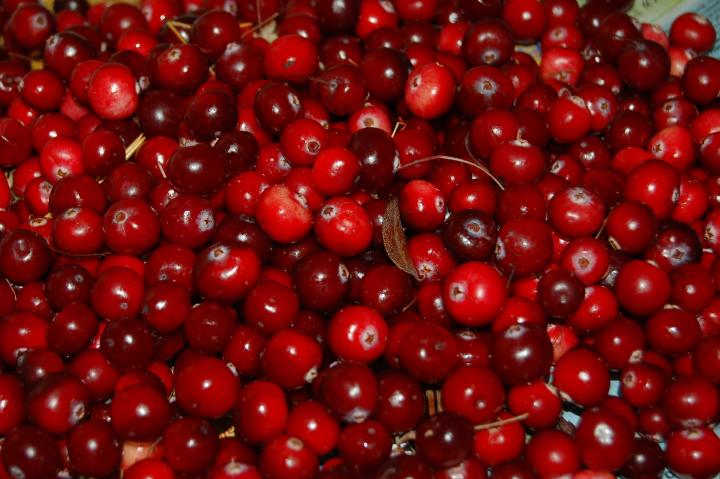
Native Americans used cranberries for food, dye, medicine. Pemmican—dried cranberries pounded with dried meat and fat—provided high-energy sustenance for winter travel. Modern version: Tanka bars by Oglala Lakota tribe.
Rich in phytocompounds: anti-inflammatory, antibacterial, antioxidant. Proanthocyanidins may prevent bacteria from adhering to urinary tract (UTI prevention) and stomach lining (ulcer prevention). Note: Cranberries help prevent infections, not treat them. Consult a doctor for UTI or stomach pain.
Research explores potential for heart disease, cancer, oral/GI disorders, viral diseases. Mixed clinical results likely due to unstandardized products and dosing.
Tartness requires sweeteners. Try stewing with pears, apples, apple butter, dates, or apricots. Beets and cranberries pair beautifully in soups, sauces, relishes, chutneys.
Cranberry-Beet Relish: 2 cups fresh cranberries, 2 large cooked beets (chopped), ⅔ cup thawed frozen apple juice concentrate, salt. Simmer cranberries and juice until berries pop; add beets and salt.
Alternative: Simmer chopped apples/pears in ¾ cup cider until soft; add cranberries until they pop; stir in beets and salt. Sweeten if needed.
Cranberry-Beet Borscht – a stunning winter warmer.
By Margaret Boyles
Parkland Tree Service: Certified Arborists for Comprehensive Tree Care
Choosing the Right Hydroponic System for Your Indoor Garden
Year‑Round Tick Prevention: Protect Your Family and Pets
Why Professional Pest Control Benefits Your Home AND the Environment
Snakes in the Garden: Why These Reptiles Are Your Best Allies
10 Good Rose Choices for the West: David Austin and More
Choosing the Right Rosemary: Varieties for Every Garden Need
Keep Deer Out of Your Garden: Proven Strategies That Work
Cheap Gazebos: What to Know Before You Buy
Is Total Pest Control Right for Your Home?
Finding Your Garden Style: Match Design to Your Life
Winterizing Hybrid Roses: Protection Strategies for Cold Climates
Grow Bags for Gardening: Benefits, Types & How to Use Fabric Pots
6 Winter Berry Plants That Keep Birds Fed and Gardens Beautiful
Copyright © www.100flowers.win Botanic Garden All Rights Reserved