| Bag Size | Best For | Soil Volume |
|---|
| 1–3 gal | Herbs, lettuce, radishes, strawberries, flowers | 4–12 quarts |
| 5–7 gal | Tomatoes (determinate), peppers, eggplant, bush beans, kale | 20–28 quarts |
| 10–15 gal | Tomatoes (indeterminate), cucumbers, squash, potatoes (3–5 seed) | 40–60 quarts |
| 20–30 gal | Full veggie bed, fruit trees, berry bushes | 80–120 quarts |
| 50–100+ gal | Raised bed replacement, dwarf fruit trees | 200–400 quarts |
How to Use Grow Bags
- Elevate: Place on pallets, bricks, or wire rack. Airflow under bag = air-pruning + drainage.
- Fill: Quality container mix (1/3 compost, 1/3 coir/peat, 1/3 perlite/pumice). Leave 2" headspace.
- Plant: Same spacing as ground. Install supports (cages, stakes) at planting.
- Water: More frequent than plastic (fabric dries faster). Drip irrigation ideal.
- Fertilize: Regular liquid feed (nutrients leach faster). Slow-release at planting.
Special Techniques
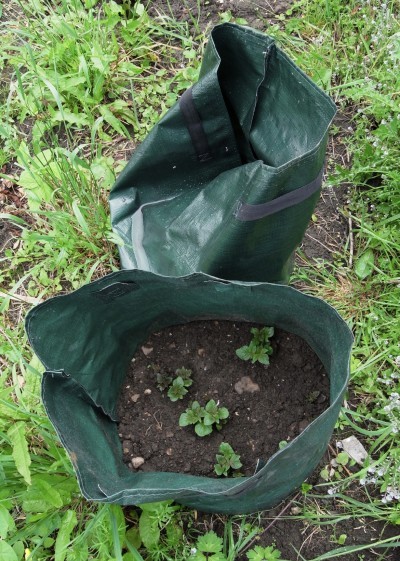
Potato Tower (20–30 gal bag)
- Fill 6" soil, plant 3–5 seed potatoes.
- As plants grow, add soil/compost mix to cover stems (leave 6" foliage).
- Repeat to top. Harvest by tipping bag over.
"Plant the Bag" Method (Paper Bags)
- Fill paper grocery bag with soil, plant directly.
- Place in garden bed. Bag biodegrades, roots expand into native soil.
- Builds soil in future garden areas.
Simulated Raised Bed
Arrange 6–12 large bags (20–30 gal) in rectangle. Mulch between. Instant 4×8 bed, no construction.
Care & Longevity
- Wash between seasons: rinse, mild soap, dry flat.
- UV degrades fabric over 3–7 years (quality dependent).
- Repair tears with heavy-duty tape or stitching.
- Store dry, folded, out of sun.
Grow bags combine the best of containers and in-ground growing: healthy roots, perfect drainage, mobility, and space efficiency. Once you try them, plastic pots feel obsolete.
Copyright © www.100flowers.win Botanic Garden All Rights Reserved