


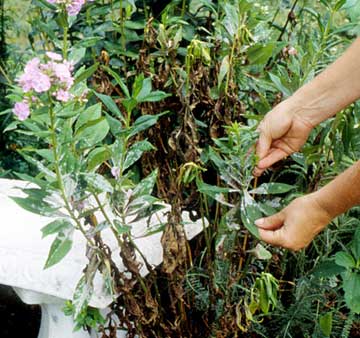
Garden phlox is susceptible to mildew, especially in dense clumps. Thinning and deadheading improve both appearance and plant health. Continue reading
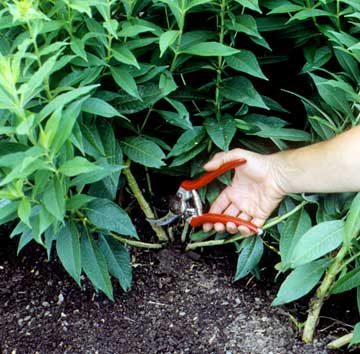
To reduce mildew on phlox and beebalm (Monarda didyma), improve air circulation by cutting some stems to the ground. This doesn’t harm the plant but must be done regularly—once mildew sets in, chemical control may be needed. An easy method: inspect new spring shoots and cut out the woody center of crowded clumps.
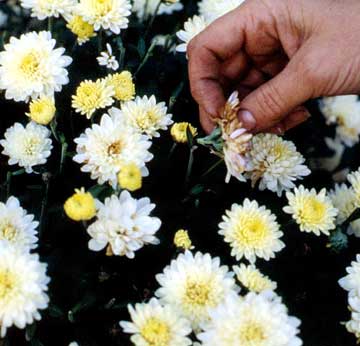
Deadheading—removing spent flowers—prolongs bloom, prevents unwanted self-seeding, and keeps gardens tidy. Most plants aim to set seed; removing flowers before seed forms forces a new bloom cycle. Sterile cultivars bloom continuously without deadheading. Choose them to reduce maintenance.
Learn the proper techniques for deadheading different plant types to maximize flowering and garden neatness.
Garden Design Styles: Creating Your Ideal Outdoor Space in Melbourne
Home & Garden FAQ: Expert Answers to Your Top Questions
Designing a Stunning Balcony or Rooftop Garden: Space-Smart Ideas
Home and Garden Q&A: Common Household Questions Answered
Designing a Japanese Bamboo Garden: Simplicity & Balance
Finding Your Ideal Garden Center: Online, Mass Merchant, or Specialty?
Essential Home & Garden Tools: Why a Quality Pair of Scissors Tops the List
Spring Garden Checklist: Essential Tasks for a Thriving Season
Designing and Building a Garden Pond: A Complete Guide
5 Smart Steps to a Better Lawn & Garden
Garden Pavers: Patios, Driveways, and Retaining Walls
Garden Plans & Designs: From Container to Hydroponics
Garden Shed Design: Plans, Prep, and Personalization
Garden Ornaments and Statues: Adding Punctuation to Your Landscape
Copyright © www.100flowers.win Botanic Garden All Rights Reserved