


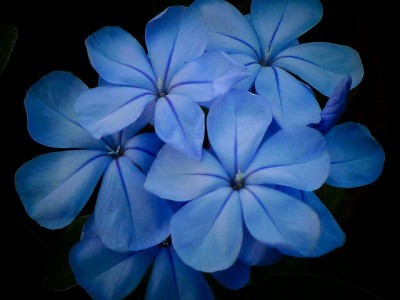
Blue is botanically rare but garden-powerful. It recedes visually, making small spaces feel deeper. Concentrate bold blues at the “front”; fade to pale blues at the “back” to stretch perceived distance.
Pure blue can feel icy. Add purple and yellow accents. Foliage-blues (blue spruce, blue hosta, rue, blue fescue) add texture beyond flowers.
Solomon’s seal (blue berries), porcelain berry vine, arrowwood viburnum (blue fruit)—extend the palette.
Delphinium, lupine, blue poppy, blue aster, columbine, baptisia, caryopteris.
Camassia, crocus, iris, hyacinth, grape hyacinth, bluebells, allium.
Wisteria, passion flower (warm), clematis, morning glory, ajuga, vinca.
Blue corydalis, forget-me-not, Jacob’s ladder, primrose, lungwort.
Hydrangea (acid soil), agapanthus, plumbago.
Browallia, lobelia, petunia, verbena.
Blue pots, blue glass bottle trees, blue stone pavers, sea glass accents, blue-tinted water candles. Even the hardscape joins the hue.
A blue garden is a portal—step in, and the world feels wider.
Designing Large Banked Gardens: Terracing, Water Features, and Lawn Management
Bottle Gardens: Creating Miniature Ecosystems in Glass
Islamic Garden Design: The Four-Fold Paradise Garden
Orange Garden Design: Warm Energy from Peach to Burnt Sienna
How to Build a Bog Garden: Create a Moisture-Loving Plant Paradise
Create a Pollinator Garden: Design, Plants, and Practices
Designing With Conifers: Unlocking Year-Round Color in the Garden
Fall Gardening Guide: Best Cool-Season Crops & Practices for a Bountiful Harvest
Japanese Garden Plants: Essential Trees, Shrubs & Groundcovers for Authentic Design
Shade Garden Plants: Thriving in Low Light
Spooky Garden Design: Plants & Decor for a Haunted Landscape
Pink Garden Design: Monochromatic Magic from Blush to Magenta
Copyright © www.100flowers.win Botanic Garden All Rights Reserved