


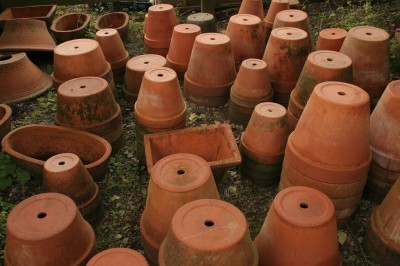
The pot you choose affects plant health, maintenance, and aesthetics. Each material has distinct pros and cons—understanding them helps you match container to plant and site.
Pros: Porous walls allow air exchange, keeping roots cool; heavy enough to resist tipping. Cons: Dry out fast—frequent watering needed; breakable; not frost-proof unless rated.
Best for: Drought-tolerant plants, herbs, succulents, gardeners who don’t mind daily checks.
Pros: Extremely durable, frost-proof, heavy (wind-stable), insulates roots well. Cons: Very heavy—hard to move; porous, so water often; unsuitable for balconies/roofs with weight limits.
Best for: Permanent installations, shrubs, small trees, windy ground-level sites.
Pros: Endless colors/styles; non-porous (holds moisture longer); decorative. Cons: Breakable; often smaller; expensive.
Best for: Indoor houseplants, focal-point patio pots.
Pros: Sleek, modern look; durable. Cons: Rusts over time; conducts heat—roots can cook in sun. Fix: Line with a fitted plastic pot to insulate and prevent rust contact.
Best for: Shaded areas, contemporary designs, double-potted arrangements.
Pros: Natural look; cedar resists rot and insects. Cons: Eventually decays; treated lumber may leach chemicals—avoid for edibles unless lined with plastic. Tip: Paint or seal untreated wood to extend life.
Best for: Window boxes, raised beds, rustic gardens.
Pros: Lightweight, weather-resistant, mimic stone/concrete convincingly. Cons: Polyresin tips easily in wind; fiberglass walls are thinner, less insulating.
Best for: Balconies, rooftops, large decorative pots that need moving.
Pros: Cheap, colorful, lightweight, retains moisture. Cons: Tips easily; degrades in UV unless rated; can overheat roots in sun.
Best for: Indoor use, liners inside decorative pots, temporary plantings.
Pros: Light, insulating (buffers heat/cold), non-porous, many finishes. Cons: Blows over in wind.
Best for: Seasonal displays, roof decks, gardeners with mobility limits.
The right container is a plant’s foundation—choose wisely, and both will thrive.
Winter Care for Potted Perennials: Lilies, Hibiscus, Datura, Coleus, and Bulb Forcing
Choosing Bonsai Tree Pots: Inner Surface, Frost-Proofing, Size & Drainage
Growing Strawberries in Hanging Pots and Containers: Complete Guide
Choosing the Right Plant Pot: Materials, Styles, and Drainage
Scented Geraniums (Pelargoniums): Fragrant Stars for Containers
Drip-Free Hanging Baskets: A Denver Innovation for Apartment Living
Overwintering English Ivy (Hedera) for Spring Displays
Low-Maintenance Hanging Basket Plants That Last All Summer
Overwintering Potted Mums on a Porch
Winterizing Potted Perennials in Chicago (Zone 5)
Why Your Potted Peppers Are Small and Ripening Early
Creating a Terrarium: Self-Sustaining Plant Worlds
Choosing the Perfect Roses for Your Garden: A Complete Guide
Copyright © www.100flowers.win Botanic Garden All Rights Reserved