


In the plant world, one flower is famous for its “eyes,” “edges,” and occasional “chicken fat” edges: the daylily. These terms describe the intricate patterns and colors that make each cultivar unique.
Daylilies thrive in sun (at least 6 hours; darker varieties tolerate a bit less), heat, and well-drained soil. They adapt to any soil type but spread faster in sandy soil and form tighter clumps in clay. Compost is the only fertilizer I use—no chemicals needed. Keep soil moist during bloom season but never soggy; amend with compost and mulch to retain moisture and suppress weeds. Bermuda grass can invade mature beds and must be hand-pulled.
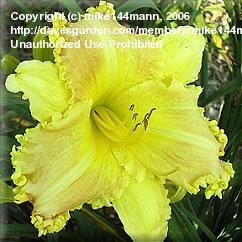
Daylilies come in every color except pure blue and pure white. A bloom that looks stark white in a show garden may appear yellow, tan, or pink in your yard. The complex patterns and color blends make them endlessly fascinating.


Daylily seeds do not produce clones of the parent. Seedlings are entirely new plants—some stunning, others disappointing. If you want a specific cultivar, buy the plant, not the seed.
Daylilies are addictive; many gardeners dedicate entire yards to them. Visit the Dave’s Garden Daylily Forum to learn more and connect with fellow enthusiasts.
Home and Garden Q&A: Common Household Questions Answered
Growing Daylilies: Soil Preparation and Planting Techniques
Designing a Japanese Bamboo Garden: Simplicity & Balance
Finding Your Ideal Garden Center: Online, Mass Merchant, or Specialty?
Essential Home & Garden Tools: Why a Quality Pair of Scissors Tops the List
Spring Garden Checklist: Essential Tasks for a Thriving Season
5 Smart Steps to a Better Lawn & Garden
Garden Pavers: Patios, Driveways, and Retaining Walls
Garden Plans & Designs: From Container to Hydroponics
Garden Shed Design: Plans, Prep, and Personalization
Garden Ornaments and Statues: Adding Punctuation to Your Landscape
Garden Statuary & Lighting: Artful Accents for Day & Night Beauty
Designing a Town Garden: Outdoor Rooms, Planting, and Climbers
Copyright © www.100flowers.win Botanic Garden All Rights Reserved