


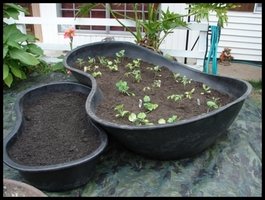
After hurricane damage made my in-ground pond unusable, I repurposed two rigid pond forms (18" and 15" deep) as raised vegetable beds. Placed on a sunny, root-choked former tree site, they solved multiple problems at once.
May 1: Filled forms with 18 bags of potting soil mixed with slow-release fertilizer. Planted tomatoes, peppers, eggplant, zucchini, melons, plus a "salad bowl" of lettuce, carrots, radishes. Mulched heavily.
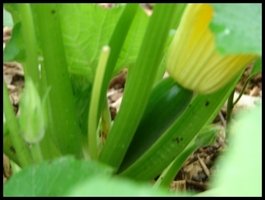
May–July: Rapid growth; first zucchini by May 28, watermelon by June 19. Melon vines cascaded over edges as planned. Minimal pests (one muskmelon leaf issue). Self-watering via nearby hose.
Next year: earlier start, fresh seeds, same pond-form system.
The Benefits of Hydroponic Vegetable Gardening: Control, Conservation, and Year-Round Harvests
Raised Vegetable Gardens: Better Soil, Less Weeding, Easier on Your Back
Benefits of Raised Vegetable Gardening: Easier, Cleaner, More Productive
Summer Vegetable Garden: Plan, Plant, and Protect for a Bountiful Season
Choosing the Right Pond Pump: Sizing, Placement & Longevity
The Jungle in My House: Confessions of a Reluctant Houseplant Hoarder
UV Filter vs. UVC Clarifier: What's the Difference for Pond Keepers?
Helping Pond Frogs Survive Winter in a Lined Pond
Sudden Mass Fish Death in Pond: Causes and Emergency Steps
Preformed vs. Liner Ponds: Which Is Right for a First-Time Builder?
Why Pond Pumps Must Run 24/7 for Healthy Water
Lazy Gardener's Annuals: Self-Cleaning Blooms All Season
Finding Zen in the Garden: Wisdom for Stressed Southwest Gardeners
Copyright © www.100flowers.win Botanic Garden All Rights Reserved