





Pitcher Plant Propagation: Seeds vs. Cuttings
Expand your pitcher plant collection via seeds or cuttings—both work for home growers. Seed Propagation Collect seeds from dry capsules in late fall. Coat with fungicide (Captan), blow off excess. Sow on damp sand/peat

Repotting Pitcher Plants: Soil Mix & Timing Guide
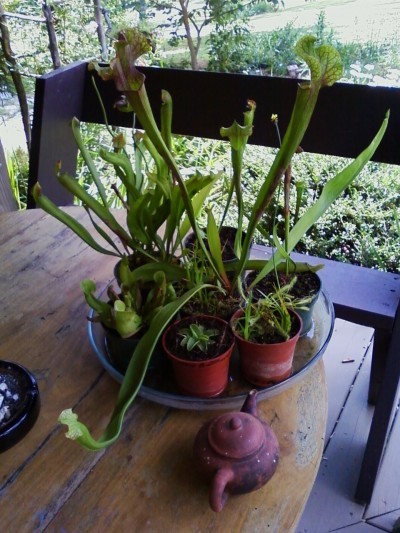
Repot pitcher plants every 1–2 years in early spring before new growth. The soilless mix compacts over time. Repotting Steps While dormant, remove plant and gently clear old medium (chopstick works). Mix: ½ cup sand +
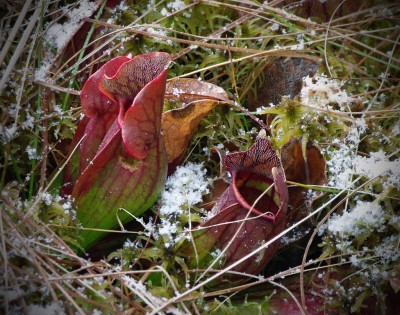
Pitcher Plant Dormancy: Winter Care for Sarracenia
Sarracenia pitcher plants need winter dormancy with chilling, but most arent hardy below zone 7. Winter care depends on your zone and species. Cold Hardiness by Species Zone 6: Most common species handle short freezes.
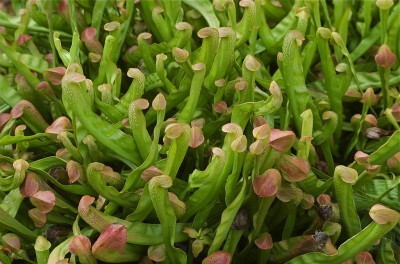
Fertilizing Pitcher Plants: When, How & What to Use
Pitcher plants get nitrogen from insects, not soil. Fertilize only when needed—and never via soil. When to Fertilize Indoor plants with few insects. Seedlings without functional pitchers. Outdoor plants: usually unnece
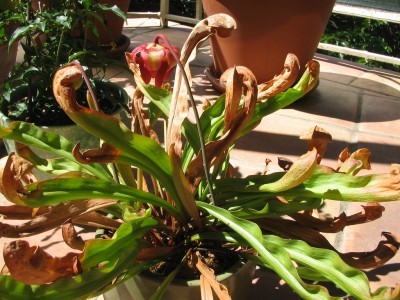
Yellow & Brown Pitcher Plants: Natural Aging vs. Stress
Pitcher plants naturally shed old pitchers—yellowing, browning, collapsing is normal if only the oldest/largest are affected. As fall approaches, dormancy begins and replacement stops. When to Worry If discoloration is
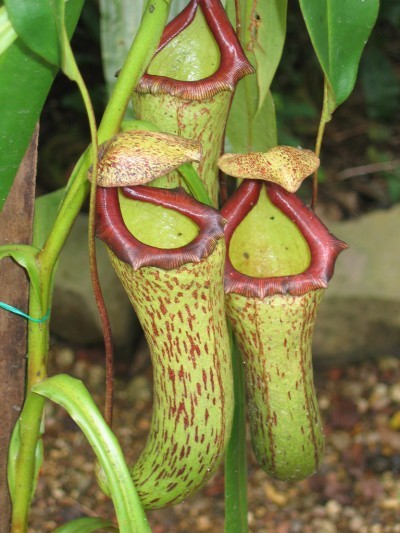
Pitcher Plant Diseases & Pests: Identification and Treatment
Pitcher plants face environmental issues, fungal diseases, and persistent pests. Heres how to diagnose and respond. Environmental Problems Freeze damage before dormancy kills rhizomes. Dig, keep firm white sections, di
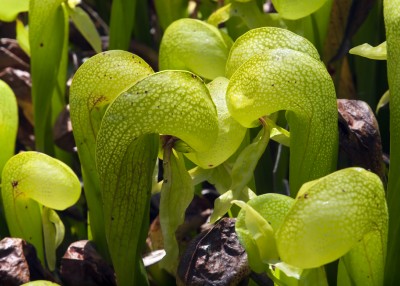
Cobra Lily Care: Growing Darlingtonia californica
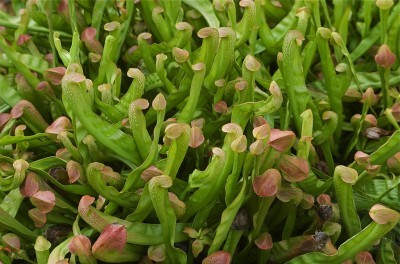
Cobra lily (Darlingtonia californica) is a surreal North American pitcher plant with hooded, cobra-like leaves that lure and trap insects without using rainwater. It demands specific conditions: warm days, full sun, and
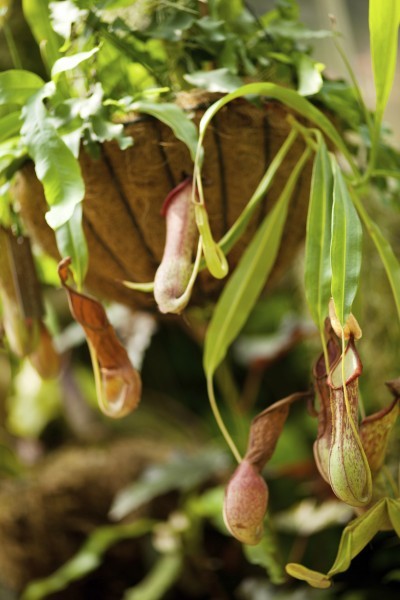
Hanging Pitcher Plants: Best Nepenthes for Baskets & Care
Hanging baskets suit pitcher plants perfectly—air circulation and space let pitchers develop fully. Heres how to grow them suspended. Hanging Basket Care Soil: Light, well-draining, low-nutrient, high organic matter (s
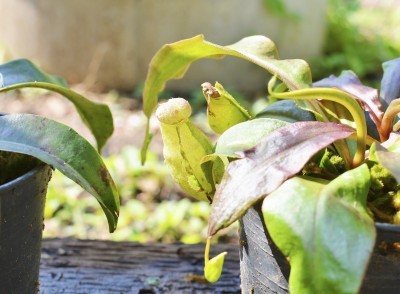
Propagating Pitcher Plants from Cuttings: Water & Moss Methods
Pitcher plants propagate best from stem cuttings—faster and more reliable than seed or tissue culture. Two effective methods: Taking Cuttings From mature, actively vining plants: harvest a climbing stalk with basal rose
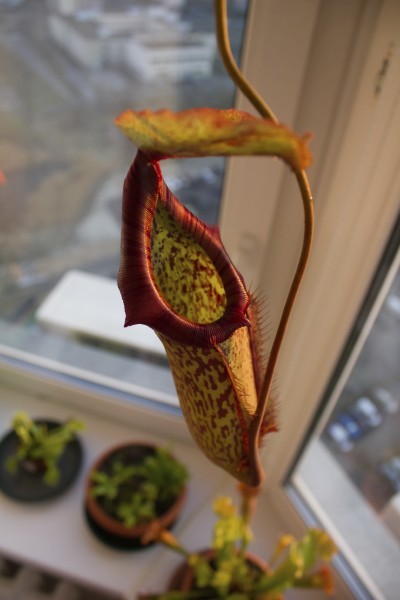
Indoor Pitcher Plant Care: Nepenthes & Sarracenia as Houseplants
Pitcher plants adapt well indoors if you match their specific needs. Species vary—check your tag—but here are the fundamentals. Core Requirements Light Moderate to bright indirect. If leaves yellow or scorch, reduce lig
Pruning Pitcher Plants: Deadheading & Trimming for Vigor
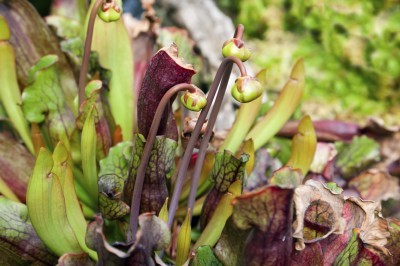
Pitcher plants need minimal pruning, but strategic trimming boosts vigor and appearance. When to Prune Deadhead: Cut spent flower stalks at base after blooming. Remove dead foliage: Snip yellow/brown leaves at stem jun
Growing Pitcher Plants from Seed: Stratification & Germination
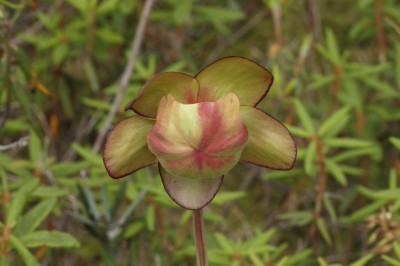
Pitcher plant seeds need cold stratification and high humidity to germinate—a process that takes months, not weeks. Seed Starting Steps Medium: Pure peat moss (sterile) in transparent lidded pots or domed containers. O
Why Your Pitcher Plant Has No Pitchers: Troubleshooting Guide
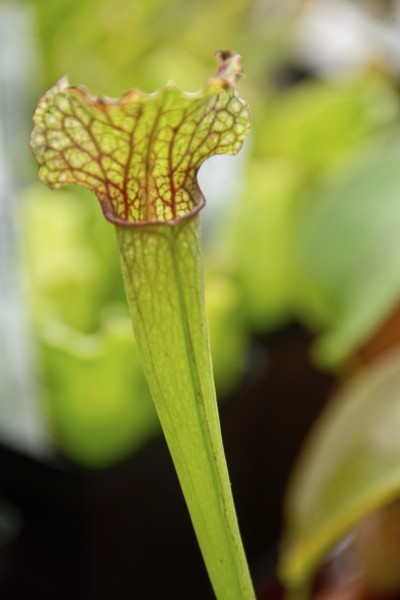
A healthy pitcher plant without pitchers usually needs one of four adjustments. Be patient first—young plants take time. Fixes for Missing Pitchers Light: 3–4 hours bright indirect light daily. Too little = no pitchers
Growing Pitcher Plants Outdoors: Bog Garden Guide
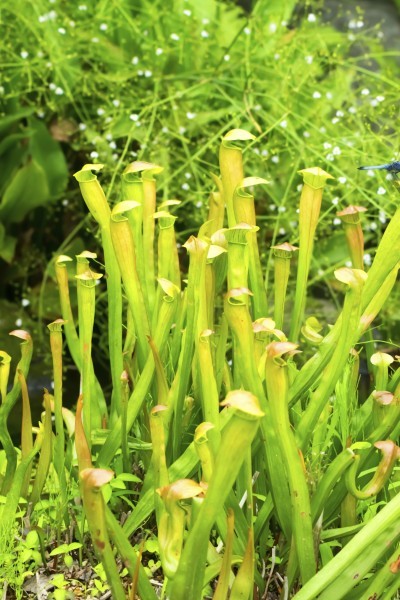
American pitcher plants (Sarracenia) thrive in outdoor bog gardens if you replicate their native conditions: nutrient-poor, acidic, constantly moist soil in full sun. Site & Soil Container or lined bog: hold water so ro
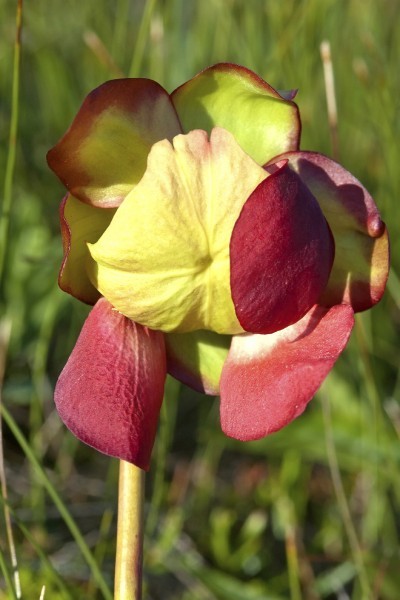
Pitcher Plant Flowers: Bloom Time, Appearance & Pollination
Pitcher plants bloom in spring (April–May), producing fascinating flowers that resemble upside-down umbrellas rising above the traps—protecting pollinators from becoming prey. Flower Details Colors: Purple, red, burgun
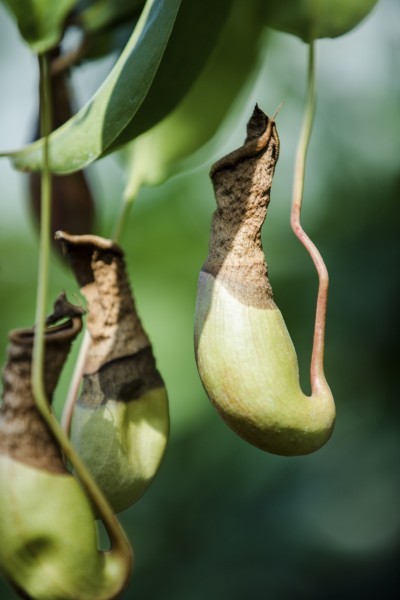
Pitcher Plant Pest Control: Safe Methods for Carnivorous Plants
Pitcher plants face typical pests, but standard controls backfire: beneficial insects get eaten, and even mild soaps can kill the plant. Manual removal is safest. Common Pests & Solutions Mealybugs: Cottony clusters at

Red Leaves on Pitcher Plants: Sunburn or Nutrient Deficiency?
Nepenthes pitcher plants normally have green mature leaves. Red coloration can be normal—or a warning sign. When Red Is Normal New leaves often emerge with a reddish tinge. This is natural and fades as they mature. When
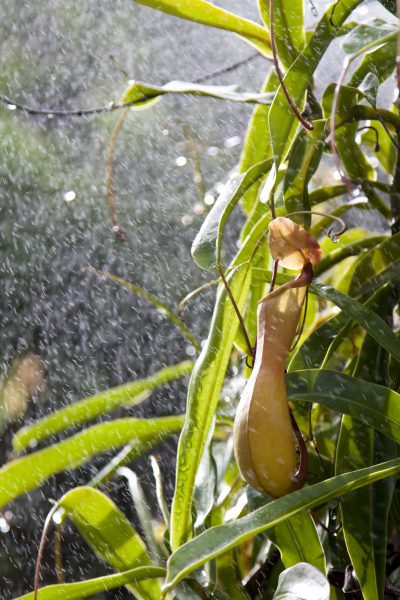
Watering Nepenthes: Keeping Tropical Pitcher Plants Hydrated
Nepenthes (tropical pitcher plants) need consistently moist, humid conditions. Their watering needs are specific but simple once understood. Watering Basics Feel the medium regularly. Water when the surface feels slight
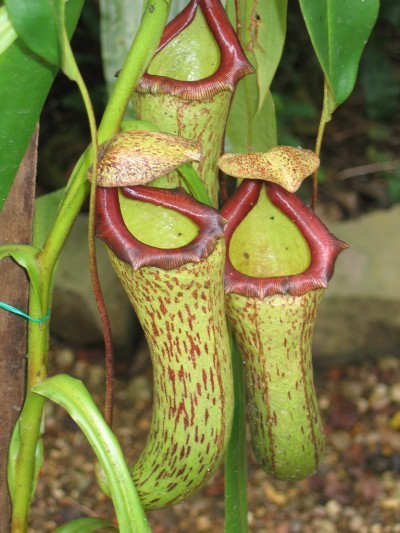
Growing Pitcher Plants: Carnivorous Plant Care Guide
Pitcher plants look exotic but are native to parts of the U.S. Their carnivorous habit—trapping insects in modified leaves—evolved to survive nitrogen-poor soils. With the right conditions, theyre fascinating additions
Copyright © www.100flowers.win Botanic Garden All Rights Reserved