


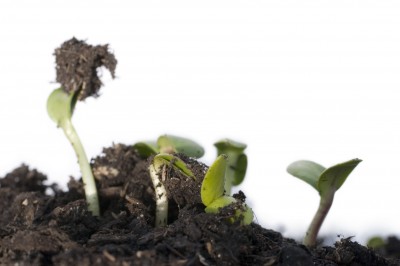
Seeds sprouting in your compost? You're either a "lazy composter" (tossing everything in, seeds included) or your pile isn't reaching temperatures high enough to kill seeds. Either way, volunteer vegetables in compost are common—and manageable.
Simple: you're composting viable seeds. Either they're going in unchecked, or your pile isn't maintaining 130-170°F (54-76°C) consistently with regular turning when temps drop below 100°F (37°C). Proper hot composting kills seeds but demands vigilance.
Hot composting requires:
"Cool composting" (passive piling) never reaches seed-killing temperatures. Options: pull volunteers (my approach), or exclude seeds entirely. I avoid mature weeds and thorny plants (blackberries) to prevent spread.
Many "volunteers" produce perfectly edible cucumbers, tomatoes, pumpkins. If they don't bother you, let them grow—you might get bonus harvests!
How to Make Mushroom Compost: Complete Recipe and Curing Process
How to Heat Up a Compost Pile: The Four Keys to Active Decomposition
How to Compost: The Complete Guide to Building Better Soil
White "Roots" in Compost Are Beneficial Fungal Hyphae
Composting 101: Turning a "Garbage Pile" into Black Gold
Wave Petunias Dying After Planting: Fertilizer Burn and Shallow Watering
Adding Lawn Mushrooms to Compost: Good or Bad Idea?
Edible Vegetable Leaves: Which Ones Taste Good?
Why Quality Gardening Tools Matter: Matching Equipment to Your Garden Type
Home Composting: Turn Kitchen Scraps into Black Gold
Heating Up Your Compost Pile: The Four Essentials for Active Decomposition
Nature's Pest Control: How Companion Plants Protect Your Vegetable Garden
Copyright © www.100flowers.win Botanic Garden All Rights Reserved