


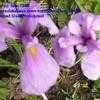
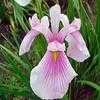
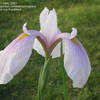
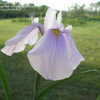
The Japanese Water Iris 'Rose Queen' (Iris ensata 'Rose Queen') reigns over moist garden areas with its majestic, rose-tinted blooms. This cultivar, also known under the synonym Iris kaempferi, exemplifies the ethereal beauty that has enchanted gardeners since Japanese irises were first introduced to Western horticulture in the 19th century.
| Family: | Iridaceae (eye-rid-AY-see-ee) |
| Genus: | Iris (EYE-ris) |
| Species: | ensata (en-SA-tuh) |
| Cultivar: | Rose Queen |
| Synonym: | Iris kaempferi |
Japanese water irises like 'Rose Queen' have distinct cultural requirements that differ significantly from their bearded cousins. They demand consistently moist, acidic soil rich in organic matter—conditions that mimic their native habitat along Japanese streams and marshes. Plant the rhizomes 2-3 inches deep (deeper than bearded irises) in early spring or fall. They are heavy feeders; incorporate compost or well-rotted manure at planting and fertilize regularly during the growing season. In cold climates, a winter mulch helps protect the crowns. The foliage dies back in winter, re-emerging fresh each spring.
Yellow Flag Iris (Iris pseudacorus): A Water-Loving Native Species
Blue Flag, Water Iris (Iris versicolor): Native Wetland Beauty
Yellow Flag Iris 'Roy Davidson' (Iris pseudacorus): Variegated Water Iris
Wild Iris (Iris setosa): Northern Flag and Beachhead Iris
Siberian Iris (Iris sanguinea): Japanese Iris, Blood-Red Species
Cemetery Iris (Iris albicans): White Flag, White Cemetery Iris
Japanese Roof Iris (Iris tectorum): Charming Species for Shade
Tall Bearded Iris 'Camelot Rose': Arthurian Romance from 1965
Queen of Angels Tall Bearded Iris: Schreiner's Celestial Beauty
Blue Flag Iris 'Between the Lines': Schafer & Sacks 1991 Cultivar
Tall Bearded Iris 'Drama Queen': Keppel's 2004 Showstopper
Intermediate Bearded Iris 'Gypsy Queen': Salter's 1859 Heirloom
Iris Water Japanese Variegated – Variegated Foliage for Water Gardens
Copyright © www.100flowers.win Botanic Garden All Rights Reserved