

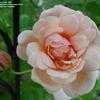

Cultivar Profile: Rosa 'Mademoiselle Cécile Brünner'
Few roses have earned as many endearing nicknames as this one: Sweetheart Rose, Maltese Rose, Mignon, and simply Cécile Brünner. Introduced before 1880, this polyantha rose remains a beloved heirloom for its profusion of perfect, petite pink buds that open to delicate, fragrant blooms. It's a living piece of rose history that still graces gardens worldwide.
Key Characteristics
- Flower: Small (1.5–2 in.), high-centered, double blooms in soft shell pink, carried in large sprays. Sweet, spicy tea fragrance.
- Bloom habit: Nearly continuous from late spring to frost; heaviest in early summer.
- Foliage: Small, glossy, deep green leaves on slender, nearly thornless stems.
- Habit: Versatile—can be grown as a compact shrub (3–4 ft), trained as a climber (10–20 ft), or kept as a tidy hedge.
- Hardiness: USDA zones 5–9 (with protection in zone 4).
Breeding and History
- Hybridizer: Jean-Baptiste Ducher (Lyon, France).
- Introduced: Pre-1880 (often cited as 1881).
- Class: Polyantha (one of the foundational cultivars of the class).
- Parentage: 'Mignonette' × 'Madame Falcot' (both early polyanthas).
Why Gardeners Love It
- Cut flowers: The long, slender buds are perfect for boutonnières and small arrangements; they last well in water.
- Shade tolerance: Blooms better in partial shade than most roses.
- Disease resistance: Remarkably free of black spot and mildew for a 19th-century rose.
- Versatility: Use as a shrub, climber, groundcover, or container plant.
Growing Tips
- Plant in rich, well-drained soil with morning sun and afternoon shade in hot climates.
- Water at the base to keep foliage dry.
- Prune lightly after the first flush to shape; remove old wood every few years.
- As a climber, train canes horizontally to encourage lateral flowering shoots.
Notable Sports
'Cécile Brünner Climbing' (introduced 1904) is a vigorous sport reaching 20 ft, with identical flowers. Both forms hold the RHS Award of Garden Merit.


