


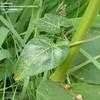
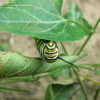
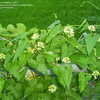
Honeyvine Milkweed (Cynanchum laeve), also called Sand Vine or Blue Vine Milkweed, is a vigorous, twining perennial vine native to eastern and central North America. Heart-shaped leaves clothe the stems, which climb by twining. In summer, clusters of small, fragrant white flowers provide abundant nectar for bees, wasps, and butterflies. It's a host plant for Monarch caterpillars. The slender, smooth seed pods split to release silky-tufted seeds. While valuable for wildlife, it can be aggressive in gardens; best suited for naturalized areas or managed borders.
Full sun to part shade.
Average moisture. Tolerates wet to dry soils.
Adaptable; prefers rich, moist loam but tolerates clay.
Deadhead to prevent seeding. Pull unwanted shoots. Provide sturdy support.
| Family: | Asclepiadaceae |
| Genus: | Cynanchum (sigh-NAN-chum) |
| Species: | laeve (LEE-vey) |
| Synonym: | Ampelamus albidus |
Hydrangea 'Blue Bunny': Unique Involucrata with Rabbit-Ear Buds
Hosta 'Blue Angel': Giant Blue Hostas for Dramatic Shade Presence
Hosta 'Blue Cadet': Compact Blue Hosta for Small Spaces
Hosta 'Blue Ice': Benedict's Crystalline Beauty
Blue Glow Agave (Agave 'Blue Glow'): Compact Hybrid Jewel
Blue Candle (Myrtillocactus geometrizans): A Geometric, Blue-Green Candelabra Cactus
Hosta 'Blue Umbrellas': Shaw-Aden's Sheltering Canopy
Hosta 'Bressingham Blue': Bloom's British Blue Blood
Hosta 'Blue Shadows' – Deep Blue Foliage for Serene Garden Spaces
Hosta 'Blue Mammoth' – Colossal Blue Foliage for Grand Gardens
Hosta 'Blue Splendor' – Refined Blue Elegance for Shaded Borders
Hosta 'Honey Moon' – Sweet Gold Margins for Romantic Gardens
Copyright © www.100flowers.win Botanic Garden All Rights Reserved