


Garden rooms may seem new, but they trace back to the hortus conclusus—the enclosed garden. Originating in ancient Persia, Egypt, and Mesopotamia, reappearing in the Middle Ages, and later as the core of 20th-century Arts and Crafts gardens, the enclosed garden remains relevant: a haven, an escape from the world, an extension of the house, and a protected space for practical plant cultivation. We all need spaces to retreat to for solitude, refreshment, entertainment, and connection with nature.
This desire appears in contemporary atriums and small enclosed gardens. Let's explore beautiful examples.
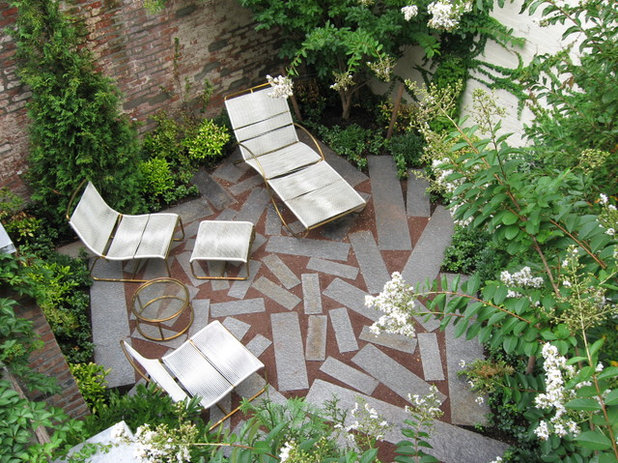
Throughout history, plantings have been key. Early paintings show raised turf seats, small grass plots dotted with flowers, herbs and flowers for food and medicine. Today we clothe walls with climbers and wall shrubs for flower/foliage interest and to soften brick or stonework.
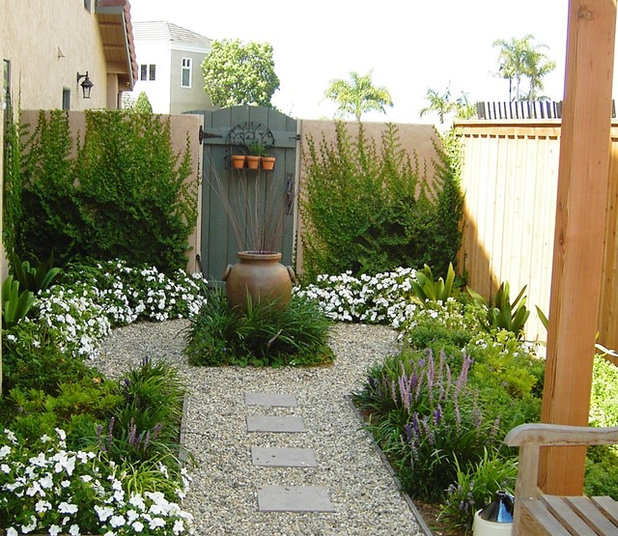
Medieval enclosed gardens were for the wealthy, but monastic gardens were also enclosed. Monks needed seclusion for contemplation; hortus conclusus provided security and seclusion. This modern garden echoes early monastic elements with high walls, simple gravel path, seating, and low plantings.
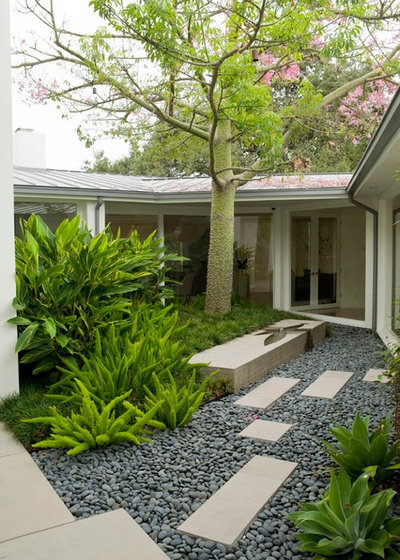
Many today seek the same escape from modern stresses. An enclosed garden can be the perfect solution, but house layouts can do this too. This serene courtyard is central to the house, providing the same benefits.

Even the smallest, most barren spaces become a haven with attention to design and simple plantings. Looking into a calm space refreshes our spirits.

Enclosing small outdoor spaces adjacent to homes creates outdoor rooms—even without ceilings. They offer sanctuary benefits plus space to socialize, work, and relax. Even 7 square meters (about 7½ by 10 feet) adds much to the owner's lifestyle.

If you couldn't see the surrounding fencing, you might think this an indoor relaxing zone. A wonderful example of an enclosed garden, inward-looking and intimate, designed for the owner's pleasure.
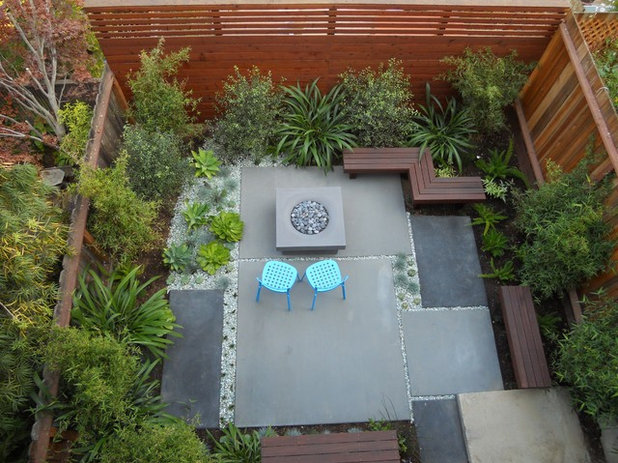
High walls, fences, and hedging protect plants from cold winds, low temperatures, and sun heat, allowing tender plants to survive in the created microclimate.

Perhaps not a typical hortus conclusus, but a beautiful example. Though not for walking through, it allows those in an otherwise sterile building to get closer to nature.

Atriums bring natural light into buildings and can be wonderful spaces. This minimalist design includes a usable "enclosed garden" at the building's heart.
The Case for Interior Courtyards

This enclosed space gives all the benefits of a hortus conclusus—a place to refresh, protected from the outside world with ideal growing conditions for tender plants.
Tell us: Do you have an oasis of nature at home? We'd love to see a photo.
Installing a Garden Pond: Site Selection, Design, and Fish Considerations
Garden Design Fundamentals: Site Analysis, Layout, and Plant Selection
DIY Garden Paving Slabs: Create a Backyard Retreat
Budget Summer Gardening: Smart Strategies for Beautiful Results
Creating Your Own Zen Garden: A Sanctuary of Simplicity and Calm
Designing a Charming Country-Style Garden for Small Spaces
Designing a Flower Garden: Beds, Colors, and Creative Containers
Designing a Hummingbird Garden: Complete Habitat Guide
Essential Garden Housekeeping for Health & Beauty
Gardening: Hobby or Full-Time Commitment? A Reality Check
Perennials in Your Garden: Lasting Beauty with Less Work
Organic Gardening: Healthier Plants, People, and Planet
Essential Garden Tips: Watering, Composting, Cultivation, and Color Design
Garden Gazebos: History, Styles, and DIY Kits for Every Backyard
Copyright © www.100flowers.win Botanic Garden All Rights Reserved