


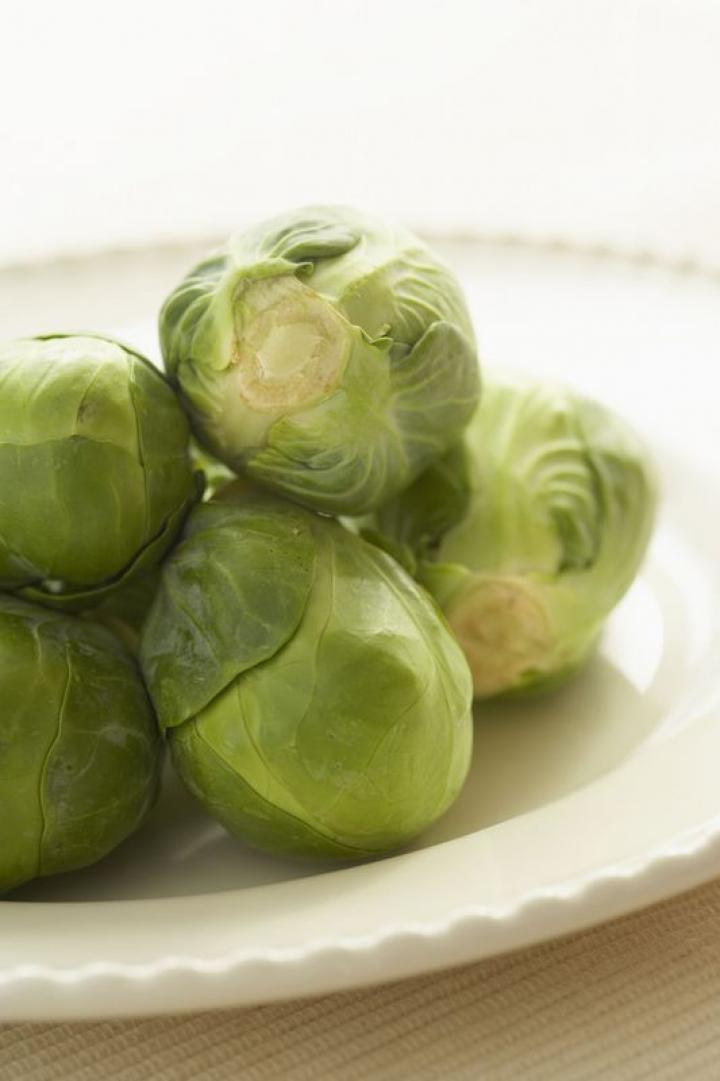
Brussels sprouts, a cabbage-family member, are protein- and vitamin-rich. They have a long growing season and are most successful as a fall crop—flavor improves after light frosts.
Growing Celery: A Long-Season Crop for Crunchy Stalks
Growing Chard: Versatile Greens for Cool and Warm Weather
Growing Lettuce: Cool-Season Crops for Continuous Salad Harvests
Growing Onions: Cold-Season Crop for Big, Flavorful Bulbs
Growing Potatoes: Superior Homegrown Flavor from Seed Tubers
Growing Spinach: Super-Cold-Hardy Greens for Spring, Fall, and Winter
Growing Beans: Pole and Bush Varieties for a Bountiful Harvest
Growing Bell Peppers: Sweet, Colorful, and Pest-Resistant
Growing Cucumbers: Vigorous Vines for Abundant Harvests
Growing Peas: Cool-Season Legumes for Early Harvests
Growing Pumpkins: Sprawling Vines for Carving and Cooking
Growing Radishes: Fast, Cool-Season Roots for Continuous Harvest
Growing Rhubarb: Perennial Vegetable for Pies, Jams, and More
Copyright © www.100flowers.win Botanic Garden All Rights Reserved