


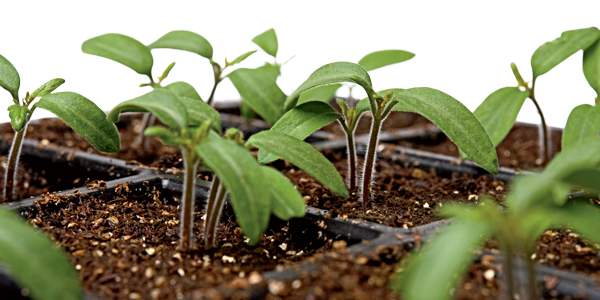
A seed-starting schedule tailored to your climate and setup is the secret to having robust, garden-ready seedlings at the perfect time. Here's how to build your own.

Separate seeds into two piles: direct-sow (plant outdoors) and start indoors. Direct-sow includes most root crops (carrots, beets, radishes), beans, corn, peas, melons, cucumbers, squash, and many annual flowers (zinnias, sunflowers, nasturtiums). Set these aside.
For the "start indoors" pile, read each packet. Look for "start X weeks before last frost." Sort into piles by recommended weeks (5, 7, 9, etc.). If only germination time is given, add 6 weeks. No info? Default to 6 weeks before last frost—adjust next year based on results.
Example: Last frost May 15 → Week 4 = April 15, Week 11 = late February.
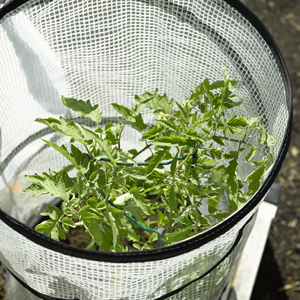
Start earlier (add 1–2 weeks) if:
Start later (subtract 1+ weeks) if:
Keep notes each year on transplant readiness and adjust. Gardening's unpredictability is part of the fun!
Roasted Pumpkin Seeds: A Nutritious Garden Treat with Easy Recipe
Planning Your Garden Water Feature: Types, Design Process, and Site Integration
Planting Your Organic Garden: From Seed to Soil for Chemical-Free Success
Starting Seeds Indoors: A Step-by-Step Guide for Beginners
Garden Planning Basics: From Vision to Reality
Starting a Vegetable Garden from Seed: Packet Reading, Spacing & Kid-Friendly Tips
Seed Starting Success: Why Compost-Based Mix Beats Sterile Peat Pellets
Designing a Japanese Garden: Principles & Elements
Start Indoor Gardening with a Hydroponics Kit: Easy, Complete, and Year-Round
Prepare Your Garden Bed for Planting Seeds: Soil, Layout & Amendments
Start Your Plants From Seeds: A Complete Guide to Successful Seed Starting
Starting a Garden from Scratch: Plan First, Plant Later
When Less Is More: The Soul-Feeding Power of Garden Simplicity
Copyright © www.100flowers.win Botanic Garden All Rights Reserved