


Imagine lush greenery swaying gently in crystal water—reds, golds, purples, feathery and broad-leaved varieties thriving in a living underwater landscape. An planted aquarium isn't just for fish; it's a horticultural frontier right in your living room. Here's your starter guide to the equipment, conditions, and plants for a thriving aquatic garden.
| Component | Recommendation |
|---|---|
| Aquarium | 5–150+ gallons; used tanks must be leak-tested (fill in bathtub/yard) |
| Substrate | 3+ inches decorative aquarium gravel (anchors plants, houses beneficial bacteria) |
| Circulation | Filter (foam/carbon not required for plants-only); moves nutrients, prevents dead zones |
| Lighting | 2–3 watts/gallon full-spectrum fluorescent; 12–14 hrs/day. Avoid direct sun (algae trigger). |
| Heater | 70–80°F for tropical species; submersible aquarium heater |
| CO₂ | Optional for low-tech tanks; fish waste often suffices. Pressurized systems for high-demand setups. |
| Fertilizer | Aquatic-specific only—terrestrial fertilizers cause algae blooms. Trace elements key. |
Critical: Many stores sell marginal/bog plants as "aquatic." They'll survive briefly then melt. Avoid:
Shop at dedicated aquarium stores or reputable online vendors. Look for species like Anubias, Java Fern, Cryptocoryne, Vallisneria, Amazon Sword, and stem plants like Rotala or Ludwigia.
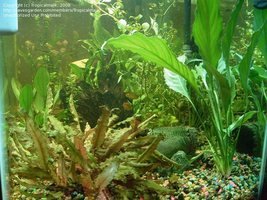
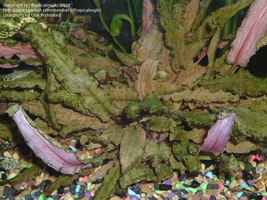
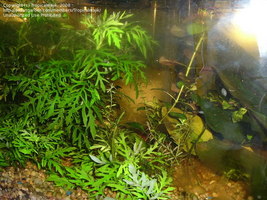
An established planted tank becomes a stable, low-maintenance ecosystem. The initial learning curve is real—but so is the reward: a living, breathing slice of tropics that evolves daily. Dive in.
Planting Your Organic Garden: From Seed to Soil for Chemical-Free Success
5 Pro Vegetable Gardening Tips for Better Harvests with Less Work
Choosing the Right Plants for Your Garden's Success
Grow Your Own Tomato Garden: From Seedling to Sauce in 90 Days
Plant a Garden, Boost Your Health: The Science-Backed Benefits of Growing Your Own
Prepare Your Garden Bed for Planting Seeds: Soil, Layout & Amendments
Plant Placement for Maximum Garden Beauty
Why Start an Indoor Garden? Beauty, Clean Air & Year-Round Joy
Choosing the Right Plants for Your Garden Conditions
Finding Affordable Plants for Your Garden Without Sacrificing Quality
Best Plants for a Magical Miniature Fairy Garden
Copyright © www.100flowers.win Botanic Garden All Rights Reserved