


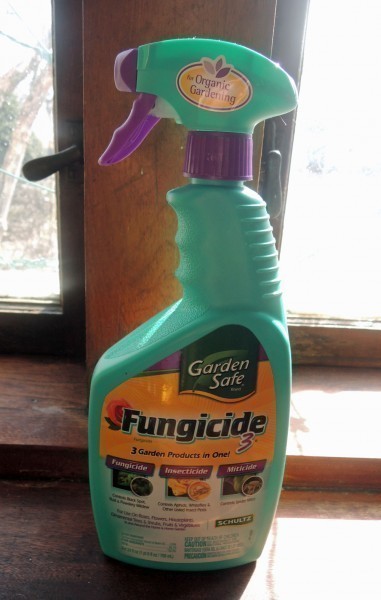
Fungicides prevent fungal diseases but cannot cure established infections. Proper identification and timing are critical—misapplication wastes money and harms beneficial organisms.
First, confirm a fungal issue. Many symptoms mimic nutrient deficiencies, insect damage, or environmental stress. Consult your local extension service or nursery for accurate diagnosis and product recommendations. Apply fungicides preventively or at first sign of disease, following label timing for specific pathogens.
Fungicides target specific fungi—lawn fungicides won't control vegetable mold, and vice versa. Options include:
Formulations vary: dusts, liquids, wettable powders (activate when wet), and flowables. Each requires specific application equipment and techniques.
Always follow label directions precisely—overuse is as harmful as underuse. Wear protective gear (gloves, mask, goggles) when handling chemicals. Apply during calm, dry weather to prevent drift. Rotate fungicide classes to prevent resistance buildup. Consider cultural controls first: proper spacing, air circulation, watering at soil level, and resistant varieties.
Elevate Your Garden with Modern Rattan Furniture & Stylish Planters
7 Creative Ways to Use a Garden Room
Why Shade Sails Are a Smart Choice for Your Garden
Using Organic Fertilizer: Feed Your Soil, Not Just Your Plants
Why Garden Umbrellas Are Essential for Your Outdoor Space
Vegetable Garden Design Software: PlanGarden & Digital Planning Tools
Quick Yard Upgrades: Inexpensive Garden Statues for Instant Charm
Fungicide: Chemical and Organic Options for Fungal Control
Perennials in Your Garden: Lasting Beauty with Less Work
Green Thumb Mastery: Centuries of Horticulture Wisdom for Modern Gardens
Types of Garden Hedges: Formal, Semi-Formal, and Informal—Which Suits Your Style?
Creating Your Cottage Garden: Charm, Color, and Character
Rain Barrels: Free Water for a Thriving Garden
Understanding Garden Soil Types: Matching Plants to Your Soil
Copyright © www.100flowers.win Botanic Garden All Rights Reserved