


Weather profoundly affects plant growth. Frost damage is obvious, but extreme heat is equally harmful. Species vary widely in temperature tolerance—some wilt at moderate warmth, others thrive in extremes.
High temperatures increase both photosynthesis (CO₂ → O₂) and respiration (O₂ → CO₂). But beyond species-specific thresholds (e.g., tomatoes struggle above 96°F/36°C), these processes unbalance. Influencing factors: sunlight exposure, moisture drainage, elevation, day/night temperature differential, proximity to thermal mass (rocks).
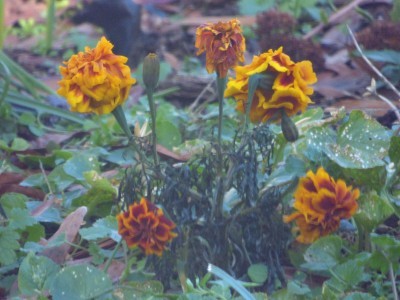
Germination rises with temperature to an optimum, then declines. Cool-season vegetables (lettuce, broccoli): 55-70°F (13-21°C). Warm-season plants (squash, marigolds): 70-85°F (21-29°C).
Check plant hardiness zones for compatibility, but remember—weather remains beyond our control even in optimal conditions.
When to Plant Shipped Perennials in Zone 7 Baltimore
Diagnosing a Declining Nepenthes burbidgeae × platychila in Texas
Why Your Habanero Pepper Plant Is Growing Slowly
How Hydroponic Systems Benefit Plant Growth
Winter Plant Protection: Best Covering Materials for Cold Weather
Hot Water Treatment for Plants: Weed Control and Pest Management
Plant Supports: Choosing and Using Stakes, Cages, Trellises & More
Copyright © www.100flowers.win Botanic Garden All Rights Reserved