



Multiply your garden for free by propagating existing plants—yours, a neighbor's, or a friend's. Focus on beginner-friendly methods: division, softwood cuttings, and leaf cuttings. (Seed saving covered in a separate post.)
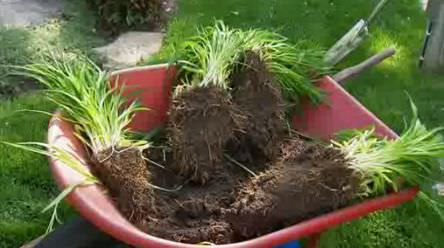
Best candidates: Hostas, daylilies, iris, grasses, phlox, coneflower, black-eyed Susans, asters, astilbe (most perennials without taproots).
Steps:
Fine Gardening video on dividing perennials.
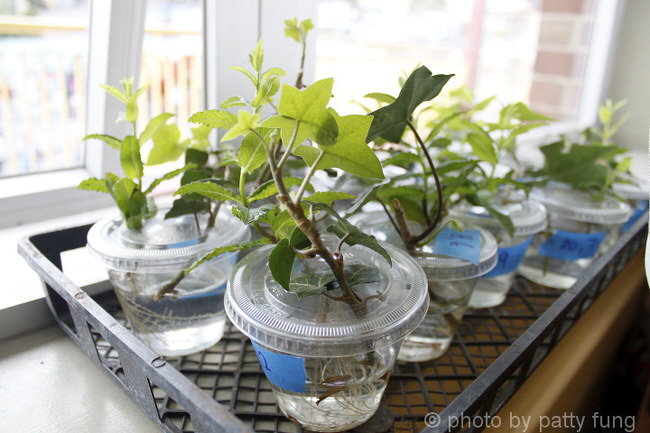
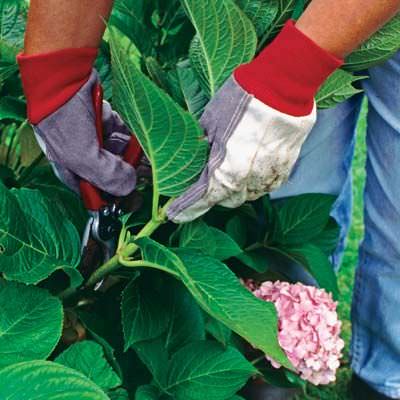
Like rooting houseplants in water, but use moist potting mix + plastic bag humidity dome. Works for many herbs and soft-stemmed perennials (Mother Earth Living tutorial). For tougher stems (hydrangeas), This Old House shows a slightly more involved method—rooting hormone helps but isn't mandatory.
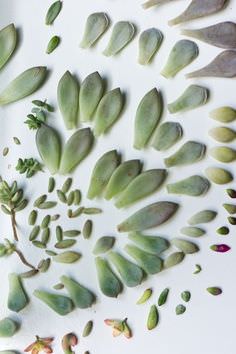
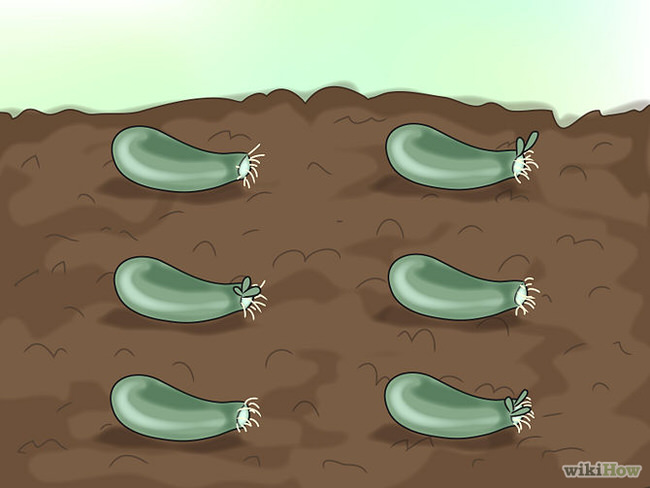
Cut leaf + short stem, plant in soil medium like softwood cuttings. Succulents often self-propagate this way (my 'Angelina' sedum spreads everywhere). Wikihow has a clear succulent leaf-cutting guide.
Host a plant-swap party with your free bounty—gardening's best currency!
Choosing the Right Gardening Plants for Year-Round Beauty and Utility
Bonsai Plants: Indoor vs. Outdoor Care and Common Mistakes
Perennials: The Gift That Keeps Blooming
Evergreen Plants: Year-Round Foliage, Ecological Strategies, and Garden Value
Propagating Aquatic Plants: Vegetative Methods for Water Gardens
Make More Plants from Cuttings: A Step-by-Step Propagation Guide
Propagating 'Blue Rug' Juniper from Cuttings: A Two-Year Project or Buy Liners?
Growing Chives: Perennial Onion-Flavored Leaves and Edible Flowers for All Zones
Thrips: Identification, Damage, and Control
Mountain Garden Checklist: Summer Planting and Pest Management
Flower Botany Basics: Angiosperms, Gymnosperms, and Flower Structure
Fireblight: Bacterial Disease of Rose-Family Plants
Copyright © www.100flowers.win Botanic Garden All Rights Reserved