


In 2003, my mother dragged me to a nursery to "spruce up" my 60-square-foot patio. Four years later, I bought a house with 1,500+ square feet of landscape — knowing almost nothing about gardening. Scary or invigorating? The line is thin.
Beginning is hard, but in moments of greatest risk and faith (with or without planning), we truly find ourselves. Gardening isn't discovering life's mystery "out there" — it's discovering the mystery is inside us, in how we work with the natural world.
You can't truly mess up in the garden. Like writing (real work happens in drafting/editing) or marriage (deeper love through selflessness/forgiveness), real gardening unfolds over time. Hiccups aren't brutal errors — they're opportunities and joys. Entrepreneurs say failure is the greatest teacher; it's tragic our culture equates a step back with lack of progress. "Why do we fall? So we can pick ourselves up again." — Thomas Wayne. Go plant something. Work that shovel.
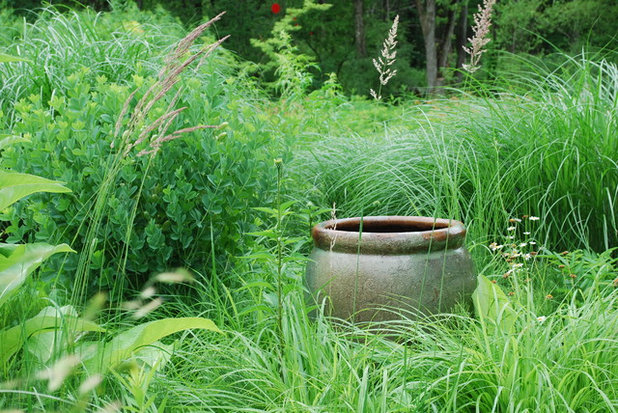
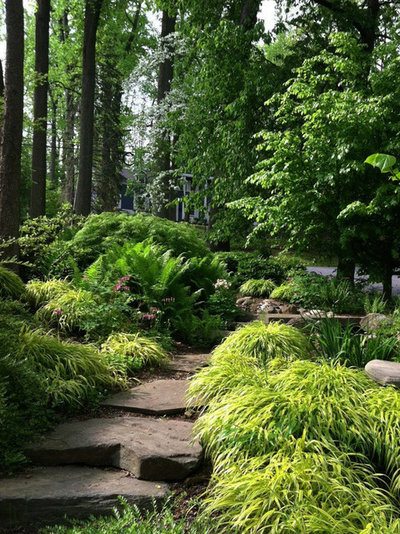
Sure, garden design has artistry — sometimes hire a pro, sometimes dive in alone. Hard lessons: how fast American senna grows, how big it gets, how it shades out its neighbors. That bluestem-milkweed combo you loved? Atrocious this year. The waterfall you built for weeks? Leaking, collapsing, full of neighborhood dogs, just wrong. Life's never finished — even when you are. So is the garden.
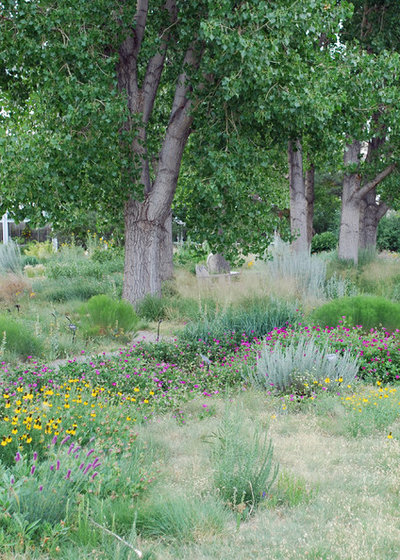
I used to mourn plant losses like pets or lost direction — holding vigils over photos. Now I'm giddy when a space opens. My garden's packed with plants jockeying for resources (good — replicates wild nature), so a hole is opportunity, like new love. Opportunistic plants beat me to it? Make a bigger garden. Rip up grass. Rip out invaders even if you love them — tough love works.
No substitute for learning your space — soil, light, drainage, microclimates are unique. Intimacy with your home stokes endorphins, well-being, the sense that you can make a difference and aren't disconnected from nature. Books help: plants, garden design history, architecture, philosophy, art, plant ecology, soil science, climate change. Lectures, podcasts, blogs. Ask everyone who knows more — no wrong questions. Soon you'll realize how much you've deepened your garden's purpose.
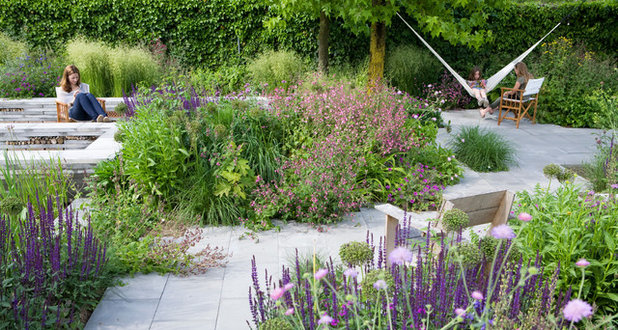
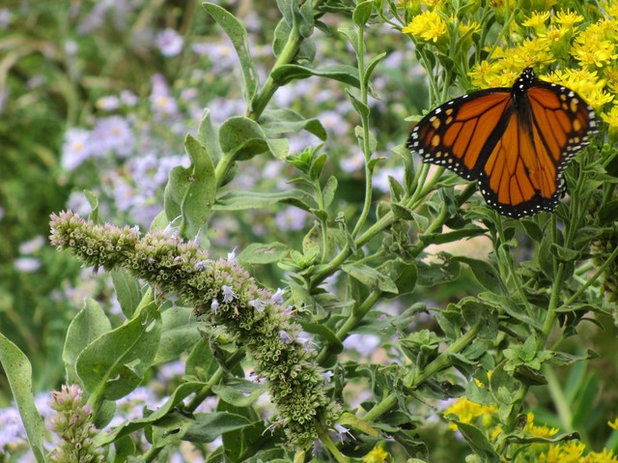
Nature interactions — hikes, park-sitting, touching animals — open profound connections that heal and challenge. A butterfly struggling with missing wings: beauty (the creature) and sorrow (its time has come). Where both exist, there's purpose: find its host plant, add it. Create more diverse blooms. Sit outside longer. Hospitals have healing gardens; schools have planting curricula. Don't let potential "bad" moments stop you from nature's innumerable benefits. Risk loving what could vanish; garden passionately.
Garden Design Principles: Creating Beautiful, Functional Outdoor Spaces
Pro Tips for a Thriving Organic Garden Year-Round
Garden Offices: The Future of Remote Work
Garden Gnomes: Whimsical Guardians for Outdoor Spaces
Get the Most from Your Garden: Planning and Maintenance
Natural Pest Control for Organic Gardens: Plants and Predators
Tiny Backyard Transformation: Lessons from a 600-Square-Foot Garden
All-Weather Garden Furniture: Leave It Out Year-Round with Modern Materials
Deer-Proof Your Garden: Fencing, Repellents, and Smart Plant Choices
The Country Garden: Blending with the Landscape
Using Red in the Garden: Color Theory & Design Tips
Designing with White in the Garden: Versatility, Combinations, and Night Appeal
Reviving a Neglected Garden: Lessons from Undoing a Costly Remodel
Parisian Secrets: 10 Garden Ideas to Steal from the City of Light
Copyright © www.100flowers.win Botanic Garden All Rights Reserved