


Picture stepping outside your kitchen to harvest towering kale, armloads of zucchini and tomatoes, and fresh chives from a balcony pot—so much lettuce you’re giving it away. That’s the reality for home gardeners who’ve put in a little knowledge and a lot of practice.
Even apartment dwellers can grow herbs and vegetables in containers. Beyond fresh produce, gardening beautifies your space, lowers your carbon footprint, provides creative and physical outlets, and boosts access to nutritious food. Homegrown peas, tomatoes, arugula, cucumbers, and blueberries simply taste better than store-bought.

Many aspire to grow food but don’t know where to begin. Vegetable gardening is a continuous learning process—you’ll never fully master it, but with a few core principles and a willingness to learn from mistakes, you can succeed, whether it’s a windowsill basil pot or a full backyard farm. Here are six things to know before you start.

No large, sunny backyard? No problem. A balcony, patio, or even a windowsill works. Shady spots? Most salad greens and even blueberries thrive in lower light.

Gardening is a skill built over time. Beginners should start with a few potted herbs or one raised bed. Embrace failures—losing a crop to slugs is part of the process. Gardening is forgiving; you can always replant.
Related: 10 Easy Edibles for First-Time Gardeners

Don’t rely on existing yard soil. Vegetables need nutrient-rich, well-draining soil—preferably organic. For in-ground beds, source quality soil locally and arrange delivery. For containers, use a premium potting mix. Amend with compost each spring to maintain fertility.
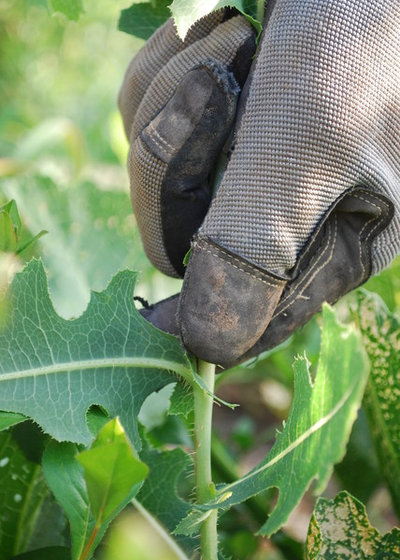
You can’t just plant once and walk away. Gardens need weekly attention: planting, thinning, weeding, harvesting, pruning, and possibly twice-daily watering in hot climates. Plan realistically: a full backyard may require 10 hours a week; a balcony garden, just a couple.

Even pesticide-free crops need thorough washing to remove soil, bacteria, and parasites like Toxoplasma gondii. A large salad spinner makes this easy.

Six 8-by-4-foot raised beds in a sunny yard can feed a family of four all the kale, tomatoes, carrots, and greens they’ll eat, plus extras to preserve. Smaller spaces? Medium planter boxes keep you in salads all season.
The rewards are immense: a fascinating hobby, stress relief, a solid workout (watch your back when digging!), and the attainable goal of growing most or all of your family’s vegetables. Start small, schedule weekly maintenance, and don’t get discouraged by imperfection—you’re on the path to garden success.
Next: 8 Surefire Vegetables for Urban Gardeners That Anyone Can Grow
Start Your Own Organic Vegetable Garden: Benefits and Basics
Grow Your Own Organic Vegetable Garden: Health, Flavor, and Sustainability
Essential Guide to Buying Garden Sheds Online
Grow Your Own Organic Vegetables: A Beginner's Path to Chemical-Free Harvests
Organic Container Gardening: Grow Food at Home in Any Space
Basement Garden Guide: Growing Vegetables Indoors with Lights & Hydroponics
Grow Mint Without the Mayhem: Container Strategies for This Aggressive Herb
A Beginner's Guide to Growing Popular Herbs: Basil, Mint, Rosemary, Catnip
Florida Spiders: Dangerous Species, Hunters & Unique Types
Growing Medicinal Herbs at Home: A Guide to Natural Remedies
Growing Your Own Herb Garden: Kitchen, Porch, or Deck
How to Grow Grapes at Home: A Beginner's Guide
Growing Your Own Vegetables: A Beginner's Step-by-Step Guide
Endangered Wild Sea Oats: Legally Grow Your Own Coastal Beauty
Copyright © www.100flowers.win Botanic Garden All Rights Reserved