


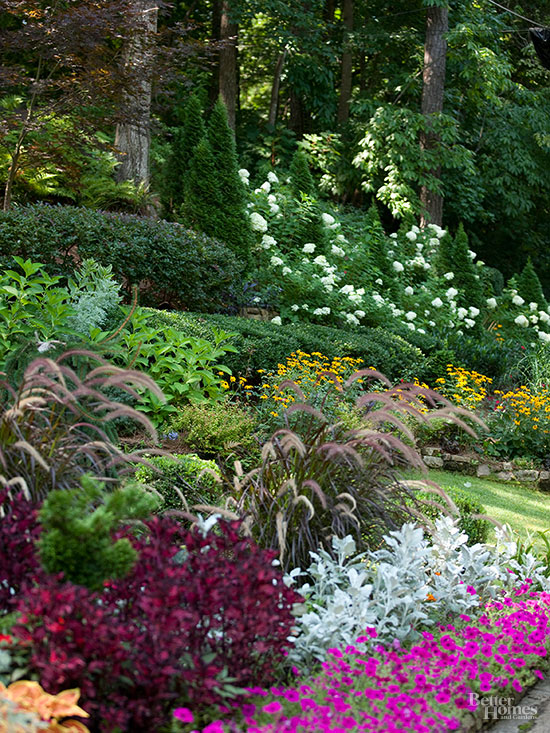
Top-dress established beds with 1–2 inches of compost each season. It breaks down, improving structure and fertility, perking up perennials. Especially helpful in cold-winter climates: apply as mulch after soil freezes. No compost? Use shredded leaves or well-rotted manure. Packaged 10-10-10 or fish emulsion also work.
To incorporate fertilizer around existing perennials:
Pruning Green Giant Arborvitae Hedge in Oregon: Thinning, Not Shearing
Perennial Bed Renovation with Roundup and Super Soil
Professional Carpet Cleaning in Singapore: How to Choose the Right Service
Bark Mulch: Nature's Way to Healthier Soil & Beautiful Landscapes
Why Petrol Chainsaws Are the Top Choice for Serious Garden Work
What Makes Good Garden Soil? Composition, Structure, and the Nose Test
Choosing the Best Bonsai Tree: Types, Sources, and Selection Tips
Improving Soil in an Established Perennial Garden
Starting a New Garden on Long Island’s South Shore: Zone 7 Tips
Converting Lawn to Perennial Bed: Soil Preparation Formula
Improving Soil with Green Manures and Cover Crops
Best Mosquito Repellents & Control Strategies for Your Backyard
Best Time to Fertilize Hydrangeas, Azaleas, and Peonies
Improving Hard Soil in an Established Perennial Bed Without Starting Over
Copyright © www.100flowers.win Botanic Garden All Rights Reserved