



Great garden design rests on five core principles: balance, contrast, repetition, rhythm, and focal point. Master these and you'll create eye-catching, harmonious outdoor spaces.
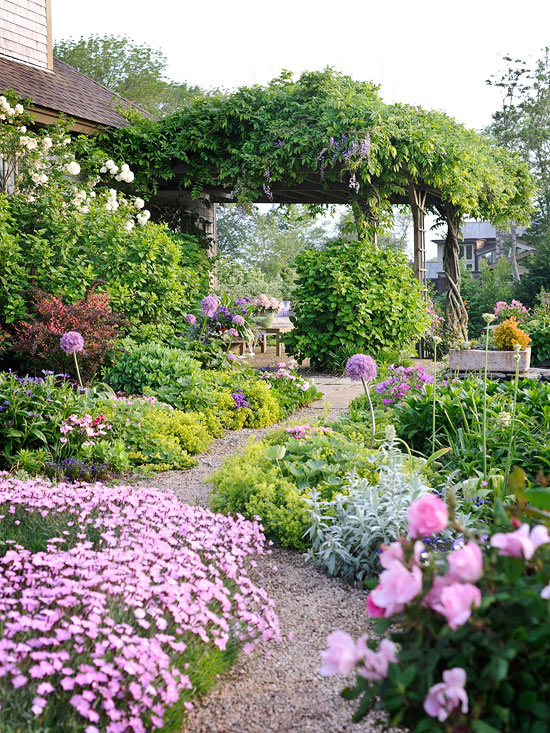
Visual weight—tall/square vs. billowing/round—should be evenly distributed across a central axis. A 36-inch false indigo on one side balances a tuteur with vine or paired smaller plants (aster, lady's mantle) on the other. Aim for pleasing equilibrium, not rigid symmetry.
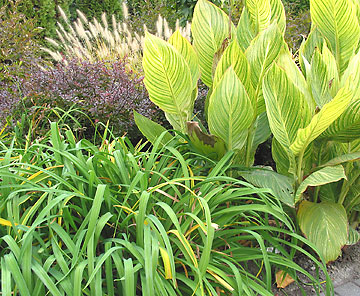
Mix plants with different textures, heights, forms, and colors. Daylily, ornamental grass, and sedge lack contrast (all grass-like). Replace sedge with upright sedum and add lady's mantle for seasonal drama. Hardscape (steel trellis, stone bench) adds texture. Balance contrast with repetition to avoid chaos.
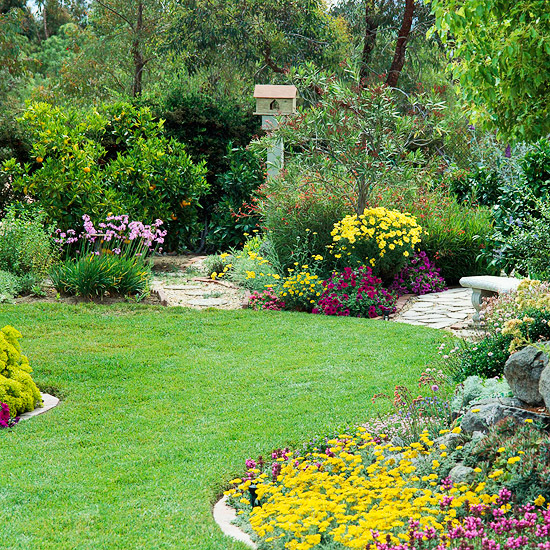
Repeating plants, colors, textures, or forms ties separate garden areas together. Yellow blooms connecting beds is a strong motif. Hardscape materials can also create repetition.
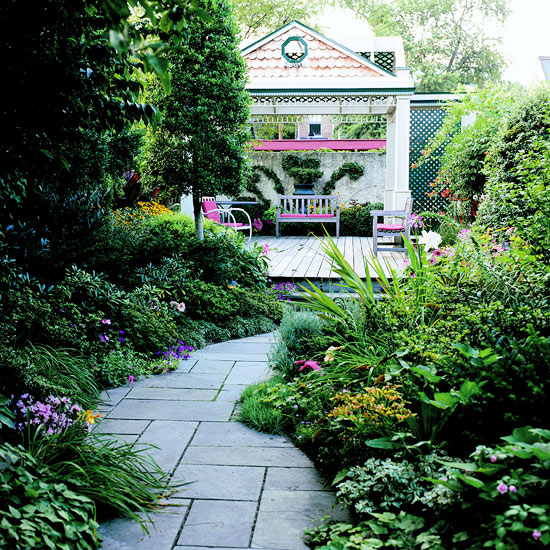
Rhythm guides the eye through the garden. Arrange plants tall-to-short, use swaying grasses, interrupt low beds with tall accents, or add curved paths that invite exploration.
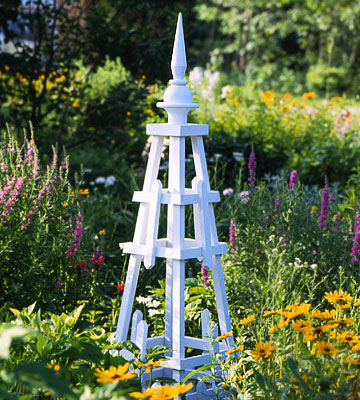
The first place the eye lands. Can be a plant (with multi-season interest) or structure (arbor, shed). Design the rest of the garden in relation to it—draw imaginary lines through the focal point to place supporting elements along those axes.
Landscape Design Fundamentals: Principles, Process, and Professional Insights
The Ten Principles of Good Garden & Landscape Design
Garden Design London: From Concept to Creation Across the Capital
Revitalize Your Landscape for Fall: Simple Steps for a Fresh Autumn Garden
Cottage Garden Landscape Design: Romantic Abundance with Strategic Structure
Garden Design Principles: Create a Garden That Works for You
Gazebo and Flower Bed Balance: Design Principles for Large Property
Garden Design Essentials: Site Analysis, Layout & Plant Selection
Small Garden Landscape Design: Big Impact in Limited Space
Japanese Garden Design: Telling Stories Through Symbolic Landscapes
Small Garden Design: Maximizing Beauty in Minimal Space
Landscape Design for Beginners: Simple Principles for a Beautiful Yard
Garden Railway Design: Build a Miniature World for Model Trains
Copyright © www.100flowers.win Botanic Garden All Rights Reserved