


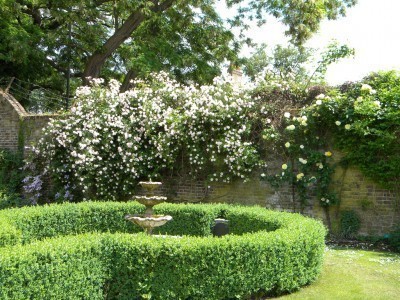
Fragrant Earl Grey tea among blooming roses, lounging on a hidden garden bench—these scenes capture the timeless charm of the English garden. Loved worldwide, this style blends romance, structure, and abundance. Here's how to bring a touch of England to your own backyard.
The classic English garden dates back to the first century A.D., when Roman conquerors introduced symmetrical gravel walks, clipped hedges, open lawns, and kitchen gardens. In the Middle Ages, these "outdoor rooms" enclosed by tall hedges became defining features, often with raised flower beds near the house while surrounding land hosted cattle or deer. Over centuries, the style evolved, but core characteristics remain replicable today.
Whether you have an acre or a few square feet, these elements create an English garden feel:
Shapes define the English garden. Medieval designs favored rectangles and squares; modern styles prefer soft curves and winding paths. Choose what suits your taste and property. A square garden room bordered by flowers and herbs offers formality; curving beds filled with Asiatic lilies and lupines create mystery.
Add structure with topiary (cones, pyramids, spirals), concrete statues, birdhouses, or ornaments. A circular garden benefits from a central birdbath; straight lines pair well with pyramid topiaries at entrances.
However you interpret it, you'll be carrying on a centuries-old tradition. And don't forget the croquet set!
Building a Basic Herb Garden: Simple Steps for Fresh Flavor Anywhere
Garden Planning Basics: From Vision to Reality
Garden Design Principles: Creating Beautiful, Functional Outdoor Spaces
Building a Garden Shed: From Planning to Completion
Understanding Japanese Garden Design: Miniature Nature Through Elemental Composition
Garden Fitness: How Yard Work Burns Calories and Boosts Health
How Landscape Gardeners in Ascot Transform Outdoor Spaces
England's Cotswold Gardens: World-Class Horticultural Destinations in the South West
Designing a Multi-Purpose Garden: Beauty, Function, and Outdoor Living
Design a Stunning Flower Garden: Perennials, Annuals & Bulbs for Year-Round Color
Brass Garden Fountains: Timeless Elegance for Pond & Pool Settings
12 Essential Elements of Provence Garden Style
English Landscape Gardens: Creating Parklike Serenity at Any Scale
Copyright © www.100flowers.win Botanic Garden All Rights Reserved